





Are grounding mats worth it? Australian customer reviews and real-world insights
Grounding mats, sometimes called earthing mats, are conductive pads you place under your feet, on a desk, or on your bed to reconnect to the Earth's electrical potential indoors. Many Australians search for grounding mat reviews because they're looking for natural ways to ease sleep problems, reduce daily stress and support recovery from aches without relying on medication. This article brings together customer feedback and practical tips so you can answer the simple question: Do grounding mats work for real people in Australia? We'll cover what grounding mats are and how they work, common customer-reported outcomes, the main benefits people notice, how to pick the right mat for Australian homes, practical setup tips, and what Terra Wellness customers have said about their grounding accessories. Throughout, the emphasis is on real user experience and clear guidance so you can decide whether a grounding mat fits your wellness routine.
What are grounding mats, and how do they work?
A grounding mat is a conductive surface that gives your skin a low-resistance path to the Earth's electrical potential. In practice, a mat has a conductive layer and a grounding cord that plugs into a grounded outlet or building grounding point; when you touch or lie on the mat, your body can share charge with the earth. Some users report this exchange helps neutralise free radicals and calms nervous system activity.
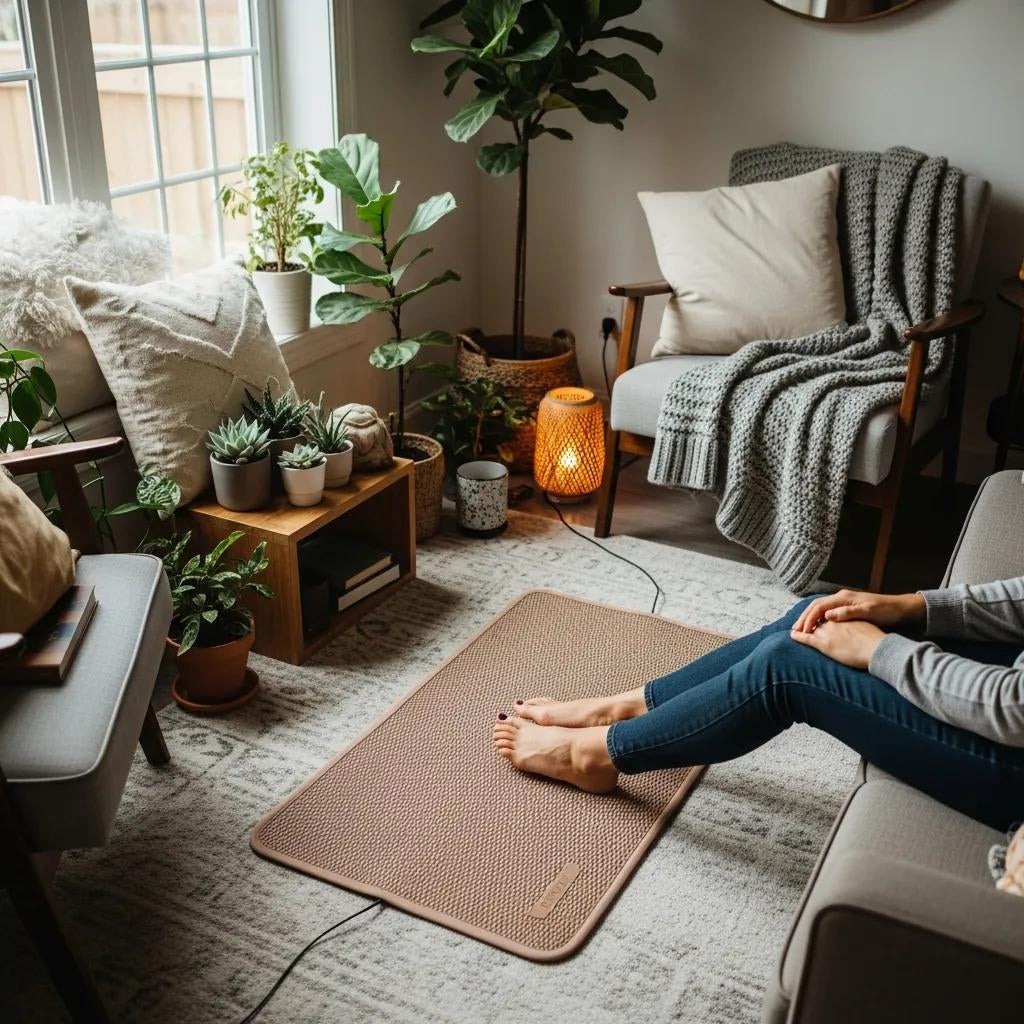
People use mats under their feet at a desk, draped over a pillow, or placed on a bed to mimic the effect of being barefoot outdoors while staying inside. Advocates call the practice earthing or grounding. While the exact science is still being explored, many customers describe calmer nerves and better sleep after consistent use. Knowing how a mat is supposed to work makes it easier to set sensible expectations and run a personal trial.
How does earthing connect you to the Earth's energy?
Earthing links your body to the Earth's electrical potential through a conductive interface that lets electrons move between you and the ground. Proponents say this can reduce oxidative stress and help balance the autonomic nervous system. Think of it like plugging into a common reference point: it's believed to help balance electrical potential in your body, which some suggest could help with inflammation. Sceptics point to placebo effects, yet many customer stories describe deeper sleep and less soreness, suggesting both physiological and perceptual influences. Simple at-home checks — like tracking sleep quality or soreness after nightly use — are often how people measure whether grounding helps them personally. If “plugging in” is a useful mental model, the next question is whether customers consistently notice benefits in everyday life.
Do grounding mats really work? Australian customer feedback and experiences

Customer feedback from Australia paints a balanced picture: many users report noticeable changes, while some see little or no difference. Common themes are improved sleep, reduced daytime tension and milder post-activity aches, but results vary with individual biology, how consistently the mat is used, and expectations. People typically report sleep improvements after days to a few weeks, while changes in chronic pain often take weeks to months. Because results vary, customers recommend a structured personal trial — consistent placement, a reliable ground connection and tracking sleep or pain — to see if a mat works for you. Below, we look closely at the benefits Australians most often mention and the timelines they describe.
What benefits are Australian customers reporting?
Australian users often report several repeatable outcomes: quicker sleep onset and more continuous sleep, reduced musculoskeletal soreness, and lower subjective stress or anxiety after regular use. Many say sleep feels deeper within one to three weeks of nightly use; reductions in inflammation-like soreness tend to appear after two to eight weeks, depending on the condition and other treatments used. Changes in energy and mood are less consistent but still commonly mentioned — things like “feeling calmer during the day” or “recovering faster after exercise.” Not everyone sees benefits: poor grounding connection, inconsistent use or strong expectations can influence results. Given this mix of responses, the next section summarises the main benefits customers report and the typical evidence patterns attached to each.
What are the key health benefits of grounding mats?
Customer reports most often focus on four benefit areas: better sleep, reduced pain or inflammation, lower stress and anxiety, and quicker recovery after exercise. Users explain these effects with simple mechanistic language — electron transfer, lower oxidative stress and a calmer autonomic balance — while understanding that individual experiences can vary. Laying out reported benefit, the typical change people notice, and the usual timeframe helps set realistic expectations for a trial.
Many people believe grounding connects your body to the Earth's natural electrical charge, which they say can help with things like reducing inflammation, speeding up recovery, and lowering stress. It's seen as a natural, gentle way to support your wellbeing. Grounding sheets and mats make it easy to bring these earthing benefits into your home. While everyone's experience is unique, hearing from others can help you decide if it's worth a try.
Different customers report different timelines and effect sizes; comparing these accounts helps set realistic expectations before you buy.
| Reported Benefit | Typical Reported Change | Typical Timeframe |
|---|---|---|
| Sleep quality | Faster sleep onset and deeper continuity | 1–3 weeks of nightly use |
| Inflammation/pain | Lowered soreness and stiffness, especially after activity | 2–8 weeks with consistent use |
| Stress and mood | Reduced baseline tension and quicker relaxation responses | Days to weeks, variable |
| Recovery | Quicker perceived muscle recovery after exercise | 1–4 weeks with post-workout use |
This table shows how customer outcomes cluster and the timelines people commonly report. Overall, sleep and relaxation changes tend to appear earlier, while chronic pain and recovery effects often require longer, steady use. Many readers next want to know how grounding mats can specifically support sleep — we address that below.
How do grounding mats improve sleep quality?
Customers who notice sleep improvements typically report falling asleep faster, waking less during the night and feeling more refreshed in the morning. Many link these changes to a calmer nervous system and less pre-sleep rumination. Advocates describe grounding as a way to shift autonomic balance from sympathetic arousal toward parasympathetic rest, and some suggest it might even help balance your body's natural rhythms. Practical tips from people who saw benefits include placing the mat under the sheet with some skin contact, keeping a consistent bedtime routine, and combining grounding with good sleep hygiene. Grounding isn't a cure-all — people with complex sleep disorders will usually need a broader approach — but a two-to-eight-week nightly trial is a sensible period to judge personal effectiveness.
Interest in natural sleep aids has driven many to try grounding sheets, which are made to incorporate earthing benefits into everyday bedding.
Grounding sheets are designed to look and feel like regular bedding, but they include special conductive fibres that connect you to the Earth's energy. Many people use them to help with better sleep, quicker recovery, and less everyday stress – it's a simple way to try earthing benefits while you snooze. While everyone's experience is different, lots of users report feeling more rested and less tense when they use grounding consistently as part of their nightly routine.
How to choose the best grounding mat in Australia?
Picking a grounding mat in Australia means checking material conductivity, size and placement options, connector quality, and everyday durability. Match the product to how you plan to use it — a compact mat works well for a desk, while a larger sleep mat or grounding sheet suits beds. It's important to test the conductivity and confirm the connector works with Australian grounded outlets or a known grounding point. A low-resistance connection and a sturdy cord are practical must-haves. The checklist below covers the primary factors customers should weigh before buying.
- Material and conductivity: Choose a mat with a clearly described conductive layer and low electrical resistance.
- Size and placement: Pick a size that fits your intended contact area (desk, feet or bed) and is easy to position.
- Connector and cord quality: Look for a robust cord and secure plug that fit Australian grounded outlets.
- Durability and cleaning: Prefer mats with a resilient backing and surfaces that tolerate light cleaning and daily use.
These checklist points help buyers prioritise features for their use case. The table below breaks these items down so you can compare practical trade-offs when shopping.
| Feature | Why it matters | What to look for |
|---|---|---|
| Conductive surface | Determines how efficiently electrons transfer | Evenly distributed conductive layer and documented resistance values |
| Size/dimensions | Affects the contact area and placement flexibility | Sleep-size options for beds, compact sizes for desks |
| Grounding cord quality | Ensures a reliable earth connection | Thick insulation, secure connector and strain relief |
| Backing/material finish | Influences durability and cleaning | Water-resistant backing and wipe-clean surface |
Use these practical features to narrow choices. Once you've shortlisted options, many buyers want a neutral comparison between brands, which we cover next with a short description of Terra Wellness's offering.
What features should you look for in a grounding mat?
When comparing products, focus on the conductive material, connector robustness, size options and ease of cleaning. Silver- or carbon-infused fabrics are common because they balance conductivity with comfort; a non-slip backing helps the mat stay put on a bed or desk. Connector quality matters — brittle plugs or thin cords can cause intermittent grounding — so prefer secure fittings and products that offer replacement cords where possible. If you plan to use the mat on bare skin, look for breathable, comfortable materials and clear manufacturer guidance on testing your ground connection at home. Practical durability and simple testing instructions tend to predict long-term satisfaction.
How does the Terra Wellness grounding mat compare to other options?
Terra Wellness is an Australian e-commerce brand focused on natural health and wellbeing. Their range includes grounding mats and sheets alongside hydration and sleep-support products. Terra Wellness positions grounding accessories as tools to reconnect with the Earth's calming energy and support presence and balance; customer testimonials are commonly presented as evidence of benefit.
Against the checklist above, Terra Wellness grounding accessories generally match core buyer priorities: they target sleep and daily calm with purpose-built materials and grounding cords, and customer feedback often praises the feel and reported outcomes. When comparing Terra Wellness to other brands, check the specific conductive material, available sizes for bed or desk use, and whether the product includes clear grounding and testing instructions. Match the product to your priority — sleep-size for beds, portability for travel or desk use — and use customer-reported satisfaction as one input alongside specs and testing guidance.
How should you use grounding mats for optimal results?
How you use a grounding mat depends on your goal: sleep support, daytime stress relief or recovery after exercise. Each has a slightly different approach. Across use cases, consistency and direct skin contact are common themes: regular nightly use tends to deliver clearer sleep effects, while shorter targeted daytime sessions can help reduce desk-related tension or leg fatigue. Placement and session length vary, but basic rules apply — aim for some skin contact, confirm a secure ground connection and start with shorter sessions while tracking any changes. The table below summarises suggested approaches by use case to help you plan a realistic routine.
| Use case | Recommended approach | Typical duration/frequency |
|---|---|---|
| Sleep mat | Place the mat under the sheet with some skin contact near the torso or feet | Nightly, full-sleep duration (start with a 2–8 week trial) |
| Desk/office | Position a mat under your feet or forearms while seated | 30–120 minutes daily, increasing gradually |
| Travel / short-term | Use a portable mat on a hotel bed or chair with direct contact | As needed — aim for regular sessions when possible |
This table helps you choose a routine that fits your goals. Below are practical daily tips to implement those routines safely and effectively.
What are the best practices for daily grounding mat use?

Experienced users recommend consistency, comfortable placement and straightforward safety checks to make sure the mat is working. If you're new, start with 30–60 minutes a day and build up to nightly use for sleep goals, noting any changes in sleep, pain or mood. Confirm the ground connection with a multimeter or the manufacturer's continuity check, and inspect cords and connectors for wear. Combine grounding with healthy habits — a consistent sleep schedule, reduced evening screen time and gentle movement — to support clearer results. Tracking activity and symptoms will help you decide whether grounding is delivering meaningful benefits for you.
- Begin small and build up: Start with short sessions and increase duration as you monitor effects.
- Prioritise skin contact: Bare skin contact gives the strongest conductive coupling compared with thick clothing barriers.
- Check the ground connection: Inspect cords and perform a continuity test to confirm low-resistance contact.
- Combine with lifestyle habits: Use grounding alongside consistent sleep routines and stress-reduction practices for best results.
Is it safe to sleep on a grounding mat?
For most healthy people, sleeping on a grounding mat is considered safe when you use the mat and cord as instructed and keep them in good condition. Inspect the cord and connector before use and avoid mats with visible damage or compromised insulation — electrical safety depends on maintaining an intact, low-resistance path and preventing damaged wiring. If you have implanted medical devices or complex electrical medical equipment, check with your healthcare provider before trying grounding. A simple home continuity test and following the manufacturer's guidance will reduce the most common risks. Most customer issues relate to faulty connectors or setup mistakes rather than intrinsic dangers of grounding; with basic precautions, many users report comfortable, uneventful nightly use.
What do Terra Wellness customers say? Real Australian testimonials and reviews
Terra Wellness customers in Australia typically describe grounding accessories as one part of a wider approach to sleep and daytime calm. Reviews frequently mention clearer sleep, less tension after long workdays and improved recovery when grounding is combined with rest and movement. Testimonials emphasise consistency: people who keep nightly routines are more likely to report noticeable changes, while irregular users often find benefits unclear. Remember, these accounts are anecdotal and individual responses vary — use them as directional input and run your own short trial to confirm effects for you.
How have grounding mats helped with stress and inflammation?
Customers who report less stress often describe feeling calmer in the evenings and having fewer intrusive thoughts before bed, which they link to grounding sessions. For inflammation-like soreness, many notice reduced morning stiffness or faster post-exercise comfort after several weeks of steady use. The common explanation is that grounding may influence autonomic balance and oxidative processes, which could relate to subjective pain and stress relief; however, these reports are based on personal experiences, not medical claims. Variability in outcomes suggests grounding is best viewed as one supportive practice among sleep hygiene, movement and recovery strategies.
Where can you buy Terra Wellness grounding mats in Australia?
Terra Wellness is an Australian e-commerce brand focused on natural health and wellbeing. Their range includes grounding mats and sheets, plus hydration and sleep-support products. The brand message centres on reconnecting with the Earth's calming energy to promote presence and balance, and customer testimonials are commonly shown as examples of those effects.
If you'd like to try Terra Wellness grounding accessories, look for official product listings or authorised resellers to confirm stock and read product-specific reviews. When buying, prioritise the checklist above — conductive material, size, connector quality and clear testing guidance — and consider starting with one sleep or desk mat as a focused trial. Also, check return and support policies and read recent Australian reviews to ensure consistent quality and fit for your needs. These steps help turn general customer insight into a reasoned purchase while keeping expectations realistic.
Terra Wellness's focus on grounding mats and sheets is a practical example of how you can move from learning about grounding to testing a product that suits your intended use.