





Ice Baths for Recovery: A Practical Guide to Cold Water Therapy and Whole‑body Wellness
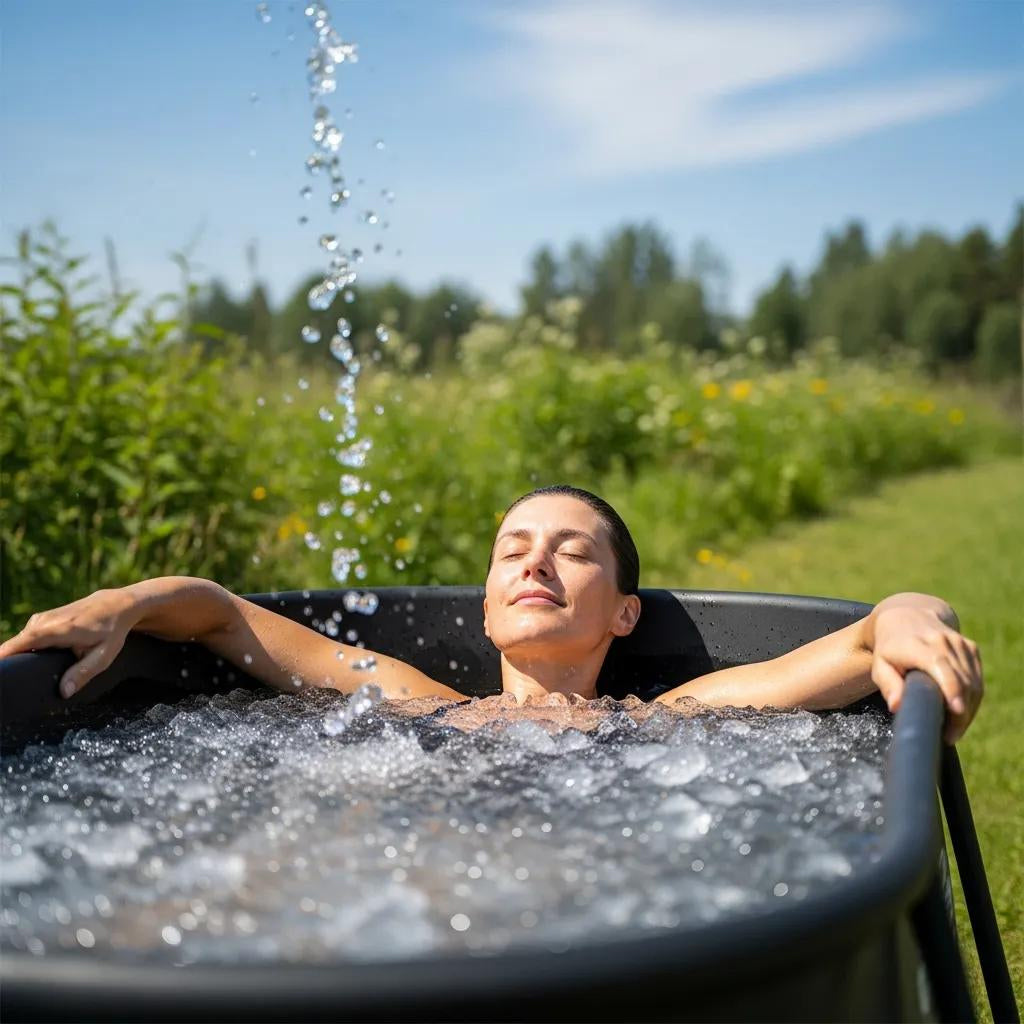
Ice baths — also called cold water immersion — have become a go‑to for athletes and everyday wellness seekers who want faster recovery and clearer focus. This guide explains the main benefits for muscles and mind, shows how cold therapy affects circulation and inflammation, and gives simple setup and safety tips for portable ice baths. You’ll also learn what sets the Terra Wellness Portable Ice Bath apart and how to fold cold plunges into a balanced wellness routine.
What are the key physical benefits of ice baths for muscle recovery?
Ice baths can help ease muscle soreness, support circulation and manage inflammation.[1] Knowing how each effect works makes it easier to use cold therapy in your training or recovery plan.
How do ice baths reduce muscle soreness and inflammation?
Cold immersion prompts blood vessels to constrict, which helps limit swelling and tissue stress. When you warm up again, those vessels dilate and fresh, oxygen‑rich blood floods the muscles, bringing nutrients that support repair.[2] Many athletes find that ice baths help reduce delayed onset muscle soreness (DOMS) and support a quicker return of strength and power, though individual experiences can vary.[3]
In what ways do ice baths improve circulation and metabolic waste removal?
Ice baths encourage an alternating pattern of vasoconstriction and vasodilation. The initial cold narrows blood vessels and reduces blood flow to the skin and extremities; once you rewarm, vessels open and circulation increases. That surge of fresh blood can help clear metabolic by‑products like lactic acid and deliver nutrients that support recovery — a useful effect for athletes aiming to optimise performance.[4]
How does cold water therapy enhance mental health and well‑being?
Beyond the physical effects, cold immersion can positively influence mood, stress and sleep. Many people find the practice grounding: the immediate shock and subsequent calm can reset your nervous system and leave you feeling clearer and more resilient.
Can ice baths reduce stress and improve sleep quality?
Cold exposure may lower cortisol, the body's primary stress hormone, and trigger endorphin release — small biological nudges that can lift mood and reduce perceived stress.[5] Many users also report deeper sleep after regular cold sessions, though individual responses can vary.
What are the effects of ice baths on mood and mental clarity?
Cold immersion can stimulate neurotransmitters such as norepinephrine (linked to alertness) and may influence serotonin pathways involved in mood.[6] The result is often a quick lift in alertness and focus, plus improved stress tolerance when practised regularly.
How to set up and use a portable ice bath for optimal recovery?
Using a portable ice bath is straightforward with a little preparation. Follow simple setup and safety steps to make the most of each session while keeping risk low.
What are the step‑by‑step instructions for the portable cold plunge setup?
- Choose a suitable location: place the tub on a flat, stable surface with enough room to get in and out safely.
- Gather materials: a portable ice bath tub, ice packs or ice cubes, and cold water.
- Fill the tub: add cold water to a depth that covers the muscle groups you want to target.
- Add ice: use ice packs or cubes to bring the water to around 10–15°C (50–59°F).
- Immerse: enter slowly and let your body acclimate — ease into the timing and depth over several sessions.
What safety guidelines and best practices should beginners follow?
- Limit duration: start with 5–10 minutes and increase gradually as you adapt.
- Monitor temperature: keep the water in a safe range to reduce hypothermia risk.
- Listen to your body: exit immediately if you feel intense pain, dizziness or numbness.
- Stay hydrated: drink water before and after sessions to support recovery.
What makes the Terra Wellness Portable Ice Bath ideal for home recovery?
The Terra Wellness Portable Ice Bath is built for everyday use at home — rugged, easy to set up and designed to keep water cold longer. It’s meant to be a practical recovery tool you can rely on, whether you’re recovering from a hard workout or adding cold exposure to your wellness routine.
Which features and benefits differentiate the Terra Wellness Portable Ice Bath?
Terra Wellness focuses on durable materials, thoughtful insulation and user‑friendly design. The tub holds cold temperatures well, packs down for storage or travel, and offers a roomy interior so users of different sizes can sit comfortably during a session.
How do customer reviews reflect their effectiveness for recovery?
Customer feedback often highlights noticeable drops in post‑exercise soreness and easier recovery, plus praise for the tub’s straightforward setup and comfortable size. Many users report that regular sessions become a reliable part of their recovery routine.
How can ice baths be integrated into a holistic wellness routine?
Cold plunges work well alongside other recovery practices. When combined mindfully with grounding, saunas or rest strategies, ice baths can be part of a balanced approach that supports both physical repair and mental calm.
What are the benefits of combining ice baths with grounding and home saunas?
Pairing cold immersion with grounding (direct contact with the earth) or sauna sessions can create a complementary cycle of stimulation and relaxation. Grounding may help reduce inflammation and promote calm; saunas encourage relaxation and circulation — together they can enhance the overall recovery experience.
How does this integration enhance overall recovery and well‑being?
Using cold exposure alongside grounding and sauna work addresses different aspects of recovery — circulation, inflammation control and nervous system balance. The combined approach supports physical restoration and mental clarity, helping you feel more present and resilient day to day.
| Benefit | Mechanism | Impact Level |
|---|---|---|
| Muscle soreness reduction | Cold exposure reduces inflammation and swelling | Moderate |
| Improved circulation | Alternating vasoconstriction and vasodilation boosts blood flow | Moderate |
| Stress reduction | May lower cortisol and support relaxation | Medium |
This table summarises how ice baths can support recovery through different physiological pathways. Individual responses vary, so tailor your approach to what feels best for you.
Used thoughtfully, ice baths are a useful, low‑tech tool for many people’s recovery routines. By understanding the physical and mental benefits, you can add cold water therapy in a way that supports sustainable wellness and performance.
Frequently asked questions
Are there any risks associated with ice baths?
Yes — cold water immersion has benefits but also risks. Extended exposure can lead to hypothermia, frostbite or cardiovascular strain, especially for people with underlying health issues. Start with short sessions, monitor temperature and duration, and check with a healthcare professional before beginning cold therapy if you have heart or circulation concerns.
How often should I take ice baths for optimal recovery?
Frequency depends on your goals and training load. Athletes often use ice baths 1–3 times a week after intense sessions or competitions. For general wellness, once a week can be sufficient. Listen to your body and avoid overuse — too much cold exposure can blunt training adaptations or lead to diminishing returns.
Can ice baths be beneficial for non‑athletes?
Absolutely. Non‑athletes can use ice baths to ease everyday muscle soreness, reduce stress and boost mood. People with physically demanding jobs or long periods of sitting may find cold immersion helps reduce tension and improve recovery. As always, individual responses differ.
What is the ideal temperature for an ice bath?
The commonly recommended range is 10–15°C (50–59°F). This is cold enough to deliver benefits while remaining manageable for most people. Use a thermometer and adjust to your comfort and tolerance — beginners should start at the warmer end of the range.
How long should I stay in an ice bath?
Beginners should aim for 5–10 minutes. As you adapt, sessions of up to 15–20 minutes are common for experienced users. Exit immediately if you experience intense pain, numbness, dizziness or other concerning symptoms. Prioritise safety over duration.
Can ice baths help with chronic pain conditions?
Ice baths can offer temporary relief for some chronic pain conditions by reducing inflammation and numbing pain signals. Responses are individual, and cold therapy isn’t a one‑size‑fits‑all treatment. Consult a healthcare professional before using ice baths to manage chronic conditions such as arthritis or fibromyalgia.