





Titanium Cutting Boards for Sustainable Kitchens — Hygienic, Durable and Knife-Friendly
Titanium cutting boards offer a non‑porous, long‑lasting surface that makes food prep cleaner and more durable than many ordinary boards. We'll show you why titanium keeps things so hygienic, how it avoids microplastic shedding, and how its strength means fewer replacements and less waste. We compare titanium with wood, plastic and glass, explain how it behaves with knives, and share simple care tips you can use at home. You'll find quality titanium cutting boards in Australia that offer all these practical benefits. Read on to learn what makes titanium sanitary, how it helps reduce kitchen waste, how it interacts with blades, and how to care for it so it lasts.
Why Titanium Cutting Boards Are a Smart Choice for Sustainable Cooking
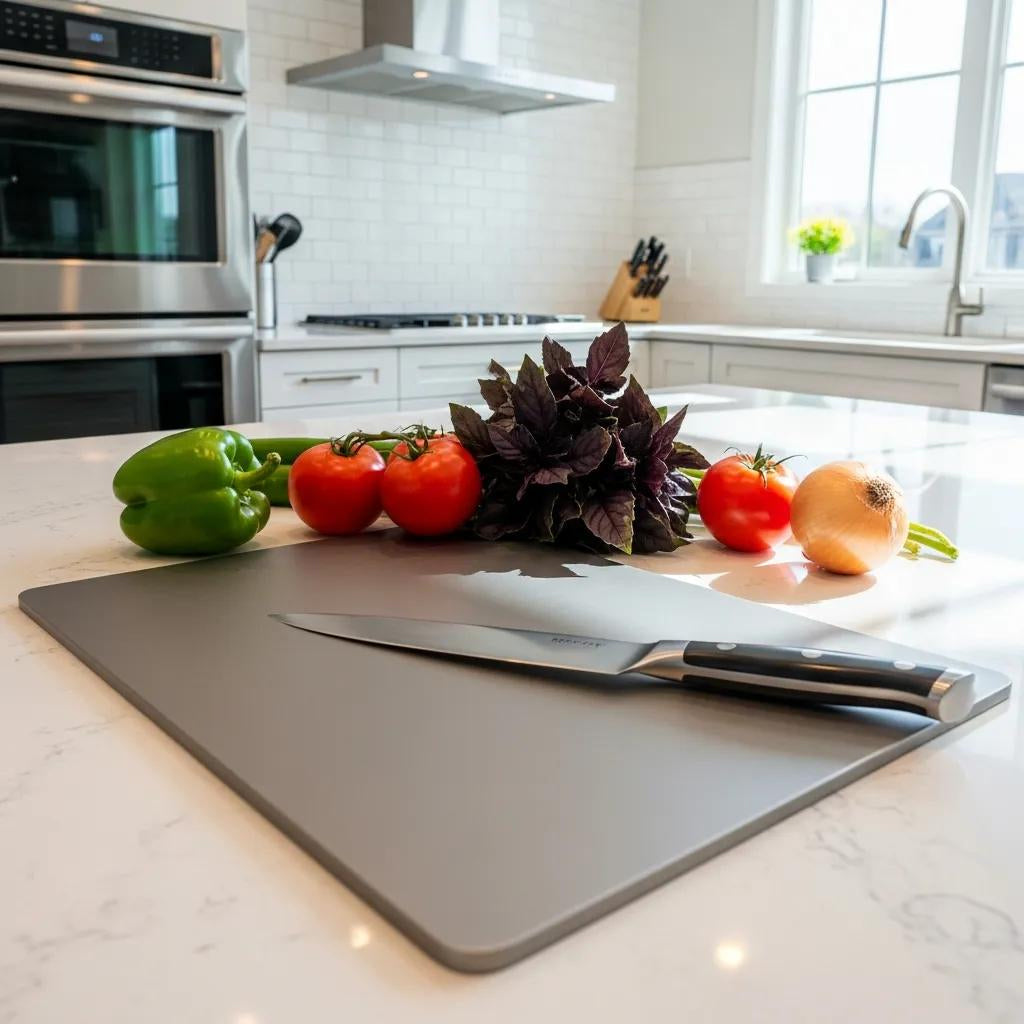
Titanium cutting boards combine a truly non‑porous surface, chemical stability and strong construction — a mix that lowers contamination risk and means you replace the board far less often. The metal won’t soak up juices or trapped food particles, so bacteria have fewer hiding places and sanitising works more reliably than on porous surfaces. Because titanium isn’t made from polymers, it doesn’t shed microplastics, avoiding a common issue with many plastic boards. In short: fewer replacements, less landfill, and a consistently clean prep surface that helps preserve flavour and food safety.
Titanium brings four practical benefits to sustainable homes:
- Cleaner prep — a non‑porous surface that limits places for bacteria to hide.
- Built to last — long service life that reduces how often you replace it.
- Microplastic‑free — a metal surface that won’t shed polymer particles into food.
- Knife‑friendly — engineered finishes that balance durability with blade care.
These points naturally lead us to what makes titanium so good for hygiene and why it's a smart choice for low-waste, high-safety kitchenware.
How Titanium Helps Keep Your Prep Hygienic

Titanium supports better hygiene because it’s non‑porous: moisture, juices and tiny food particles stay on the surface instead of seeping into the board. That makes cleaning and sanitising more effective — detergents and sanitising agents can reach microbes where they are, lowering cross‑contamination risk between tasks. In practice, this means it’s easier to keep separate zones for raw and cooked foods than with porous woods, which can trap juices. Knowing how surfaces behave also explains why titanium doesn’t contribute microplastics to your food.
Is Titanium Non‑Toxic and Free of Microplastics?
Titanium is a metal element, not a polymer, so it contains no polymer additives and won’t fragment into microplastics during normal kitchen use. It doesn't react with food, so there's less risk of unwanted compounds leaching into your meals, and it's not made with petroleum-based binders that can break down. If you're looking for safe food-contact materials, titanium's stability helps keep your food safe and supports long-term environmental goals by avoiding microplastic release into food or waste. This stability is a key difference when you compare it to other board materials that can degrade over time.
How Titanium Stacks Up Against Wood, Plastic and Glass
Here’s a practical look at how titanium performs across hygiene, durability, blade impact and sustainability compared with common alternatives. Titanium scores highly for hygiene because it’s non‑porous and easy to sanitise. Wood is loved for its natural look and self‑healing grain, but it is more porous. Plastic is light and affordable, but can stain, retain odours and shed particles over time. Glass is very hygienic, but it is harsh on knife edges. These trade‑offs matter whether you cook every day or build a long‑term, sustainable setup.
The table below summarises key material attributes and what they mean in practice.
| Material | Characteristic | Practical Implication |
|---|---|---|
| Titanium | Non-porous, inert | Easier to sanitise; low risk of microplastics; long service life |
| Wood | Porous, self-healing | Warm look and knife‑friendly, but needs regular care and sealing |
| Plastic | Lightweight, prone to abrasion | Cheap and handy, but can stain, hold odours and shed particles |
| Glass | Non-porous, very hard | Sanitar, but accelerates knife dulling and can chip |
Benefits of Titanium Compared with Wood, Plastic and Glass
Titanium blends hygiene and longevity in ways that address common downsides of other boards. Compared with wood, it avoids deep cuts that can trap juices and bacteria, cutting maintenance needs. Compared with plastic, it removes worries about microplastic shedding and persistent stains. Versus glass, it gives a hygienic surface without the extreme hardness that rapidly dulls blades. These contrasts help you choose the surface that matches your priorities for cleanliness, knife care and environmental impact.
Quick pros and cons to keep in mind:
- Titanium: Hygienic, durable, minimal contamination risk.
- Wood: Warm, forgiving for knives, but porous and care‑heavy.
- Plastic: Lightweight and affordable, but it can hold smells and shed particles.
- Glass: Very sanitary but abrasive to blades.
Next, we look at how titanium’s long life translates into lower environmental cost over time.
How Titanium’s Durability Cuts Kitchen Waste
Titanium resists warping, cracking and surface breakdown, so a single board can stay functional much longer than many wooden or plastic alternatives. A longer useful life spreads the manufacturing footprint over more years and reduces how often you throw a board away, which lowers cumulative material use and landfill. For households aiming to reduce waste, investing in a robust, long‑lived surface can be a meaningful choice.
Thinking about how long these boards last really highlights why they're a sustainable choice. This naturally leads us to a common question: how do they fare with your knives?
Are Titanium Cutting Boards Gentle on Knives?

Yes — titanium is generally kinder to blades than very hard surfaces like glass. Its relative hardness and the way manufacturers finish the surface mean less wear on your blades compared to glass or ceramic. Titanium's elasticity and smooth finish help reduce tiny scratches, so your knives hold their edge better with normal slicing and chopping. Technique still matters: avoid heavy lateral grinding and use clean slicing motions to minimise wear. Understanding how its hardness compares to other materials shows why titanium is a practical metal option for everyday kitchen use.
The table below shows relative hardness and likely effects on knives.
| Material | Hardness (relative) | Effect on Knives |
|---|---|---|
| Titanium | Moderate (softer than many knife steels) | Gentle on edges with normal use; low abrasive wear |
| Typical Knife Steels | Hard (higher than titanium) | Maintain edge while cutting; resilient to deformation |
| Glass/Ceramic | Very hard | Rapidly dulls blades; increases sharpening needs |
Will Titanium Dull My Knives Compared with Other Surfaces?
Generally, no — titanium usually doesn’t dull knives faster than common surfaces and often dulls them less quickly than glass or ceramic because it is relatively softer than hardened knife steels. Blade wear happens when a surface scratches or deforms the tiny points on an edge; titanium’s smoother contact reduces that effect during normal chopping and slicing. Simple habits — steady cutting technique, avoiding metal‑on‑metal grinding, and routine sharpening — will help preserve your knives regardless of board choice.
Why Titanium Is Easier on Knife Edges
Titanium’s moderate hardness, natural elasticity, and ability to be finished smoothly all reduce abrasive interaction with steel edges. The surface texture — whether polished or matte — changes how your knife makes contact, which can lower wear. Titanium also absorbs small impacts rather than creating tiny, sharp bits that could dull your blade. When manufacturers deliver a knife‑friendly finish, blade contact is primarily sliding and slicing rather than grinding, which helps preserve the edge. These material details help you choose the right board and adopt cutting habits that extend blade life.
Caring for Your Titanium Cutting Board
Cleaning and maintaining a titanium board is simple: wash with mild detergent, sanitise when needed, and store it properly to keep the finish and function. For everyday cleaning, use a soft cloth or non‑abrasive sponge with warm, soapy water, then rinse and dry to avoid water spots. Use food‑safe sanitisers or a diluted vinegar solution after high‑risk tasks, and keep the board away from damp or corrosive storage areas. These basic habits support hygiene and a long life, which makes titanium a sustainable choice.
Follow these step‑by‑step maintenance tips as a quick routine.
- Daily wash: Clean with warm water and a mild detergent using a soft cloth or sponge after each use.
- Rinse thoroughly: Remove all soap to avoid taste transfer and water marks.
- Sanitise occasionally: Use a food‑safe sanitiser or a diluted vinegar rinse after high‑risk tasks, then rinse.
- Dry and store: Wipe dry and store in a ventilated spot to prevent prolonged moisture exposure.
These steps help retain hygiene and performance. Below, we address common cleaning questions like dishwasher use.
Best Cleaning Practices for Titanium Boards
Keep cleaning simple and non‑abrasive. Use mild detergents and soft cloths to preserve the surface finish; avoid harsh scouring pads that can roughen the texture and increase tiny scratches over time. For routine disinfection, food‑safe sanitisers or a diluted vinegar solution are practical and effective when followed by a thorough rinse. Gentle, regular care avoids the need for aggressive cleaning and preserves the board’s hygienic, knife‑friendly surface.
Can I Put a Titanium Board in the Dishwasher?
Many titanium boards are described as dishwasher‑safe, but frequent high‑heat cycles and strong detergents can gradually affect the finish. Occasional dishwasher use is usually fine, but handwashing with mild detergent is the best way to preserve the board’s appearance over time. If you do use a dishwasher, choose a gentle cycle and avoid prolonged exposure to very alkaline detergents. Handwashing remains the conservative choice to keep both look and function at their best.
Frequently Asked Questions
1. How do titanium cutting boards compare in price to other materials?
Titanium cutting boards tend to be more expensive upfront than traditional options like wood or plastic. However, their durability and longevity can make them a cost-effective choice over time. Since they do not need to be replaced as frequently, the initial investment can be offset by the savings on replacements. Additionally, the hygiene benefits and reduced risk of contamination can lead to better food safety, which is invaluable in the long run.
2. Are there any specific brands of titanium cutting boards recommended?
While several brands offer titanium cutting boards, it's essential to look for those that prioritise quality and customer reviews. Brands like 'Titanium Chef' and 'EcoBoard' are known for their durable and hygienic products. Always check for certifications regarding food safety and sustainability to ensure you are making a responsible purchase. Researching user experiences can also help you find a board that meets your specific needs.
3. Can titanium cutting boards be used for all types of food preparation?
Yes, titanium cutting boards are versatile and suitable for all types of food preparation, including raw meats, vegetables, and fruits. Their non-porous surface prevents juices and bacteria from seeping in, making them ideal for handling various food types. However, it's always good practice to use separate boards for raw and cooked foods to further minimise cross-contamination risks, even with a hygienic surface like titanium.
4. How do I know if my titanium cutting board is of good quality?
To assess the quality of a titanium cutting board, look for features such as a smooth finish, weight, and thickness. A well-made board should feel sturdy and not flex easily. Additionally, check for any certifications regarding food safety and durability. Customer reviews and ratings can also provide insights into the board's performance over time. A reputable brand will often offer a warranty, which can be a good indicator of quality.
5. Are there any environmental concerns associated with titanium cutting boards?
Titanium is generally considered an environmentally friendly material due to its durability and resistance to degradation. Unlike plastic, it does not contribute to microplastic pollution. However, the mining and production processes for titanium can have environmental impacts. It's essential to choose boards from manufacturers that prioritise sustainable practices and responsible sourcing to minimise any negative effects on the environment.
6. Can I use metal utensils on a titanium cutting board?
While titanium cutting boards are designed to be knife-friendly, using metal utensils can still cause scratches over time. It's advisable to use wooden or silicone utensils to preserve the board's surface and maintain its knife-friendly properties. If you do use metal utensils, be gentle to avoid damaging the finish. Regular maintenance and care will help keep the board in optimal condition for longer.
7. What should I do if my titanium cutting board gets scratched?
If your titanium cutting board gets scratched, it’s usually not a cause for concern, as minor scratches do not significantly affect its performance. However, to maintain its appearance, you can gently buff the scratched area with a fine abrasive pad designed for metal surfaces. Avoid harsh chemicals or aggressive scrubbing, as these can worsen the scratches. Regular cleaning and proper care will help minimise the appearance of scratches over time.