






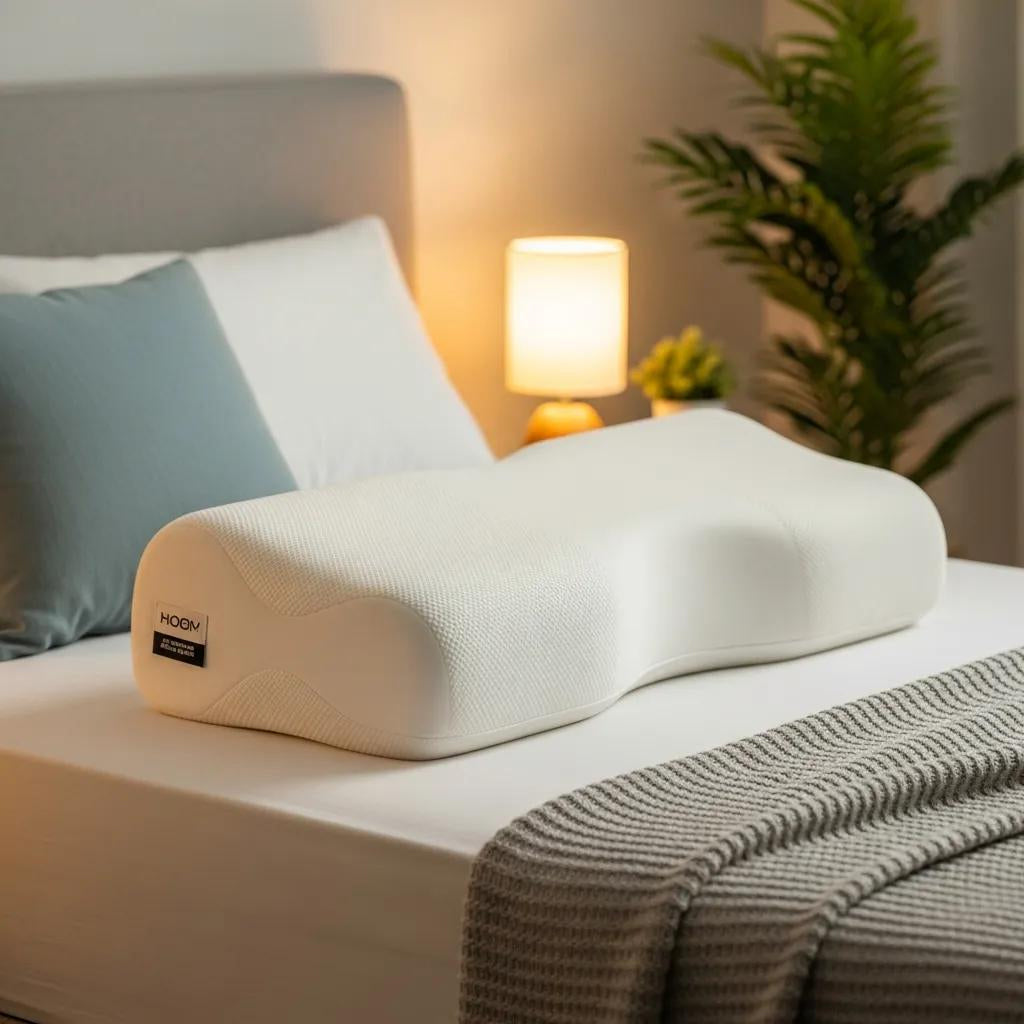
How Ergonomic Pillows Improve Sleep Comfort — Neck Pain Relief, Better Breathing and Spinal Alignment
Poor sleep and ongoing neck pain are common and drain energy, focus and long‑term musculoskeletal health. An ergonomic pillow is designed to support the cervical curve with targeted contours and supportive materials so your head and neck stay in neutral alignment through the night. In this guide, we'll explore how ergonomic pillows work, how they can reduce pressure and help with breathing, and offer practical advice for choosing and caring for a pillow that fits you perfectly. You’ll find the main benefits, how sleep position affects pillow choice, why the Terra Wellness Ergonomic Pillow 2.0 is a modern example, and step‑by‑step tips and maintenance advice to match a pillow to your sleep goals.
What Are the Key Benefits of Using an Ergonomic Pillow for Sleep Comfort?
An ergonomic pillow improves sleep by combining a contoured shape with materials that support and redistribute pressure, so the head and neck stay aligned and muscles can relax. In practice, the contour holds the cervical spine while a memory‑type core cushions contact points, which cuts down on nighttime movement and interruptions. Here are the main benefits and a quick look at how each one helps.
Ergonomic pillows deliver these primary benefits:
- Improved spinal alignment: Contoured support keeps the neck in a neutral curve throughout the night.
- Reduced neck pain: Targeted cervical support lowers muscle strain and joint stress in the upper spine.
- Pressure relief: Memory foam‑style cores spread load to reduce peak pressure on sensitive points.
- Fewer tosses and turns: Stable head positioning reduces movement that fragments sleep.
- Better breathing and less snoring: Correct head‑neck alignment can open the airway for some sleepers.
- Enhanced sleep quality: Less pain and fewer awakenings mean deeper, more restorative sleep.
- Improved daytime posture: Night‑time support helps lower muscle tension during the day.
Understanding these benefits helps you see why an ergonomic pillow can make such a difference. Let's dive a bit deeper into how they support your spine and posture.
How Do Ergonomic Pillows Enhance Spinal Alignment and Posture?

Ergonomic pillows cradle the head and support the neck so the cervical spine lines up with the thoracic column, avoiding excessive flexion or extension that stresses intervertebral joints. A contoured profile fills the shoulder gap for side sleepers and provides a neck cradle for back sleepers, keeping vertebrae stacked and pressure evenly spread. Maintaining that neutral curve reduces compensatory muscle tension and supports healthier muscle length‑tension relationships, which often shows up as improved daytime posture. Think of your neck like a delicate balance — even small changes in support can make a big difference. Consistent nighttime alignment helps reduce strain over time.
Now, let's see how these clever contours and loft choices can actually relieve neck and shoulder tension.
In What Ways Do Ergonomic Pillows Relieve Neck Pain and Shoulder Tension?
Ergonomic pillows cut neck pain by lowering the sustained muscle activity needed to hold the head in an unsupported position. The pillow’s contour and correct loft share weight across the head and neck and neutralise torque on the cervical joints. Memory‑style foam and contoured profiles reduce focal pressure on sensitive muscles so tissues can relax and recover during sleep. Correct positioning — having your neck sit in the cradle and your shoulder settle into the gap for side sleeping — prevents shoulder elevation and trapezius strain. For persistent or severe pain, use ergonomic support alongside speaking with a healthcare professional; for many people, better nightly support noticeably reduces morning soreness and stiffness.
This brings us to how different pillow designs can suit different sleepers.
How Do Ergonomic Pillows Improve Sleep Quality for Different Sleepers?
Ergonomic pillows improve sleep by matching loft, contour and firmness to the natural curves of side, back and stomach sleeping so the airway and cervical spine stay balanced. The key idea is position‑specific support: side sleepers need a higher loft to bridge shoulder width; back sleepers benefit from a neck cradle to support the natural spinal curve; stomach sleepers usually need a very low profile to reduce neck rotation. Below is a quick reference and guidance for each common sleep position.
Quick comparative guidance by sleeper type:
- Side sleepers — higher loft, medium‑firm support: Keeps the neck aligned with the spine and fills the shoulder gap.
- Back sleepers — medium loft, contoured neck cradle: Supports natural spinal curve and prevents chin‑tuck.
- Stomach sleepers — low loft, soft profile or avoid: Minimises rotation and reduces lumbar compensation.
It's all about finding the right balance of height and firmness for your unique sleep style. Let's look at those feature choices in more detail.
Which Ergonomic Pillow Features Suit Side, Back, and Stomach Sleepers?
Side sleepers benefit from higher loft and medium firmness, so the pillow fills the shoulder gap and keeps the head level with the torso, preventing lateral neck flexion. Back sleepers need moderate loft with a defined neck cradle to sustain the natural curve of the neck without forcing the chin forward; a softer head zone and firmer neck zone work well. Stomach sleepers generally require the lowest loft because excess height causes rotation and compresses lower cervical discs — a thin, soft profile helps, though many practitioners advise avoiding stomach sleeping when possible. A pillow with the right combination of height and zoned firmness turns ergonomic design into real comfort gains.
Even with these position‑specific tips, it’s important to remember that pillow height and individual anatomy both matter for finding the perfect fit.
Now, let's talk about memory foam and how it makes ergonomic pillows so comfortable and breathable.
How Does Memory Foam Material Contribute to Sleep Comfort and Breathability?

Memory foam adds comfort through its unique ability to mould and adapt: it conforms to your head and neck, spreads pressure, and slowly returns to shape, reducing peak loads on soft tissues. Breathability is improved with open‑cell foams, perforations or breathable covers so heat can escape — addressing the common complaint that memory foam traps warmth. High‑density memory cores keep their contouring properties longer, and hypoallergenic finishes reduce allergen build‑up compared with loose fills. The trade‑off is balancing slow response for contouring with enough airflow to manage the temperature around your head; modern designs use engineered foams and covers to offer both support and temperature control.
Knowing this helps you appreciate features like zoned cores and removable, breathable covers – which we'll explore in our product section.
Why Choose the Terra Wellness Ergonomic Pillow 2.0 for Optimal Sleep Support?
The Terra Wellness Ergonomic Pillow 2.0 illustrates a contemporary ergonomic approach: a contoured cervical profile paired with breathable memory foam and supportive construction to help keep the neck neutral during sleep. Terra Wellness designs products with a holistic view of rest and recovery — calm, presence and balance — and the pillow complements the brand’s wider range, including grounding mats and home saunas. You can try it out with confidence, thanks to our customer-friendly trial options and convenient delivery across Australia, making at-home sleep trials simple.
| Product Feature | Attribute | Benefit |
|---|---|---|
| Cervical contour | Contoured neck cradle | Maintains neutral cervical curvature overnight |
| Breathable memory foam | Perforated/open‑cell core | Pressure relief with improved temperature regulation |
| Trial & delivery | Customer-friendly trial options, convenient AU delivery | Low‑risk at‑home testing and convenient delivery |
This shows how our pillow's features work together to give you a better night's sleep. Let's look at some specific attributes and how they tackle common issues like snoring and neck pain.
What Unique Features Does the Terra Wellness Ergonomic Pillow 2.0 Offer?
The Ergonomic Pillow 2.0 combines a cervical support contour that cradles the neck with a breathable memory foam core designed for pressure relief and airflow, together encouraging neutral spinal alignment. It includes a removable outer cover for easy washing and a hypoallergenic finish to limit allergen build‑up, which helps those with sensitivities keep a cleaner sleep surface. Positioned within Terra Wellness’s holistic lineup, the pillow pairs with other recovery tools like grounding mats and saunas to support nighttime recovery and daytime calm. The overall package balances mechanical support with practical care features for everyday use.
How Does the Ergonomic Pillow 2.0 Address Common Sleep Issues Like Snoring and Neck Pain?
The Ergonomic Pillow 2.0 tackles snoring by encouraging head‑and‑neck alignment that can improve airway openness for positional snorers; correct elevation and neutral cervical positioning make airway collapse less likely in some sleepers. For neck pain, the contoured support and pressure‑relieving memory foam lower sustained muscle activation and joint stress by distributing load and keeping the spine aligned. These features are supportive rather than curative — individual results vary — so anyone with chronic respiratory or musculoskeletal conditions should seek medical advice. Together, alignment and pressure management offer a practical, non‑invasive route to fewer sleep disruptions caused by poor head and neck support.
How to Select the Best Ergonomic Pillow for Your Sleep Needs?
Choosing the right ergonomic pillow means matching your anatomy and sleep position to pillow features like loft, contour, firmness, material and adjustability, while checking trial options and allergy considerations. A simple step‑by‑step guide helps prioritise what matters and makes at‑home testing straightforward. Use the ordered list below when comparing options.
- Identify your primary sleep position: Pick a loft and contour that suits side, back or stomach habits.
- Assess loft and firmness needs: Measure shoulder width and trial firmness to find neutral alignment.
- Check material and breathability: Prefer breathable memory foam or zoned cores for pressure relief and airflow.
- Examine adjustability and trial: Adjustable inserts or trial periods let you fine‑tune support risk‑free.
- Consider care and longevity: Removable covers and clear trial options simplify maintenance and returns.
When comparing options, focus on fit and long‑term comfort rather than price alone.
What Factors Should You Consider When Choosing an Ergonomic Pillow?
Prioritise anatomical fit, sleep position, material performance, heat retention, ease of maintenance, and trial options to lower purchase risk. Anatomical fit means the pillow fills the neck and shoulder gaps without forcing extension or flexion; materials should balance contouring support with airflow to control surface temperature. Trialability matters because comfort is subjective and can take nights to assess — flexible trial periods make it easier to test at home. Budget is secondary to fit and trial support, since a well‑matched pillow reduces ongoing discomfort and replacement frequency.
How Do Adjustable Loft and Firmness Affect Sleep Comfort?
Adjustable loft lets you add or remove inserts to raise or lower head height, changing the cervical angle and directly affecting alignment — small loft changes often make a big difference to neck tension. Firmness determines how material redistributes pressure: softer zones conform for relief while firmer zones support alignment where needed. Track outcomes during a trial period — reduced morning stiffness, fewer position changes, and easier breathing — to confirm the right settings. For many people, an adjustable pillow shortens the adaptation period and reduces the chance of needing a different model.
Once you’ve chosen a pillow, regular care will help it last; the next section covers maintenance and replacement guidance.
What Are the Care, Maintenance, and Longevity Tips for Ergonomic Pillows?
Good care preserves an ergonomic pillow’s shape, hygiene and performance, extending its useful life. Core practices include using a removable, washable cover, airing the foam core occasionally, avoiding full immersion of memory foam, and following the manufacturer's instructions for spot cleaning. Lifespan depends on materials — higher‑density memory foam keeps support longer than loose fills — so watch for loss of loft or recurring soreness as signs it’s time to replace. The steps below outline simple weekly and seasonal actions to keep your pillow performing.
- Use a removable cover and wash it regularly: This protects the foam from sweat and oils.
- Air the core frequently: Short airing sessions reduce moisture and odour.
- Spot clean foam carefully: Use a mild detergent with minimal water; avoid immersion.
- Rotate and reshape: Gentle compressions and rotations help maintain contour over time.
- Follow trial guidance if issues arise: Use the manufacturer’s trial period to assess fit.
These steps reduce allergen build‑up and preserve foam resilience, contributing to sustained support. The table below summarises expected lifespans and replacement cues.
| Material Type | Typical Lifespan | Replacement Signal |
|---|---|---|
| High‑density memory foam | 2–3 years | Noticeable loss of contour or persistent morning pain |
| Low‑density foam/fibre | 1–2 years | Flattening and reduced support |
| Removable cover | Varies | Stains, lasting odour or visible wear |
With lifespan understood, next are practical cleaning recommendations you can follow safely.
How Long Does an Ergonomic Pillow Typically Last?
Memory foam ergonomic pillows usually last two to three years, depending on density, usage and care; lower‑density foams and fibre fills often need replacing sooner. Replacement cues include persistent loss of loft, ongoing morning neck soreness, visible deformation, or cover deterioration that washing won’t fix. Regular airing and a washable cover slow decline; repeated compression without reshaping speeds wear. If support drops during a trial period, make use of the product’s trial options.
Next, we cover safe, manufacturer‑aligned cleaning methods.
What Are the Best Practices for Cleaning and Maintaining Your Ergonomic Pillow?
Wash removable covers according to the label, spot‑clean foam with minimal water and a gentle detergent, and air the foam core thoroughly before replacing the cover to prevent mildew. Never fully submerge memory foam or use high heat on the core — excessive water and heat can damage its unique supportive qualities. Vacuum covers regularly and use a pillow protector to reduce allergens. Always follow manufacturer guidance to ensure the pillow performs as intended.
What Common Questions Do Users Have About Ergonomic Pillows?
Common questions include whether ergonomic pillows help chronic neck pain, how long the adjustment takes, and whether sleepers can realistically switch positions. Short, practical answers set realistic expectations: ergonomic pillows can reduce strain for many people but are not a guaranteed cure for complex conditions; adaptation usually takes days to weeks; and choosing a position‑appropriate pillow improves success. The FAQ replies below are concise and encourage professional consultation where appropriate.
Can Ergonomic Pillows Help with Chronic Neck Pain and Poor Posture?
Ergonomic pillows can reduce neck pain and support better posture for many people by maintaining neutral cervical alignment, lowering compensatory muscle activity, and spreading pressure more evenly during sleep. The effect is mechanical: improved alignment reduces stress on sensitive areas and lets muscles rest, which often means fewer morning symptoms for mild to moderate issues. Chronic or severe pain should be assessed by a healthcare professional, and pillows work best as part of a broader plan that may include exercise and manual therapies. Use a trial period to confirm the benefit and seek professional advice if pain continues or worsens.
How Long Does It Take to Adjust to Using an Ergonomic Pillow?
Adjustment usually takes from a few nights up to four weeks, with many people noticing steady improvement in the first week as muscles relax and alignment settles. Gradual use — starting with part‑night use or alternating pillows — can reduce initial discomfort. Signs of successful adaptation include less nighttime movement, reduced morning stiffness, and more stable sleep over consecutive weeks. If discomfort continues past a reasonable trial, reassess loft and firmness or use the product’s trial options to find a better fit.
If you’re exploring options, remember the Terra Wellness Ergonomic Pillow 2.0 is an example of an adjustable, breathable memory foam solution and sits alongside complementary products like grounding mats and home saunas for a rounded recovery routine. The brand offers customer-friendly trial options and convenient Australia-wide delivery, making at-home assessment straightforward.