






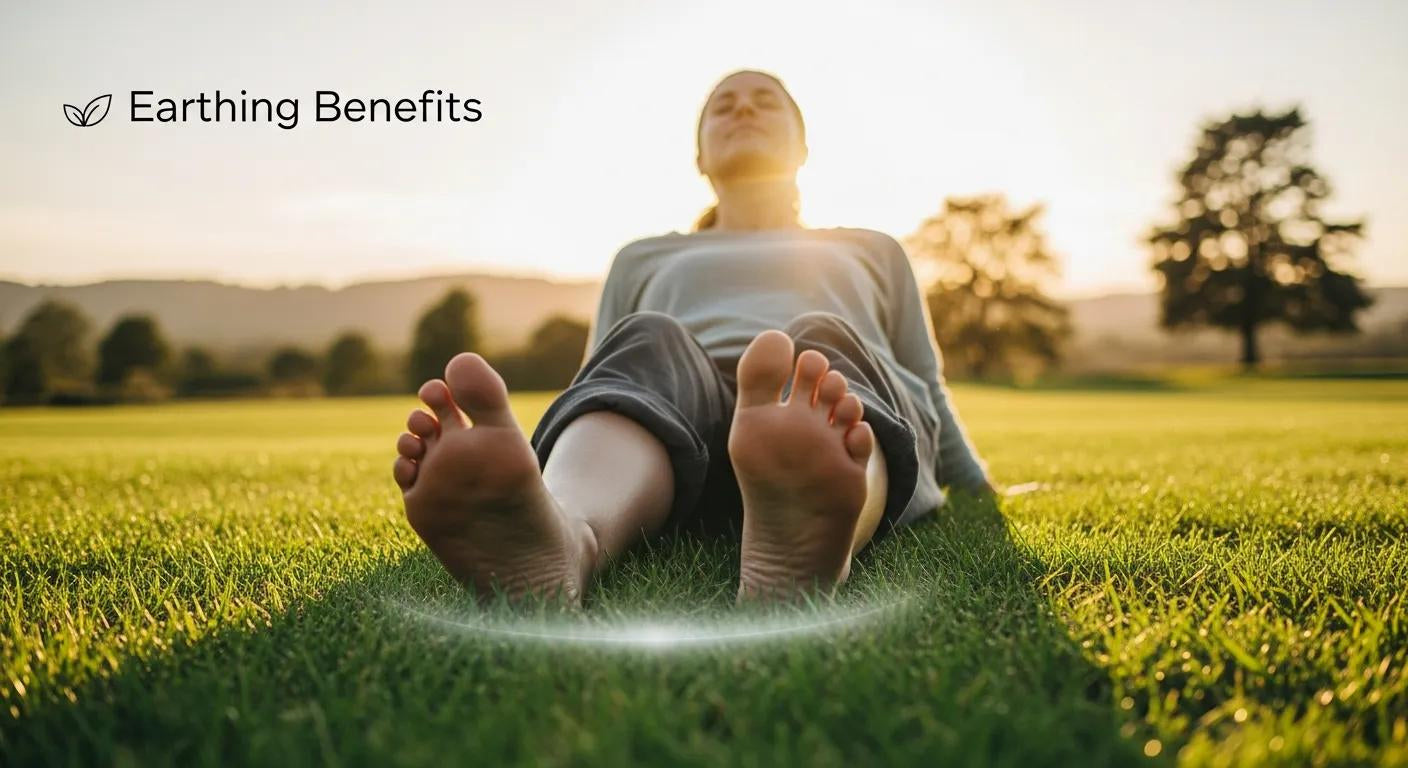
Discover Grounding’s Health Benefits
Grounding — also called earthing — is simply making direct electrical contact between your body and the earth. Reconnecting with the ground allows electrons to move into the body, which can help lower inflammation, support your natural rhythms, reduce stress and improve sleep. In this guide, you’ll find a clear explanation of how grounding works, the benefits for sleep, inflammation, stress and circulation, and practical ways to add grounding to your routine. We provide simple explanations and step-by-step recommendations — including how Terra Wellness grounding products can help you with earthing day and night — so you can decide if grounding fits your holistic well-being plan.
What Is Grounding and How Does It Promote Holistic Health?
Grounding means creating a conductive path between your skin and the earth so electrons can flow into the body. This electron transfer helps neutralise reactive oxygen species, supports cellular electrical balance and steadies biological rhythms. Practically, grounding is done by direct skin contact with soil, grass or a conductive surface that’s connected to ground. People often report benefits like better sleep, lower inflammation, reduced stress and improved circulation. It’s important to view grounding as a complementary wellness practice — a natural approach that supports health alongside medical care, not a replacement for it.
This section outlines grounding’s main benefits and common uses, then walks through its cultural history.
Grounding can support whole-body health through three core pathways:
- Electron transfer from the earth into the body, which helps neutralise free radicals and lower oxidative stress.
- Restoration of normal electrical potentials across tissues, supporting cellular signalling and inflammatory control.
- Stabilisation of natural rhythms by evening out nocturnal physiological patterns, like cortisol release.
These pathways offer a practical understanding of how grounding can influence sleep, inflammation, stress and circulation; the following sections expand on its history.
What Is Earthing and Its Historical Background?
Earthing reflects age-old practices — walking barefoot, resting on the ground — that kept people in frequent contact with the earth. As lifestyles moved indoors, people began to explore whether restoring that contact had noticeable effects. This exploration focused on sleep and pain, then broadened to inflammation and autonomic function, leading to the understanding we have today. Tracing earthing from a traditional habit helps explain why grounding is now discussed alongside other complementary health strategies.
With that context in place, let's look at how grounding interacts with the body's electrical systems — a key to many of the reported effects.
How Does Grounding Affect the Body’s Electrical System?
Grounding changes electrical potentials across the skin and tissues, allowing electrons from the earth to enter the body and take part in natural processes. This electron donation helps stabilise cell membranes, correct local charge imbalances and influence inflammatory pathways sensitive to oxidative stress. A more neutral electrical environment can affect nerve signalling, vascular tone and other bodily activities, which in turn can influence sleep, pain perception and overall balance. Grounding is seen as a supportive practice that works with your body’s natural electrical gradients.
Now that we understand this electrical connection, the next section looks at grounding’s effects on sleep and natural rhythms.
How Does Grounding Improve Sleep Quality and Circadian Rhythm?
Grounding supports better sleep by helping to normalise evening cortisol patterns and stabilise the natural cues that set your body clock. This means electron transfer and electrical stabilisation can reduce tension and inflammation in the evening, allowing cortisol to fall naturally and melatonin to promote sleep onset. Many people report improvements in how well they sleep, how quickly they fall asleep, and feeling more refreshed after sleep. Night-time grounding options, such as conductive sheets or mats that keep skin in contact with a grounded surface, can be used alongside good sleep hygiene practices.
We've seen how grounding can help balance cortisol and support sleep. Below, we list practical nighttime earthing steps and a table showing how grounding can lead to better sleep.
How to use grounding to support night-time earthing:
- Prepare a conductive sleep surface: Place a grounding sheet under your fitted sheet so your skin can touch a conductive zone during sleep.
- Ensure a continuous earth connection: For indoor grounding products, follow instructions to connect the sheet or mat to an earth reference so contact is uninterrupted.
- Use it regularly: Aim to sleep grounded most nights so your natural rhythms and inflammatory patterns can stabilise over days to weeks.
These steps create a simple nightly routine; the table below shows how grounding can lead to measurable sleep benefits.
| How Grounding Helps | What Happens in Your Body | Expected Sleep Outcome |
|---|---|---|
| Connecting with the Earth's electrons | Lower oxidative stress and reduced systemic inflammation | Better sleep continuity and fewer night-time awakenings |
| Balancing your body's electrical system | A more balanced cortisol rhythm at night | Faster sleep onset and deeper slow-wave sleep |
| Direct skin contact | Gentle support for your nervous system | Greater subjective restfulness and improved sleep restoration |
This comparison shows how different grounding effects could translate into noticeable sleep improvements and supports the practical guidance above.
In What Ways Does Grounding Help Reduce Inflammation Naturally?
One key benefit of grounding is reduced inflammation through electron transfer that neutralises reactive oxygen species, acting much like an antioxidant. The process is straightforward: electrons from the earth neutralise free radicals, which lowers oxidative stress and helps calm inflammatory responses. Many people report reductions in pain and discomfort after grounding. Grounding techniques are best used alongside established anti-inflammatory habits like a nutritious diet, regular movement and good sleep.
Below is a concise overview of how grounding can help, followed by practical grounding methods to support lower inflammation.
| How Grounding Helps | What It Can Do |
|---|---|
| Connecting with Earth's electrons | Supports your body's natural anti-inflammatory processes |
| Helping to reduce oxidative stress | Contributes to a calmer inflammatory response |
| Regular contact (day & night) | Can lead to reductions in pain and stiffness |
Practical grounding techniques to support inflammation reduction:
- Barefoot time outdoors: Spend 10–30 minutes walking barefoot on grass or soil daily to allow direct skin-to-earth contact.
- Nightly grounding during sleep: Use a grounding sleep sheet or surface to maintain continuous earthing for several hours each night.
- Daytime conductive mat use: Place a grounding mat under your feet while seated to increase cumulative contact time during the day.
Each approach works best combined with balanced nutrition, regular activity and adequate rest; next, we cover grounding’s role in stress and mental well-being.
Can Grounding Reduce Stress and Anxiety for Mental Well-being?
Grounding can lower stress and anxiety by shifting your body's balance and normalising cortisol patterns, encouraging a relaxed state over tension. Electrical stabilisation and reduced oxidative stress can lower physiological tension, improve heart rate variability (HRV) and produce a calmer subjective state. Many people report mood improvements, less tension and a greater sense of calm after grounding. Practical grounding exercises are quick, repeatable and easy to add to daily stress-management routines.
Grounding helps normalise your daily cortisol — reducing elevated evening levels that disrupt sleep — and supports improvements that reflect greater relaxation. These benefits suggest grounding can gently guide your body towards a calmer state and help reduce anxiety symptoms when used consistently.
Simple grounding practices to calm the mind (indoor or outdoor):
- Five-minute barefoot pause: Stand barefoot on grass or soil, breathe slowly and focus on steady diaphragmatic breaths for five minutes.
- Seated grounding at a desk: Place a grounding mat under your feet while seated and do a short mindfulness exercise for 10 minutes.
- Pre-sleep grounding ritual: Spend 20–30 minutes grounded on a sheet or mat before bed while reading or doing another quiet activity to lower evening tension.
These small routines can provide immediate calming effects and build physiological benefits over time; next, we look at grounding and circulation.
How Does Grounding Support Heart Health and Circulation?
Grounding can benefit cardiovascular health through mechanisms that influence blood flow, blood viscosity and your body's natural control systems — all of which affect circulation. Electron transfer and lower inflammation can support healthy blood vessel function and blood flow, while shifts toward a relaxed state can improve heart rate variability (HRV), a marker linked to cardiovascular resilience. Many people notice positive changes in blood flow and HRV after grounding, suggesting possible circulatory advantages. People with cardiac conditions should treat grounding as a complementary practice and consult a clinician before making changes.
Grounding can have a meaningful impact on blood flow and overall cardiovascular well-being.
Many people associate grounding with improved blood-flow measures and higher HRV, implying more adaptable control and better microcirculatory conditions. Observed reductions in markers tied to clotting tendencies and improvements in microcirculation are encouraging. These benefits suggest grounding can be a valuable addition to your wellness routine, especially for those interested in circulatory support.
Safe, practical grounding for cardiovascular wellness:
- Regular barefoot walking: Gentle barefoot movement on natural surfaces supports local and systemic circulation.
- Daytime grounding mat use: When seated for long periods, place a conductive mat under your feet to maintain low-level contact that can support microvascular flow.
- Night-time grounding: Use a grounding sheet during sleep to extend earthing duration and complement daytime practices for steady benefits.
Pair grounding with exercise, healthy eating and medical care for a balanced approach; consult your clinician for personalised advice before starting any new regimen.
What Are the Best Ways to Practice Grounding Using Terra Wellness Products?
Terra Wellness grounding sheets and mats make it easy to keep skin-to-earth contact when outdoor access is limited. Use a grounding sheet on your mattress beneath bedding so your skin naturally meets a conductive zone overnight, and position a grounding mat at your desk or underfoot while seated to add daily earthing minutes. These products pair well with barefoot outdoor time and are particularly useful in urban settings where regular natural contact is harder to get.
| Product / Practice | What It Offers | Primary Benefit |
|---|---|---|
| Terra Wellness Grounding Sheet | Comfortable, conductive material for sleep | Supports restful sleep and natural rhythms |
| Terra Wellness Grounding Mat | Portable conductive mat for day use | Helps you stay connected and calm during the day |
| Barefoot ground contact | Direct connection with nature | Recharges you naturally outdoors |
This table shows how Terra Wellness accessories and natural barefoot practices complement each other; the next section explains setup and upkeep.
How to use grounding sheets and mats for reliable results:
- Placement and contact: Lay the grounding sheet on the mattress beneath your bed linen, or place a grounding mat where your bare feet rest during desk work so skin contact is maintained.
- Connection and continuity: Follow the product guide to attach the conductive surface to a stable earth reference so the connection stays consistent overnight or during sessions.
- Maintenance and safety: Keep conductive surfaces clean per the manufacturer’s instructions, avoid exposing electrical connectors to moisture, and stop use and seek advice if any skin irritation occurs.
Following these steps helps you build a safe, effective earthing habit; the tips above make transitioning to grounding straightforward.
What customer experiences highlight the benefits of Terra Wellness grounding products?
Customer feedback on Terra Wellness pages commonly mentions improved sleep continuity, less evening tension and easier relaxation while working from a desk after regular use of grounding sheets or mats. Everyone's experience is unique, but many customers appreciate the convenience of indoor grounding devices compared with relying solely on outdoor barefoot time. These reports underline that consistent use matters and that grounding is most effective as a complement to sleep hygiene and stress-management practices.
To close, new users should expect gradual benefits with regular use; Terra Wellness grounding accessories offer a practical, accessible way to bring earthing into everyday life.