






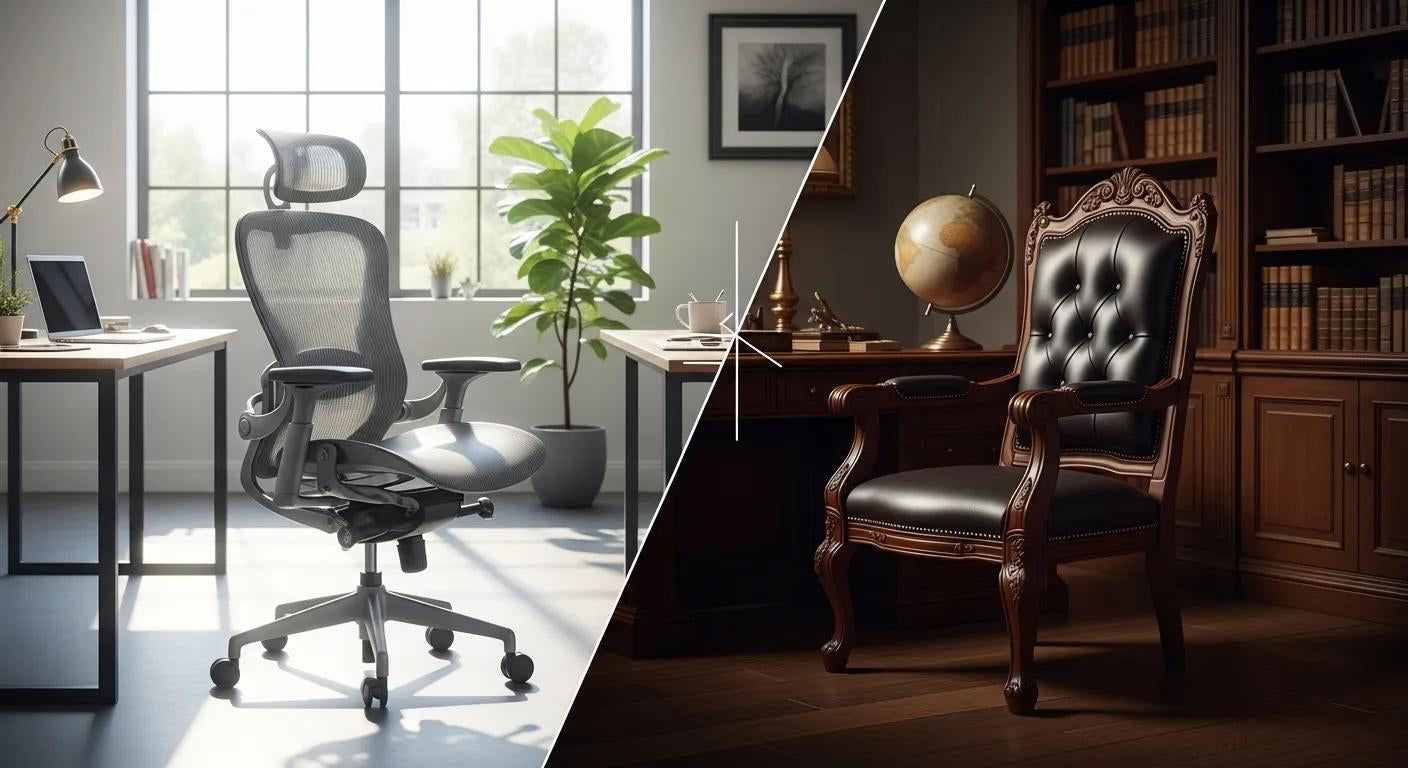
Ergonomic vs Traditional Chairs: Find Your Fit
Which is better for everyday comfort, spinal health and productivity: an ergonomic chair or a conventional office seat? That choice shapes how people feel and perform each workday, so it matters for individual users and facilities teams alike. This guide explains what sets ergonomic seating apart from standard chairs, summarises the health and performance advantages, and outlines practical considerations for commercial spaces across Australia. Many people experience neck or lower‑back discomfort from seats that don’t fit them, lose focus because of fatigue, or develop avoidable musculoskeletal issues over time. The right chair reduces those risks and helps people stay comfortable and productive. Read on to learn how ergonomic features support the spine, which design elements to prioritise, and which chair categories suit different users.
Put simply: ergonomics adapts the workspace to the person—improving comfort and performance.
What Are the Key Benefits of Ergonomic Chairs Compared to Traditional Seating?
Ergonomic chairs are designed to support the body throughout varied sitting positions by combining adjustability with targeted support. Adjustable lumbar and seat depth help align the pelvis and lower spine, while tilt and armrest controls spread loads and reduce static muscle tension. The result is less pain and fatigue, better comfort for long periods of sitting, and fewer interruptions—so teams stay focused. Over time, these benefits can lead to fewer replacements and a healthier, more present workforce.
To make the practical differences clear, the table below compares core attributes of ergonomic chairs and traditional seating.
Ergonomic vs traditional seating: core comparison
| Seat Characteristic | Ergonomic Chairs | Traditional Seating |
|---|---|---|
| Support | Adjustable lumbar and contouring support | Fixed or minimal lumbar support |
| Adjustability | Multiple controls (seat height, depth, tilt, armrests) | Limited or single-axis adjustments |
| Long-term health impact | Designed to reduce back pain and musculoskeletal risk | Neutral or increasing risk with prolonged use |
| Productivity effect | Reduces fatigue and improves concentration | Increased discomfort leads to interruptions |
| Suitability for fit-outs | Specified for diverse users and commercial use | Often chosen on cost or aesthetics alone |
This comparison shows ergonomic seating offers targeted biomechanical support and clear workplace advantages—it’s more than a cosmetic upgrade. Next, we look at how specific ergonomic features deliver those benefits.
Specialist suppliers and fit‑out teams can turn these benefits into practical specifications for commercial workplaces, matching chairs to user needs and tasks. A specialist partner can help implement ergonomic designs at scale, ensuring a smooth process from selection to supply.
How Do Ergonomic Chairs Support Back Health and Reduce Pain?
Ergonomic chairs protect the back by providing adjustable lumbar support that preserves the natural lumbar curve, reducing disc compression and paraspinal muscle fatigue. Seat depth and tilt let users position hips and knees comfortably, preventing slumped posture and distributing weight along the thighs rather than concentrating it on the sit bones. These adjustments lower static loading on lumbar discs and encourage small posture changes that improve circulation, reducing the risk of chronic pain. For best results, position lumbar support at the lower back, set seat height so feet sit flat, and vary recline during the day to limit cumulative strain.
Which Ergonomic Features Enhance Comfort and Productivity?
Certain features map directly to comfort and focus: adjustable lumbar eases lower‑back strain, armrest adjustments reduce shoulder tension, tilt mechanisms encourage dynamic sitting, and breathable mesh improves thermal comfort. Materials matter too—high‑density foam and resilient fabrics keep their shape under heavy use, while mesh backs boost airflow in warmer environments. For your workplace, a practical checklist includes multi-axis adjustability, a reliable tilt lock, adjustable lumbar, durable upholstery and components designed for commercial use. Chairs with these features minimise micro-breaks from discomfort and support sustained concentration through a typical workday.
By contrast, poorly designed office furniture can cause discomfort and reduce productivity.
These feature choices help buyers evaluate models against Australian commercial needs.
How Does an Ergonomic Chair Differ from a Standard Office Chair?
The difference is intent: ergonomic chairs are built to prevent strain and support prolonged, healthy sitting through customisation, while standard chairs often favour basic seating or appearance. Mechanically, ergonomics offers a wider range of adjustments—seat depth, lumbar, armrest width and height, synchro‑tilt—so each user can achieve a proper fit. Use cases diverge: ergonomic chairs suit full‑time desk workers and collaborative spaces with long sitting periods, whereas standard chairs are common for occasional seating or meeting rooms. Longevity and overall value also vary; ergonomic chairs are generally built with stronger frames and components designed for commercial use, offering lasting performance.
Distinctive design elements checklist
- Adjustable lumbar: Allows precise lower‑back support for different body shapes.
- Seat depth adjustment: Matches leg length to prevent posterior pelvic tilt.
- Synchro-tilt mechanism: Coordinates recline to protect the spine.
- Multi-axis armrests: Reduce shoulder and neck strain during desk work.
Assessing these elements alongside job roles and shift lengths helps facilities teams choose seating that meets workplace demands. That fit‑for‑purpose approach is the core value of ergonomic seating.
What Design Elements Distinguish Ergonomic Chairs from Traditional Models?
Ergonomic chairs combine adjustable lumbar, seat depth, synchro‑tilt and multi‑axis armrests to control spinal alignment and reduce compressive loading when sitting. Material choices—mesh backs or high‑resilience foams—affect thermal comfort and long‑term support, which matters during long shifts. Examples include lumbar contouring that prevents forward slouching, or synchro‑tilt recline that preserves eye line for screen work and eases neck strain. Each element targets cumulative stresses that can lead to chronic pain.
Knowing these elements helps create clear specifications and predictable user outcomes.
Why Choose Ergonomic Seating Solutions for Long-Term Use?
Choosing ergonomic seating is an investment in staff wellbeing and operational continuity: better chairs reduce musculoskeletal‑related sick leave and can boost retention by showing a commitment to health. While there might be a higher initial investment, this is often offset by less frequent replacement, a healthier workforce, and improved productivity. Facilities managers should consider the long-term value and support available when making their choice. Those long‑term factors make ergonomic seating a strategic asset rather than a discretionary spend.
Thinking about long-term value, let's look at where you can find suitable options locally.
Which Are the Best Ergonomic Office Chairs Available in Australia?
Choosing the best ergonomic chairs in Australia depends on task profiles, climate and expectations for ongoing support. Commonly recommended categories include task chairs, mesh‑back ergonomic models and executive ergonomic chairs. Because many Australian offices combine long shifts with warmer temperatures, breathable materials and wide adjustment ranges are priorities. When choosing, consider local support and any ergonomic certifications or testing that confirm durability and adjustability. For fit‑outs, specifying categories rather than single models helps standardise support across user groups while allowing graded choices by role and budget.
Use the table below to help teams prioritise chair categories for Australian commercial settings.
| Chair Category | Key Features | Why it matters for Australian commercial spaces |
|---|---|---|
| Task chairs | Compact, adjustable lumbar, seat depth | Ideal for focused desk work and flexible workstations |
| Mesh-back ergonomic chairs | Breathable back, adjustable support | Suit warmer offices and long-duration sitting |
| Executive ergonomic chairs | Enhanced cushioning, headrest | For senior staff and tasks requiring extended focus |
| Adjustable lumbar models | Precise lumbar controls, durable frame | Reduces lower-back complaints and supports diverse users |
This table streamlines selection during specification and tendering. Organisations that need help can work with specialist suppliers who run trials and manage bulk supply to align seating with workplace ergonomics.
If you’re specifying chairs for a fit‑out, consider partnering with a commercial supplier who can advise on specifications, arrange trial seating for staff groups, and provide ongoing support scaled to your site. With supply considerations covered, let’s examine how chairs can reduce back pain.
What Features Should You Look for in Top-Rated Australian Ergonomic Chairs?
Top-rated ergonomic chairs in Australia emphasise adjustability, breathability and longevity for commercial use and climate. Look for multi‑axis armrests, lumbar adjustments that move vertically and in depth, durable seat foams that resist compression, and mesh or ventilated backs for thermal comfort. Local support is essential; commercial designs often include components designed for longevity. Together, these features cut discomfort, fit a range of body types and make maintenance simpler for facilities teams.
These criteria help match chair categories to user groups during selection.
How Do Commercial Ergonomic Seating Solutions Cater to Australian Workspaces?
Commercial ergonomic seating solutions are specified to higher durability standards and include maintenance plans and support coverage for daily, multi‑shift use in corporate or call‑centre environments. Suppliers often provide staged rollouts and ongoing support to ensure your seating continues to perform efficiently across your site. Fit‑out planning typically covers modular selection (task vs executive), ergonomic trials for user acceptance, and logistics for ongoing care. These service and scale features reduce downtime and protect your investment over the workplace lifecycle.
With commercial specifications clear, we turn to how chairs help with back pain.
How Can Ergonomic Chairs Help Alleviate Back Pain in Office Settings?
Ergonomic chairs help relieve back pain by restoring neutral spinal curves, reducing disc pressure and encouraging regular posture changes with adjustable features and tilt mechanisms. Immediate recommendations are a chair with adjustable lumbar, seat depth control and a synchro‑tilt for dynamic sitting that lowers static load. Short‑term management also includes correct chair setup and micro‑breaks; long‑term strategies may add ergonomic training and sit‑stand options. If pain continues despite optimised seating and behaviour changes, refer the person to occupational health professionals for assessment and tailored care.
For quick decisions, these chair types work well for common back pain profiles.
- Adjustable lumbar chairs: Provide targeted lower‑back support for lumbar pain.
- Seat-depth adjustable task chairs: Ensure correct thigh support for shorter or taller users.
- Mesh-backed ergonomic chairs with synchro-tilt: Combine breathability and dynamic recline to reduce static loading.
What Types of Office Chairs Are Recommended for Back Pain Relief in Australia?
For people with lumbar issues, chairs with adjustable lumbar height and depth are the priority. Taller users benefit from deeper seats and longer backrests; shorter users need reduced seat depth and forward‑tilt options. Mesh backs improve thermal comfort in warmer offices, which can otherwise increase muscle tension. Executive chairs with headrests can help those who need neck support during long screen or phone tasks. Matching chair type to a person’s body shape and their tasks delivers the best outcomes and reduces the risk of recurring pain.
How Does Proper Seating Posture Impact Spinal Health?
Proper sitting keeps the spine neutral: feet flat on the floor, knees at or slightly below hip height, hips positioned to preserve lumbar curve, and shoulders relaxed with forearms supported. Adjusting seat height, seat depth, and lumbar support helps achieve these checkpoints and reduces sustained compressive forces on the discs. Regular micro‑breaks and brief standing or stretching intervals reset soft tissues and promote circulation. Habitual posture care combined with an appropriate chair gives the strongest reduction in cumulative spinal stress over time.
What Are Commercial Ergonomic Seating Solutions and Who Should Consider Them?
Commercial ergonomic seating solutions combine seating products, specification services and ongoing support for organisations that need durable, maintainable seating at scale. These solutions cover procurement of specified chair categories, managed delivery and installation, ongoing support programmes, and optional user trials to validate choices across staff groups. Typical use cases include call centres, corporate offices, co‑working spaces and any workplace with prolonged seated work. The business benefits include lower injury claims, better staff comfort and measurable improvements in productivity and retention.
Below is a practical mapping of common commercial solutions to scale and expected business benefits.
| Solution Type | Scale / Use-case | Business benefit / ROI |
|---|---|---|
| Standardised task chair packs | Large open-plan offices | Consistent support, simplified maintenance, lower per-unit cost |
| Mixed-grade seating programmes | Corporates with varied roles | Role-specific comfort, improved satisfaction and retention |
| Managed maintenance contracts | Multi-site operations | Reduced downtime, predictable servicing costs |
| Trial-and-specification services | New fit-outs | Higher user acceptance, fewer returns and better ROI |
When organisations are ready to proceed, commercial suppliers can manage specification, trials and procurement so seating matches operational needs. For end‑to‑end support—from specification and sample seating to ongoing care—engage a specialist supplier who can coordinate fit‑out logistics and post‑installation support to protect your investment.
How Do Commercial Ergonomic Chairs Differ from Standard Office Seating?
Commercial ergonomic chairs are built to higher specifications: reinforced frames, commercial‑grade gas lifts, modular components and tested cycle life for heavy daily use. They are usually supported by ongoing service and support tailored to business environments, and suppliers commonly offer scheduled care to extend lifecycles. By contrast, consumer office chairs often prioritise lower price and simple aesthetics over durability and longevity. When choosing, consider factors like cycle‑life testing and ongoing support in your specifications.
What Benefits Do Businesses Gain from Investing in Ergonomic Seating?
Businesses that invest in ergonomic seating typically see fewer absences from musculoskeletal issues, improved employee comfort and focus, and potential productivity gains from fewer discomfort‑related interruptions. You can often see the benefits by tracking things like sick days, employee satisfaction, and performance before and after installation. Additional returns come from longer equipment lifecycles and reduced replacement frequency, offering better overall value. For fit‑out projects, combining ergonomic seating with staff training and workstation optimisation often gives you the best return on your investment.
Final commercial fit-out invitation and practical next steps
Investing in commercial ergonomic seating is a practical move toward healthier, more productive workplaces. Choosing chairs that fit users, support posture and offer serviceable longevity delivers measurable improvements in wellbeing and operational cost. Facilities teams planning fit‑outs should prioritise trials, clear specification criteria and maintenance frameworks to secure long‑term value from seating investments.
To turn specification into action, work with a supplier who offers sample programmes and ongoing support to assist your fit‑out from procurement through post‑installation. That approach helps ensure ergonomic benefits are realised across your workforce and maintained over the life of the seating solution.