






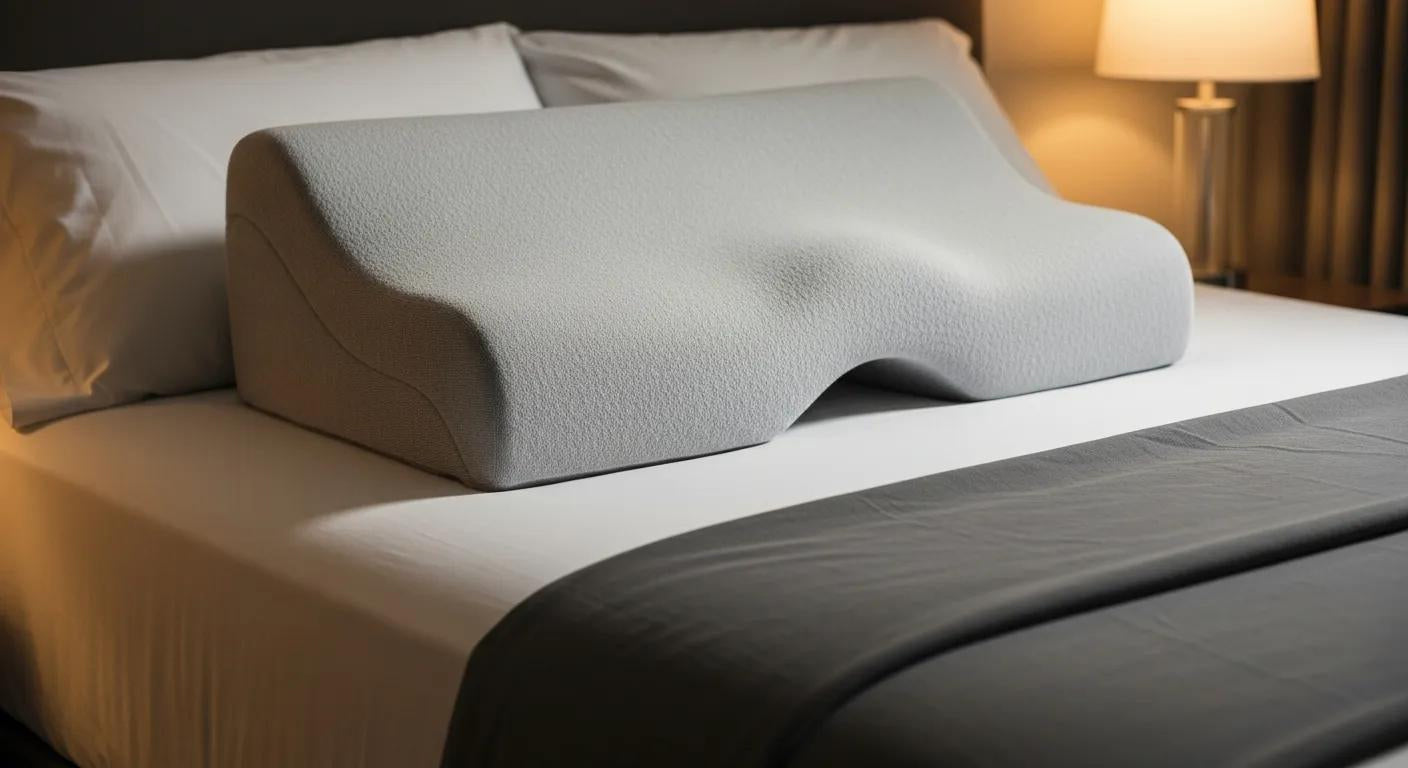
Ergonomic Pillow Benefits You May Not Know: Naturally Improve Sleep and Posture
An ergonomic pillow is designed to support your neck and spine by matching its shape and height to your neck’s natural curve. Using clever contours and targeted support, it helps ease pressure and keep your head, neck, and spine nicely aligned. This guide will walk you through how ergonomic pillows support your spine, why proper alignment is so important for alleviating neck pain and improving sleep quality, and the often-overlooked health benefits that can emerge over weeks and months.
If you often wake up stiff, toss and turn, or experience daily neck tension, a better pillow can help distribute the load, minimise those little disturbances, and encourage more restful sleep. You’ll find clear explanations of how improved posture works, simple checks to test your alignment at home, how better sleep can boost your mood and immunity, ways pillows might help with headaches or snoring, how to pick the right Terra Wellness Ergonomic Pillow 2.0 for your sleep style, and which complementary products can complete your sleep routine. We’re all about practical advice and guidance so you can turn these insights into better nights.
How Does an Ergonomic Pillow Enhance Spinal Alignment and Posture?

Ergonomic pillows promote spinal alignment with a shaped contour for your neck and materials that spread pressure evenly. This helps keep your head, neck, and back in a neutral line while you sleep. The design combines the right height for shoulder clearance with a cradle that supports your neck’s curve, reducing uneven pressure and limiting how much your muscles need to work overnight. With steadier support, you’re less likely to wake up stiff, and your soft tissues can recover instead of adapting to awkward positions. Below are the main ways ergonomic pillows work and simple signs of a truly supportive pillow.
Key benefits of an ergonomic pillow:
- Neck cradle: gently holds your neck’s natural curve to prevent it from bending too much up or down.
- Pressure relief: contoured foam spreads the load to reduce uncomfortable pressure points.
- Right height: the correct height keeps your shoulder and neck aligned, especially for side sleepers.
- Less movement: a stable head position means less frequent tossing and turning overnight.
These features explain how steady support at night can lead to better daytime posture and less neck strain. Next, we’ll define spinal alignment and show you an easy home test.
What Is Spinal Alignment and Why Is It Crucial for Neck Pain Relief?
Spinal alignment while you sleep means your head, neck, and body form a gentle, neutral line that maintains your neck’s natural curve and avoids prolonged bending. This position minimises unusual stress on your joints and surrounding soft tissues.
When alignment isn't quite right, your neck muscles have to work harder to hold things in place. Over time, this can lead to discomfort, pain, stiffness, and even symptoms like shoulder tightness or headaches.
A simple at-home check: lie on your back with a small rolled towel under your neck. If pressure feels evenly distributed across the back of your head and your neck feels supported without strain, your pillow is likely a good fit. Give it a go for a few weeks and see if you notice a difference in morning pain and how easily you can move your neck.
How Does the Terra Wellness Ergonomic Pillow 2.0 Support Natural Neck and Back Curves?
The Terra Wellness Ergonomic Pillow 2.0 features a distinct neck contour and a responsive memory foam core that adapts to your head and neck shape. This helps maintain neutral alignment throughout the night. A breathable cover and pressure-relieving foam work together to cradle your neck’s curve while allowing airflow for temperature control—boosting comfort and reducing those little disturbances that can wake you up.
If you like a quick rundown: the contour helps cradle your neck; the memory foam offers pressure relief; and the breathable cover keeps you cool. We’re confident you’ll find this pillow a great addition to your sleep routine, so why not give it a try?
What Surprising Sleep Quality Benefits Can You Gain from an Ergonomic Pillow?

An ergonomic pillow can really lift your sleep quality by stabilising your posture. This means fewer little wake-ups and interruptions, allowing you to spend more time in deep, restorative sleep. The main reason is comfort: fewer pressure points mean less tossing and turning and less irritation. When your sleep cycles are less interrupted, you get more of that important deep and REM sleep—crucial for memory, recovery, and hormonal balance. These improvements often show up as a better mood, clearer thinking, and potentially stronger immune responses through more consistent, restorative sleep. To get the most out of it, pair the right pillow with a consistent sleep schedule and a cool, dark bedroom.
Ways to improve posture with an ergonomic pillow enhance sleep:
- Less tossing and turning: steady support reduces the need to constantly reposition yourself.
- Longer deep sleep: fewer interruptions help you accumulate more slow-wave sleep.
- Better daytime function: more restorative sleep improves your mood and focus.
For lasting benefits, combine supportive bedding with good sleep habits and consider noting how consistently you sleep over several weeks to spot meaningful changes.
How Does Improved Sleep Posture Reduce Tossing, Turning, and Enhance Restorative Sleep?
Better sleep posture means less repositioning because your head and neck rest in a balanced position that avoids pressure points and irritating sensations that can wake you. When your muscles aren’t constantly working to stabilise, your sleep cycles can progress more smoothly into deep stages—so comfort and alignment are key to truly restorative sleep.
Setup tip: for back sleepers, position the contour under your neck rather than directly under your head; for side sleepers, make sure the pillow height fills the space between your shoulder and neck so your neck stays straight.
After a few nights, fewer repositioning events often mean longer uninterrupted sleep and a clearer sense of being well-rested the next day.
In What Ways Does Better Sleep Quality Impact Mood, Immunity, and Cognitive Function?
Improved sleep supports your mood by helping your brain regulate emotions, which reduces daytime irritability and boosts your ability to handle stress.
Your immune system benefits from consistent sleep through better balance and stronger responses to bugs and vaccines; regular restorative sleep helps manage inflammation.
Cognitive benefits include sharper attention, stronger memory, and quicker thinking, because deep sleep stages help your brain recover and process information.
All up, choosing supportive sleep gear like an ergonomic pillow is a practical step in a holistic plan that goes beyond just pain relief to your overall wellbeing.
Can Ergonomic Pillows Address Specific Health Concerns Beyond Neck Pain?
Yes—with realistic expectations. Ergonomic pillows can help reduce symptoms in conditions like headaches that stem from the neck, tension-related muscle pain, and positional snoring. They are supportive tools, not standalone medical treatments. The benefits come from easing mechanical strain, improving head and neck alignment for some positional snorers, and reducing stress by improving sleep continuity. These effects can lessen how often or how intensely many users experience symptoms.
Think of pillows as part of a broader self-care strategy. If symptoms persist or worsen, it’s always a good idea to chat with a healthcare professional.
Conditions where ergonomic support can help:
- Headaches from the neck: better alignment reduces referred pain from neck structures.
- Muscle tension: less nocturnal guarding allows tissues to recover.
- Positional snoring: improved head/neck positioning can open the airway for some people.
Give a new pillow a try for a while to monitor changes. If you have ongoing concerns, please consult a healthcare professional.
How Do Ergonomic Pillows Help Alleviate Headaches, Migraines, and Muscle Tension?
Ergonomic pillows can ease certain headaches—especially those linked to your neck—by preventing sustained neck positions that irritate neck joints and soft tissues, reducing signals that present as head pain.
Keeping your neck’s curve supported lowers muscle tension and trigger-point activity in areas like the upper trapezius and suboccipital muscles, which often contribute to tension headaches.
A practical self-test is to try it for a few weeks: note how often you get headaches and any morning stiffness while keeping a consistent sleep posture. If symptoms ease, alignment is likely helping. For new or severe headaches, always seek professional advice to rule out other causes.
What Role Do Ergonomic Pillows Play in Reducing Snoring and Supporting Sleep Apnea?
Ergonomic pillows can reduce snoring when the airway collapse is positional, by encouraging a neutral head position that helps keep the airway clearer. Their effect on obstructive sleep apnea (OSA) is limited and varies between individuals.
The way it works is mechanical: small adjustments in head tilt and neck extension can change the shape of your throat and potentially improve airway openness for some positional snorers.
If you suspect OSA, pillows are a helpful addition, but not a replacement for proper diagnosis and treatment. If you experience daytime sleepiness or if someone notices you stop breathing in your sleep, it’s best to seek professional medical advice.
Practical tips include slight elevation and using a neck cradle that avoids extreme neck bending, which can sometimes reduce airway collapse in mild positional cases.
What Long-Term Wellness Advantages Does Using an Ergonomic Pillow Offer?
Regular use of an ergonomic pillow can bring cumulative benefits: a lower risk of chronic neck pain, improved circulation in your neck’s soft tissues from reduced compression, and less stress from more consistent sleep. These effects become more noticeable over months of consistent use.
From a practical standpoint, sustained neutral alignment reduces repetitive tissue strain and supports repair during restorative sleep, lessening the chance of ongoing, load-driven issues.
Over a few months, many users report fewer pain flare-ups and better morning mobility when their pillow choice and sleep habits are aligned.
The table below links health outcomes to how the pillow helps and what long-term benefits you might expect, so you know what to look out for.
| Health Outcome | How it Helps | Expected Long-Term Benefit |
|---|---|---|
| Reduced chronic neck pain | Sustained neutral alignment; lower soft-tissue strain | Fewer flare-ups, less reliance on pain relief over months |
| Improved circulation and reduced stiffness | Less compressive loading and more regular micro-movement | Reduced morning stiffness and faster tissue recovery |
| Lower stress and improved mood | Better sleep continuity and hormonal balance | Improved daytime resilience and lower perceived stress |
This mapping shows how nightly support builds into longer-term health gains and sets realistic timeframes for noticing change.
How Can Ergonomic Pillows Prevent Chronic Pain and Improve Circulation Over Time?
Ergonomic pillows help break the cycle of nightly awkward postures that lead to ongoing muscle tension. Their shape and materials reduce focused pressure and allow blood flow to recover during sleep.
Over a typical few months, users who maintain consistent alignment and address daytime posture often report noticeable drops in pain intensity and how long episodes last.
Combining pillow use with neck mobility exercises can also boost circulation and recovery, supporting tissue healing and the behavioural changes that underpin long-term improvement.
In What Ways Does Better Sleep Reduce Stress and Anxiety Naturally?
Better sleep eases stress by stabilising your body’s stress responses and allowing your brain’s emotional control centres to recover. This improves emotional control and reduces the hyper-alertness that fuels anxiety.
More consistent sleep also helps manage inflammation linked to mood disturbances. When paired with a calming bedtime routine, these effects add up to greater daytime calm and improved coping.
| Stress-Related Outcome | How it Helps | Practical Tip |
|---|---|---|
| Lowered stress hormone variability | Consistent sleep reduces nocturnal stress responses | Keep a consistent sleep-wake schedule |
| Reduced overthinking | Improved deep sleep supports emotional processing | Use a short calming pre-sleep routine |
| Enhanced resilience | Better restorative sleep improves daytime coping resources | Combine pillow support with relaxing accessories |
In short, ergonomic support works with positive routines to reduce stress and anxiety over time.
How to Choose the Right Terra Wellness Ergonomic Pillow 2.0 for Your Sleep Position?
Choosing the right pillow means matching your sleep position, shoulder width, and comfort preference to the pillow’s height, firmness, and contour. This ensures your neck’s curve stays neutral through the night.
Start by identifying your primary sleep position, try the suggested height and firmness for several nights, and note any changes in comfort and morning symptoms.
The quick comparison below helps you pick recommended settings for side, back, and stomach sleepers and explains why each choice works—ideal for a quick reference when deciding.
| Sleep Position | Support / Height / Firmness | Recommended Setting / Reason |
|---|---|---|
| Side sleeper | High height, medium-firm support | Maintains neck-to-spine alignment; shoulder clearance prevents tilt |
| Back sleeper | Moderate height, medium support | Neck cradle supports natural curve without over-propping the head |
| Stomach sleeper | Low height, soft-to-medium | Minimises neck rotation and extension; consider transitioning to other positions |
Use this guide to focus on what matters: side sleepers prioritise height and shoulder relief, back sleepers need a gentle cradle, and stomach sleepers benefit from the lowest comfortable elevation.
What Features Make the Ergonomic Pillow 2.0 Ideal for Side, Back, and Stomach Sleepers?
The Ergonomic Pillow 2.0 combines a defined neck contour with a responsive memory foam core that adapts to your head and neck shape, offering practical versatility when matched to the right height.
For side sleepers, the taller contour keeps the neck aligned; for back sleepers, the cradle supports the neck’s curve without pushing the head too high; for stomach sleepers, the lower height or the flatter side reduces rotation and strain.
Set the contour under your neck, adjust any removable cover or fill if available, and give yourself a few weeks to adapt while monitoring morning symptoms to confirm the fit.
How Does Memory Foam and Neck Support Enhance Comfort and Posture?
Memory foam improves comfort and posture through its clever response: it conforms to your contours to spread pressure evenly and reduce peak contact forces, then slowly returns to shape to maintain support.
Neck support preserves your neck’s natural curve so your head doesn’t drop forward or tilt, cutting down prolonged muscle activation and joint stress.
To keep performance consistent, air the pillow occasionally, wash or follow care instructions for the removable cover, and follow Terra Wellness care guidance to sustain material responsiveness and alignment benefits.
Which Complementary Terra Wellness Products Enhance Holistic Sleep Health?
Complementary sleep products amplify the benefits of an ergonomic pillow by addressing related factors that affect how quickly you fall asleep and how consistently you stay asleep. Terra Wellness offers grounding mats, weighted blankets, hydration solutions, and other accessories that pair well with a contoured pillow to support relaxation, thermal comfort, and fluid balance—each item targets a distinct way to support restorative sleep. The mini-profiles and table below explain how these products layer with pillow use so you can build a cohesive Sleep Solutions routine.
Complementary product benefits in brief:
- Grounding mats: support relaxation through gentle conductive contact.
- Weighted blankets: provide deep-pressure stimulation that reduces restlessness and promotes calm.
- Hydration solutions: help maintain comfort when used thoughtfully before bed.
Use these options together with ergonomic support to strengthen nightly restoration and daytime wellbeing.
| Product | Primary benefit | How does it complement the ergonomic pillow |
|---|---|---|
| Grounding mat | Promotes relaxation | Reduces stress, so pillow-supported alignment is more effective |
| Weighted blanket | Calms the nervous system | Less restlessness helps alignment benefits persist through the night |
| Hydration solutions | Supports fluid balance and recovery | Maintains comfort without causing nocturnal disruption when timed well |
This table shows how each product targets a different sleep aspect and can be layered with pillow support for a unified routine.
How Do Grounding Mats and Weighted Blankets Support Relaxation and Sleep Quality?
Grounding mats aim to lower stress by providing a calming contact that many users find soothing, while weighted blankets deliver steady deep-pressure stimulation that promotes calm and reduces restlessness. Both approaches can help your body settle into and maintain a supportive posture overnight.
Practical tips: use a grounding mat during pre-sleep relaxation rather than leaving it under you all night, and choose a weighted blanket equal to roughly 7–12% of your body weight for comfortable pressure.
Combined with an ergonomic pillow that stabilises your neck, these calming tools can cut down on little wake-ups and improve the consistency of restorative sleep cycles.
What Hydration and Ergonomic Accessories Complement Your Sleep Wellness Routine?
Hydration solutions and daytime ergonomic accessories support sleep indirectly by promoting physiological balance and better posture during the day. This reduces nocturnal discomfort that can interrupt sleep.
Simple integrations include hydrating well earlier in the day and tapering fluids before bed, using lumbar supports and taking movement breaks while awake to limit cumulative load, and avoiding heavy liquids right before sleep to prevent night-time awakenings.
Pairing daytime posture aids with an ergonomic pillow at night creates a 24-hour posture-aware approach that encourages recovery and reduces the chance of sleep-disruptive pain.
Accessories and practical integration tips:
- Hydration timing: hydrate earlier in the afternoon and reduce intake before bedtime.
- Daytime posture aids: Use lumbar support and regular movement to lower evening neck strain.
- Sleep environment: combine pillow support with a cool, dark, quiet bedroom for best results.
These routines align daytime habits with nightly support, increasing the likelihood that your ergonomic pillow delivers sustained benefits.
Ready for a Better Night's Sleep?
Explore the Terra Wellness Ergonomic Pillow 2.0 and discover how it can transform your sleep and wellbeing.