






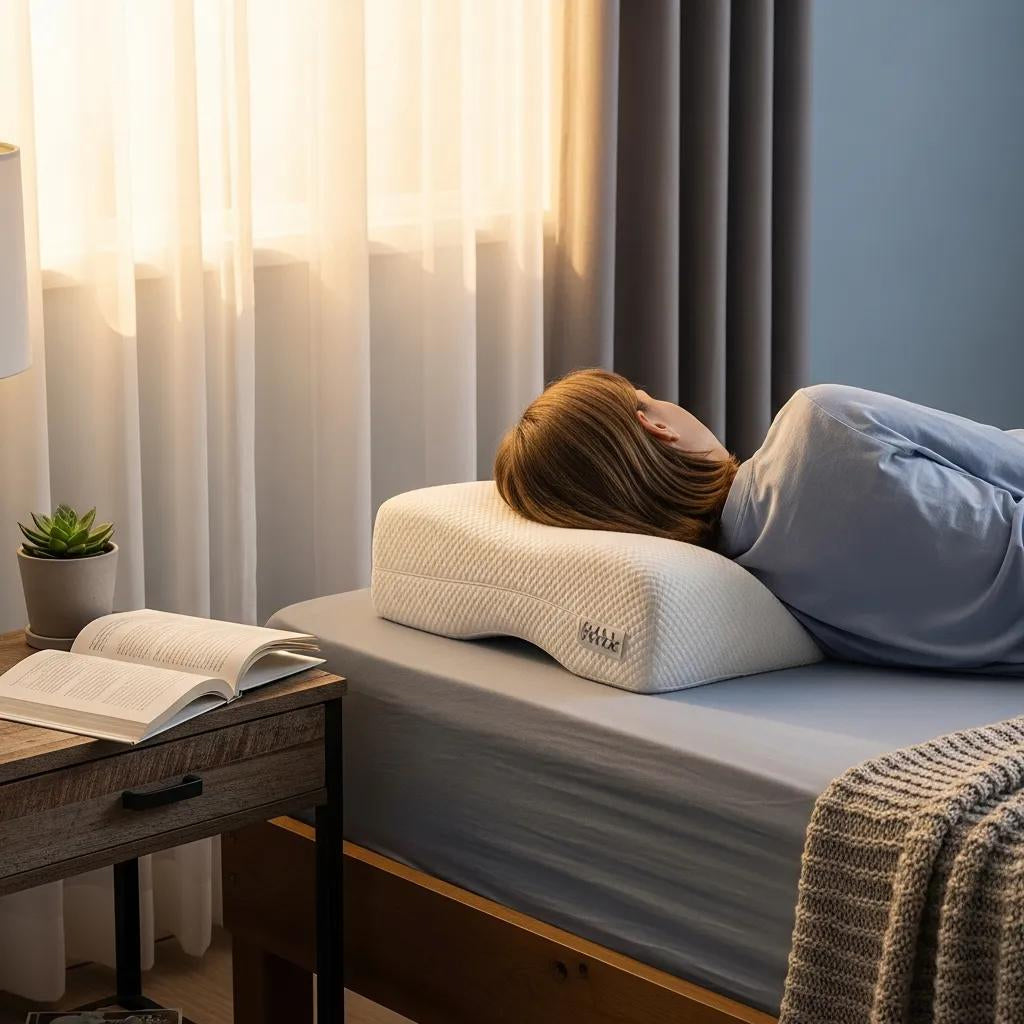
Ergonomic Pillow vs Traditional Pillow: Which Is Best for You? Clear Benefits and Practical Buying Tips
If you often wake with a stiff neck, broken sleep or ongoing discomfort, the right pillow can make a noticeable difference to your energy and focus during the day. This guide breaks down the differences between ergonomic and traditional pillows, explains why spinal alignment is crucial for maintaining proper posture for better sleep, and shows how to select a pillow that suits your body and sleep position. You’ll learn how contour, materials and loft affect neck support, which pillow types commonly cause problems, and practical steps to choose, alleviating the best option for neck pain and alignment. We'll also look at how Terra Wellness’s Ergonomic Pillow 2.0 meets common comfort criteria and how it works with complementary sleep tools. Read on for practical advice you can use tonight.
What Is an Ergonomic Pillow and How Does It Improve Sleep?
An ergonomic pillow is a purpose-built cushion shaped to support the natural curve of your neck. Instead of a shapeless lump, it uses contours and a supportive core—often memory foam or latex—to keep the cervical spine in a neutral position. That steady support reduces muscle strain and micro-awakenings, which often translates to deeper sleep, fewer morning aches and, for many people, less chronic neck pain. Matching a pillow’s contour and height to your head and neck shape is key to getting those benefits.
Ergonomic designs also reduce one common cause of fragmented sleep: when your neck is out of alignment, your body can stay on higher alert and wake briefly. Stable, consistent support helps lower those interruptions. Understanding this mechanical link helps when comparing materials and features in the next section.
In short, ergonomic pillows offer real gains for alignment and sleep continuity — when you choose the right shape and height for your body.
What Are the Key Features of Ergonomic Pillows for Neck and Spinal Support?

Most ergonomic pillows combine a contoured profile, a firm inner core, adjustable loft and breathable fabrics to balance comfort with reliable support. The cervical cradle gently raises the neck relative to the head, preserving the spine’s natural curve and easing muscle tension. Memory foam and latex respond differently — memory foam offers pressure relief, latex gives bounce — but both can deliver consistent neck support. Removable layers or inserts let you fine-tune loft, which is essential because the correct height depends on shoulder width and mattress firmness; the wrong loft can recreate alignment problems. Breathable covers and open-cell foams reduce heat build-up, so the supportive materials feel comfortable night after night.
People with chronic neck pain or posture issues often prefer a firmer, contoured core, while those who like a softer feel may choose an ergonomic design with a plush topper. Knowing these trade-offs helps you compare models in the following sections.
How Do Ergonomic Pillows Enhance Sleep Quality and Reduce Pain?
By stabilising the head and neck, ergonomic pillows lower cervical strain and cut down the micro-arousals that come from discomfort. Keeping the cervical spine neutral reduces input from irritated muscles and joints, which can limit pain-related sleep disruption and allow longer stretches of restorative sleep. For example, side sleepers who use a well-matched contoured pillow often report fewer position changes at night and less morning stiffness — a clear link between mechanical support and better sleep. Many people find that their sleep quality improves, and some even notice less need for pain relief when using the right pillow.
Better alignment also helps you feel more alert and less tense during the day, linking good sleep to overall well-being. This relationship informs the practical comparison with traditional pillows below.
What Defines a Traditional Pillow and What Are Its Limitations?

A traditional pillow is usually a simple, unshaped cushion filled with down, feathers, synthetic fibres or basic foam. These pillows prioritise an immediate soft surface over structured neck support. Because loose fill shifts and compresses, traditional pillows often fail to hold a consistent height or contour through the night, which can allow the head to tilt and the spine to move out of neutral. Common issues include flattening over time, uneven support for side sleepers, allergen concerns with natural fills, and variable heat retention depending on the material. To approximate good alignment, some people end up using multiple pillows or constant fluffing — a workaround, not a solution.
Knowing these constraints makes it easier to decide when a traditional pillow is acceptable (for occasional use or if you have no neck pain) and when a specialised ergonomic option is smarter. The next section looks at the materials and trade-offs that shape those decisions.
What Materials and Designs Are Common in Traditional Pillows?
Traditional pillows typically use feather and down, polyester microfibres, or a simple block of polyurethane foam. Feathers and down feel plush and lightweight, but can lose loft and trigger allergies for some people. Synthetic fills are often machine-washable and affordable, but may compress sooner than foam. Basic foam offers more shape than loose fill but lacks the zoned contouring of ergonomic designs, and lower-grade foams can trap heat. Durability varies: down and quality latex generally last longer than cheap synthetic fills. Maintenance differs too — some pillows are washable while others benefit from protective covers.
These material differences explain why traditional pillows struggle to provide consistent cervical support and set the scene for our side-by-side comparison.
What Are the Drawbacks of Traditional Pillows for Spinal Alignment?
The main drawback is inconsistent support: when fill shifts or compresses, your head can sink or tilt, breaking neutral posture. Side sleepers may suffer lateral flexion if the loft is too low; back sleepers may see excessive neck extension if the pillow is too high. These mismatches increase muscle activity and can worsen existing neck problems or lead to morning pain. Allergen-prone fills and hygiene issues also indirectly harm sleep quality for sensitive sleepers. These limits are why many sleep experts suggest contoured or cervical-support pillows for ongoing neck pain or alignment concerns.
With that context, you can weigh support, cost and maintenance when choosing between pillow types in the next section.
How Do Ergonomic and Traditional Pillows Compare: Benefits and Drawbacks?
When choosing between ergonomic and traditional pillows, compare support, materials, loft stability, lifespan and maintenance. Ergonomic pillows generally offer steadier cervical support and adjustability; traditional pillows often win on initial softness, lower price and a familiar feel. Heat retention and allergy risk depend on materials: ventilated memory foam improves airflow, while feather pillows breathe well but can compromise structure. The cost–benefit decision depends on whether neck pain or sleep fragmentation is your primary concern — investing in a supportive ergonomic pillow usually pays off for people with alignment needs.
Below is a concise comparison to highlight typical differences and help guide your choice.
| Pillow Type | Characteristic | Typical Value |
|---|---|---|
| Ergonomic (contoured memory foam/latex) | Support | Stable cervical contour, adjustable loft options |
| Traditional (down/feather/synthetic) | Comfort | Plush initial feel, variable long-term loft |
| Hybrid (adjustable inserts) | Versatility | Customisable layers, moderate support and comfort |
This table shows ergonomic designs prioritise alignment while traditional types lean toward surface comfort.
Terra Wellness offers models that reflect these ergonomic benefits: the Ergonomic Pillow 2.0 and the Butterfly Pillow. The Ergonomic Pillow 2.0 focuses on cervical contouring and ventilated memory foam; the Butterfly Pillow provides an alternate ergonomic profile for targeted support. You can try them out with peace of mind, knowing you have options if it's not quite right.
These product examples show how commercial options can meet the practical needs described above.
What Are the Differences in Support, Materials, and Comfort?
Support comes from the core: ergonomic pillows use a dense, shaped core to maintain alignment, while traditional pillows depend on loose fill that moves and compresses. Materials affect comfort and temperature: open-cell memory foam and natural latex give resilient support with breathability, while dense memory foam may retain heat unless ventilated. Comfort is personal — some people love the cradling feel of down, others prefer steady support that reduces night-time repositioning. Consider maintenance (does it compress over months?) and allergen risk when deciding.
Understanding these trade-offs helps you choose a design that will meaningfully reduce neck pain and improve sleep continuity for your situation.
When Should You Choose an Ergonomic Pillow Over a Traditional One?
Pick an ergonomic pillow if you have recurring neck pain, sleep consistently on your side or back, or wake frequently because of discomfort. Ergonomic designs are also a sensible next step if you’ve tried several traditional pillows without relief. If your sleep is already restorative, you change positions often and have no neck pain, a traditional pillow may be fine for comfort and cost reasons. Also factor in mattress firmness, shoulder width and habitual sleeping posture when deciding.
Here’s a short checklist to guide the choice:
- Frequent morning neck pain: favour ergonomic support.
- Consistent side or back sleeping: choose tailored loft and contour.
- Budget and comfort priority without pain: a traditional pillow is acceptable.
These decision rules lead to the practical guidance on choosing the right pillow for your sleep position.
How to Choose the Best Pillow for Your Sleep Position and Neck Pain
Choosing the right pillow comes down to matching loft, firmness and contour to your primary sleep position and neck shape. Use a simple three-point rule: fit, support, trial. First, match the loft to the shoulder width and mattress firmness to preserve neutral alignment. Second, pick firmness and a core that prevents unwanted sinking or over-elevation. Third, prioritise contour or adjustability and use a trial period to fine-tune height. This approach — fit, support, trial — is the most reliable way to choose an ergonomic pillow.
Below is a practical mapping from sleep position to recommended pillow features.
| Sleep Position | Recommended Loft & Firmness | Recommended Features |
|---|---|---|
| Side sleeper | High loft, firmer support | Contoured side channel, adjustable inserts |
| Back sleeper | Medium loft, medium-firm | Cervical cradle, moderate contour |
| Stomach sleeper | Low loft, soft to medium | Thin profile, minimal elevation |
This quick pairing helps reduce neck strain and preserve spinal alignment for each sleeping style.
Follow these practical steps:
- Measure: Check shoulder width and mattress firmness to estimate loft needs.
- Select core: For neck pain, favour supportive cores like memory foam or latex.
- Trial: Use adjustable or return-friendly pillows so you can test fit.
These steps let you test options with confidence; the next section gives model suggestions per sleep position and shows how Terra Wellness products fit those needs.
Which Pillows Are Recommended for Side, Back, and Stomach Sleepers?
Side sleepers usually need higher loft and firmer lateral support to fill the gap between the mattress and the ear, keeping the cervical spine neutral. A contoured pillow with an elevated side channel or adjustable inserts works well. Back sleepers benefit from medium loft and a gentle cervical cradle that supports the neck without pushing the head forward, helping reduce extension and upper airway strain. Stomach sleepers need the lowest profile and softest support to avoid excessive neck rotation — a thin ergonomic profile or minimal elevation is best. Combination sleepers should choose an adjustable pillow or a versatile hybrid that lets them alter loft quickly between positions.
Use these recommendations to trial suitable models and refine your fit; the following section focuses on neck-pain-specific features.
What Is the Best Pillow for Neck Pain and Spinal Alignment?
The best pillow for neck pain offers a clear cervical contour, a resilient core that resists compression, and adjustable loft so you can fine-tune height for neutral alignment. Choose materials that balance resilience with pressure relief — ventilated memory foam or zoned latex are common choices. A chance to try it out is essential because finding the right fit is so personal; Terra Wellness makes it easy to trial and adjust. If pain continues after trying an appropriate pillow, it's always a good idea to chat with a healthcare professional for tailored advice.
This practical feature list and trial strategy link selection principles to real outcomes and prepare you to review product details below.
How Does Terra Wellness’s Ergonomic Pillow 2.0 Stand Out?
Terra Wellness designed the Ergonomic Pillow 2.0 as a solution for people who want reliable cervical contouring, breathable supportive foam and an easy trial experience. The 2.0 pairs a contoured cervical profile with a ventilated memory foam core to balance pressure relief with airflow, aiming to reduce neck pain while keeping alignment. We want you to find the perfect fit, so you can try the pillow out with confidence. The 2.0 is positioned alongside complementary sleep tools—like grounding mats and recovery accessories—to support a broader sleep routine focused on both mechanics and relaxation.
This overview shows how the Ergonomic Pillow 2.0 maps to the core selection criteria we discussed earlier; the next subsection lists the features that make it practical for different users.
What Unique Features Does the Ergonomic Pillow 2.0 Offer?
The Ergonomic Pillow 2.0 pairs a cervical cradle with ventilated memory foam and a removable layer for small loft adjustments, addressing the main drivers of neck support and comfort. These features help hold the neck in a stable, neutral posture while allowing the head to rest without excess pressure, reducing micro-arousals and muscle guarding. A breathable outer fabric improves thermal comfort, and you can try the pillow out with confidence. For people with chronic neck issues or predictable sleep positions, these design choices make the 2.0 a practical example of ergonomic engineering that translates into measurable sleep improvements.
These attributes show how design can implement principles of support; the next section explains how the pillow fits into Terra Wellness’s broader sleep approach.
How Does It Integrate with Holistic Sleep Solutions Like Grounding Mats?
Used with complementary products such as grounding mats, the Ergonomic Pillow 2.0 can be part of a simple, effective sleep routine that addresses both mechanical and environmental factors. Grounding mats can be a lovely addition for some, helping with relaxation and getting to sleep; our pillow then provides the structural alignment needed for uninterrupted, restorative sleep. An evening routine might include grounding or calming practices followed by supportive pillow placement to maximise recovery — this combined approach targets both nervous-system regulation and biomechanical alignment rather than relying on a single fix.
Combining well-chosen tools supports a broader sleep strategy and can amplify benefits for sleep quality and recovery.
When and Why Should You Replace Your Pillow for Optimal Sleep Health?
Replacing a pillow at the right time preserves support, lowers allergen exposure and protects sleep quality. Lifespan varies by material and construction: high-density memory foam or latex ergonomic pillows often stay supportive for two to four years, while traditional down or synthetic pillows can lose loft within 12–18 months. Factors such as moisture, body oils and frequent washing speed up degradation, and allergen build-up can worsen symptoms for sensitive sleepers. Regular care — using washable covers, airing the pillow and following cleaning instructions — can extend life but won’t fully stop core compression over time.
Watching objective signs and symptoms makes replacement decisions simple; the next section gives lifespan estimates, maintenance tips and a clear checklist of replacement cues.
How Long Do Ergonomic and Traditional Pillows Last?
High-density memory foam or latex ergonomic pillows typically remain supportive for two to four years, depending on use and quality. Traditional down and synthetic-fill pillows often need replacement every 12–24 months as the loft fades. Things that shorten lifespan include heavy use, frequent washing without thorough drying, and humid environments that degrade fills. To extend life, use a breathable protective cover, spot-clean per the manufacturer’s instructions and rotate pillows to spread wear. Still, expect gradual softening — check pillow height and support every year to keep spinal alignment consistent.
These lifespan guidelines help you plan timely replacements so support and sleep quality remain steady.
What Signs Indicate It’s Time to Replace Your Pillow?
Replace a pillow when you notice persistent flattening or lumps, visible fabric wear, or a return of morning neck pain or increased night-time repositioning — all signs the pillow no longer supports you effectively. Other cues include waking stiff, changes in snoring, or allergy symptoms that improve when you’re away from the pillow. If you have to fold or double the pillow to reach the original height, the internal structure has likely degraded, and it’s time for a new one. After replacing your pillow, try a model that offers adjustment or a chance to try it out to confirm improvement. If pain persists, it's always best to chat with a healthcare professional.
Recognising these cues completes the selection and maintenance cycle and helps you take practical steps to protect your sleep health.