






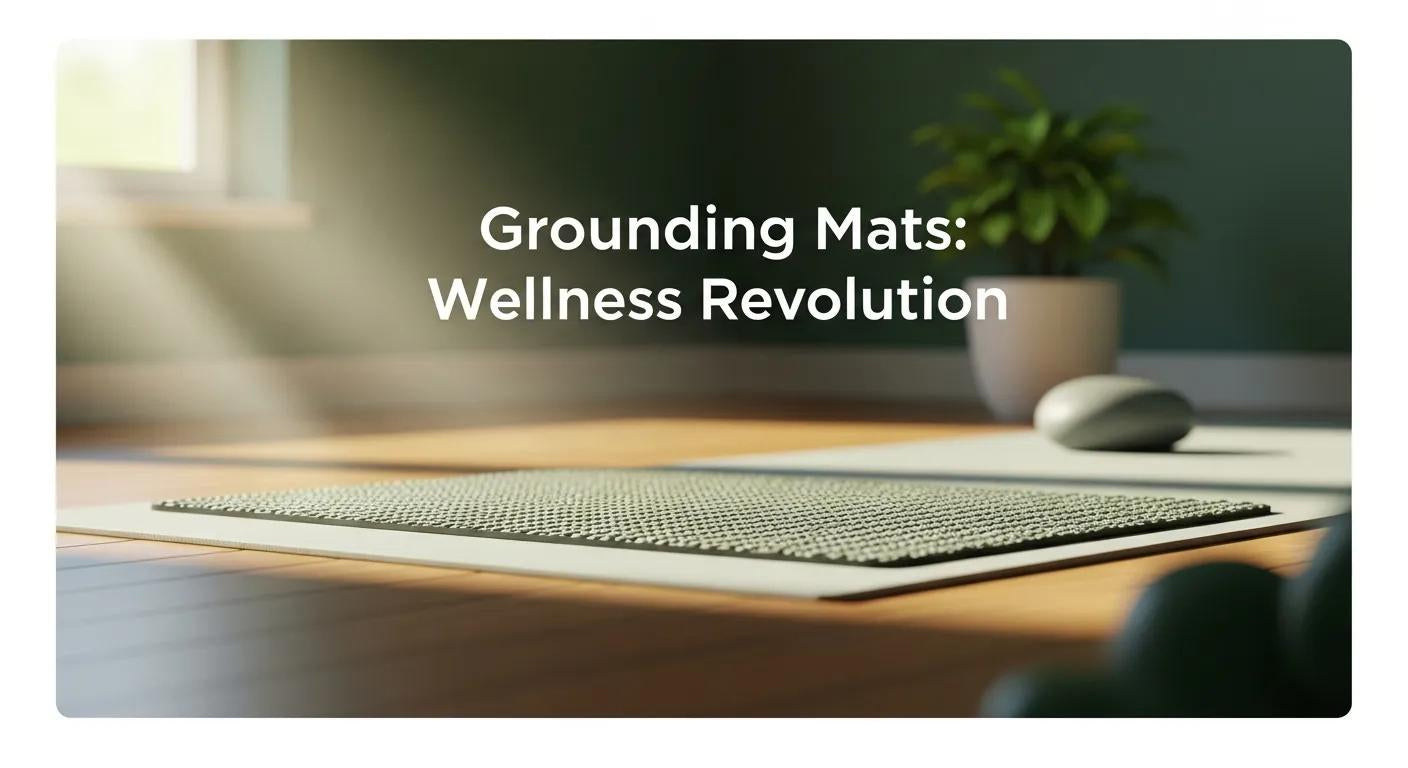
Grounding Mats — Practical Wellness for Your Home
Grounding mats are conductive floor or desk surfaces designed to reconnect people with the Earth’s natural energy, bringing a sense of balance and calm into your living space. Traditional mats, by contrast, are non‑conductive and focus on comfort, safety and protecting floors. This guide explains how our grounding mats differ from common anti‑fatigue, entrance and yoga mats, why connecting with the Earth is so good for your personal wellbeing, and how you can easily choose and use grounding solutions in your home. You’ll find straightforward information and guidance here, concentrating on how grounding mats work, material comparisons, home benefits, selection checklists and practical considerations for various rooms. We provide clear, actionable lists and comparison tables to support your decisions. Read on to understand functional differences, explore personal wellness outcomes, and follow a concise checklist for choosing grounding mats for standing desks, relaxation areas and bedrooms.
Understanding Traditional Mats vs. Grounding Mats for Home Use
Traditional mats are non‑conductive floor coverings used across homes to improve ergonomics, reduce slip risk and protect flooring from wear. They cushion standing surfaces in kitchens, trap dirt at entrances, or provide a stable surface for exercise — all of which help reduce musculoskeletal strain and improve safety in high-traffic zones. For homeowners, the primary value of conventional mats is pragmatic: they cut slips, scuffs and fatigue during long-standing tasks, but they don’t interact with the body’s natural electrical environment. Knowing these differences helps you decide when a mat should focus on safety and durability, and when a wellness‑focused grounding solution could add real value to your home. Below, we list common traditional mat types and typical use cases so you can map current floor solutions to locations where grounding could be beneficial.
Common Traditional Mats in the Home and Their Limitations
Homes use several mat types chosen for their function: anti‑fatigue mats in kitchens or home offices, rubber entrance mats for dirt control, rugs for warmth and acoustic damping, and thin yoga‑style mats in home gyms or wellness corners. Anti‑fatigue mats are typically closed‑cell foam or nitrile rubber and are sized for standing desks and kitchen areas — they prioritise rebound and cushioning. Entrance mats are heavy‑duty rubber or polymer blends designed to trap moisture and grit at thresholds, protecting floors and lowering cleaning costs. Rugs and thin foam yoga mats add comfort and help with acoustics in living or wellness rooms, but do not provide electrical conductivity. These material choices are important when you’re weighing overall well-being against purely ergonomic benefits.
Why Traditional Mats Fall Short for Home Wellness
Traditional mats reduce local discomfort and slip risk but lack conductive properties that could influence overall well-being. They improve mechanical ergonomics — lowering joint load and perceived fatigue — but they don’t connect you to the Earth’s energy or change the body’s electrical environment. For those experiencing ongoing discomfort or stress, cushioning alone might not address the root causes. Grounding mats offer a valuable complementary approach to help you feel better. Understanding this difference helps you see grounding as a helpful addition, not a replacement, for your existing ergonomic solutions.
How Do Grounding Mats Work and Differ from Traditional Mats?
Grounding mats create a simple connection between you and the Earth's natural energy. This allows a gentle flow of electrons that can help bring balance to your body and ease feelings of stress and discomfort. They’re made with conductive layers — commonly carbon or silver‑embedded fibres — and connect to a properly earthed point by cord or hardwired system, establishing a good link to earth. Functionally, grounding mats are engineered for natural electrical interaction and wellness support, while traditional mats are engineered for mechanical comfort, slip resistance and surface protection. Understanding how they work clarifies why grounding mats are positioned as wellness products in addition to being floor coverings; we summarise how they work and what they're made of below.
What Is the Idea Behind Grounding Mats and Earthing Technology?
The idea behind grounding is simple: direct contact with the Earth's surface allows its natural energy to flow into your body. This can help reduce feelings of stress and support your overall balance. Users often report improvements in subjective sleep quality and a general sense of well-being. This natural connection helps to harmonise your body's electrical state, which can positively influence your comfort and stress levels. Grounding is a simple, complementary strategy for home wellness.
Below, we outline the material and installation differences that make grounding mats effective.
Key Material and Functional Differences for Home Use
Grounding mats include conductive layers — typically carbon or silver‑coated threads — integrated into a mat surface that is electrically continuous and ends in a grounding cord; traditional mats use insulating foams, rubber or textiles designed for cushioning and wear resistance. Installing our grounding mats is straightforward. You'll connect them to a properly earthed point, usually a grounded home power outlet (using a special adapter) or a dedicated earth stake. We recommend occasional checks to ensure your connection is working well. Maintenance is different in practice: grounding mats need cleaning methods that preserve conductive pathways, while traditional mats tolerate heavier cleaning and harsher chemicals without electrical concern. With proper care, the conductive materials will maintain their effectiveness, which is important for products you'll use often in your home.
Here's a comparison of core material and function differences between grounding and traditional mats:
| Mat Type | Primary Material | Primary Function |
|---|---|---|
| Grounding mat | Conductive layer (carbon/silver threads) + insulating backing | Connects the user to Earth's energy for well-being |
| Anti-fatigue mat | Closed-cell foam, nitrile rubber | Cushioning for prolonged standing and joint support |
| Entrance mat | Heavy rubber or polymer fibres | Dirt trapping and slip resistance at thresholds |
This table clarifies how materials map to function: grounding mats are distinct because conductivity is purpose‑built rather than incidental. The next section looks at specific benefits that grounding mats can bring to your home environment.
Benefits of Grounding Mats for Your Home Environment
Grounding mats aim to augment personal well-being by offering a simple way to connect with the Earth's energy, which supports stress reduction, better sleep, and comfort, translating into a more harmonious home life. In homes, they’re commonly placed at standing desks, underfoot in living areas, or beside beds where people spend sustained time in contact with the mat. Practically, grounding mats are lightweight, unobtrusive and can be used alongside existing ergonomic solutions to create a layered approach to personal health. Grounding mats are a complementary approach to personal health, and many find them a valuable addition to their wellbeing routines; the sections below explore how they can enhance wellbeing and support your personal goals.
Grounding mats can deliver several home benefits that align with personal well-being and comfort goals:
- Stress reduction and relaxation: Grounding can help promote a sense of calm and relaxation, supporting a more peaceful home environment.
- Comfort and support: Users often report reduced discomfort and a general feeling of ease.
- Improved sleep quality: Many find grounding helps them fall asleep more easily and experience deeper, more restorative sleep.
These benefits show how grounding mats can be a wonderful part of your personal wellness strategy. If you're looking for guidance, we offer support with product selection and integration planning to suit your home and wellbeing goals.
How Grounding Mats Enhance Personal Well-being and Reduce Stress at Home
Grounding mats support well-being by helping to reduce feelings of stress, which can lead to improved subjective relaxation. This happens through a natural flow of the Earth's energy into your body, which can help ease tension and support better sleep. Our customers often tell us that using a grounding mat at a standing desk, in a living room, or in a wellness corner helps them feel less neck and shoulder tension and find it easier to fall asleep, though individual experiences can vary. Integrating grounding into your personal wellness programme — alongside ergonomic assessments, stress management and sleep hygiene — builds a coherent approach to both mechanical and overall contributors to daily strain.
Enhancing Sleep and Relaxation with Grounding at Home
Many users report that grounding mats contribute to a deeper sense of relaxation and improved sleep quality. By helping to harmonise your body's electrical state, grounding is believed to support your nervous system, which can be wonderful for winding down in the evening and enjoying more restorative sleep. Placing a grounding mat by your bed, under your feet while relaxing on the sofa, or even on your desk during quiet activities can help create a calming environment. This natural connection can be a simple yet powerful addition to your nightly routine, supporting your body's natural rhythms and promoting a more restful state.
Choosing the Best Grounding Mats for Your Home
Choosing grounding mats for your home means balancing conductivity, durability, size and maintenance to match your lifestyle and intended use, and confirming a grounded connection method that meets safety expectations. Select products with effective conductivity and durable surface materials where foot traffic or chair wheels are common, and plan cable routing to avoid trip hazards. Consider product support, cleaning guidance and suitability for your home cleaning protocols to protect long-term function. The checklist below offers a prioritised decision flow to guide your selection and installation.
Checklist for selecting grounding mats in home environments:
- Size and coverage: match mat dimensions to standing desks, relaxation areas or bedrooms to ensure meaningful contact time.
- Conductivity and testing: Ensure the mat provides an effective connection to earth. Guidance on how to verify this should be provided by the manufacturer.
- Durability and cleaning: choose materials rated for home use and regular cleaning while preserving conductive layers.
- Aesthetics and integration: Consider how the mat will look and fit into your home decor.
This checklist helps you evaluate options systematically; a practical recommendation is to prioritise conductivity first, then durability, to protect the mat’s wellness function and operational lifespan. For those wanting expert guidance, we offer tailored consultations and planning, including product recommendations and advice on ensuring effective performance to meet your personal needs.
Here's a selection table mapping home requirements to recommended product attributes:
| Requirement | Attribute | Recommended Value |
|---|---|---|
| Durability | Surface material and wear rating | Durable conductive top layer suitable for home foot traffic |
| Conductivity | Connection effectiveness | Manufacturer‑verified effective connection with clear guidance on use |
| Integration | Installation method | Secure grounding cord routing and a grounded home outlet reference, or a dedicated earth point |
| Product Support | Information and guidance | Clear information on product care and support for home use |
This table shows how personal needs translate to product selection criteria and supports your choices for home purchase. The next section compares grounding mats with other earthing products commonly considered for home wellbeing.
Key Factors for Selecting Grounding Mats for Home Use
When selecting grounding mats, you should assess intended contact duration, typical home traffic, cleaning protocols and the grounding method, prioritising products that balance conductivity with durable surface materials. For standing desk users, a small desk mat plus a larger floor mat can increase contact time; living areas usually need larger floor mats. Confirm that your chosen grounding method – whether it's a grounded home power outlet (with an adapter) or an earth stake – is compatible with your home and meets safety standards. Always follow the clear cleaning instructions to avoid damaging the conductive layers. Finally, check our product support information and guidance on maintaining performance to ensure long-term effectiveness in your home.
Grounding Mats vs. Earthing Sheets: Which is Right for Your Home?
Grounding mats are generally more practical than earthing sheets for active home contexts because mats allow standing or seated contact during the day, while sheets are optimised for sleep and overnight recovery. Sheets provide a larger surface area for night‑time grounding and can be installed on beds, but they are less convenient for shared living spaces and introduce laundering and cleaning challenges. Mats fit more easily into existing furniture footprints and are better suited to areas where laundering isn’t practical. The choice between mats and sheets depends on the desired outcome — daytime wellbeing support versus overnight recovery — and the realities of home cleaning and shared use.
Positive Experiences with Grounding Mats in Home Settings
Our customers often share wonderful stories about their experiences with grounding mats, noting benefits like reduced feelings of stress, improved sleep quality, and a decrease in general discomfort. While individual experiences can vary, these positive reports highlight the benefits of personal decision‑making. Many find grounding to be a low-risk complementary strategy that can enhance overall home wellbeing.
Integrating Grounding into Your Daily Home Routine
Incorporating grounding mats into your home is straightforward and can be tailored to your daily routine. Consider placing a mat under your standing desk in a home office, allowing you to stay grounded while working. In the living room, a mat can be positioned under your feet while you read, watch television, or simply relax. For enhanced sleep, a smaller mat can be placed beside your bed, allowing you to make contact with your feet before sleeping and upon waking. Regular, consistent contact is key to experiencing the potential benefits. By thoughtfully integrating grounding mats into your most frequented home spaces, you can effortlessly weave this natural wellness practice into your everyday life.
Ready to Enhance Your Home Wellbeing?
Discover how grounding mats can bring a sense of calm and balance to your personal space. Explore our range of solutions designed for every room in your home.