






Ergonomic Kneeling Chairs: Boost Productivity and Comfort
Work is faster and clearer when people are comfortable. Ergonomic kneeling chairs are a practical seating option that supports posture, reduces discomfort and can help teams and individuals work more efficiently. This article outlines the main benefits of kneeling chairs, how they fit into contemporary office and home office designs, and the value you can expect when you include them in your workspace. We also answer common questions so managers, employees, and home workers can decide with confidence.
What Are the Key Benefits of Ergonomic Kneeling Chairs for Workplace Productivity?
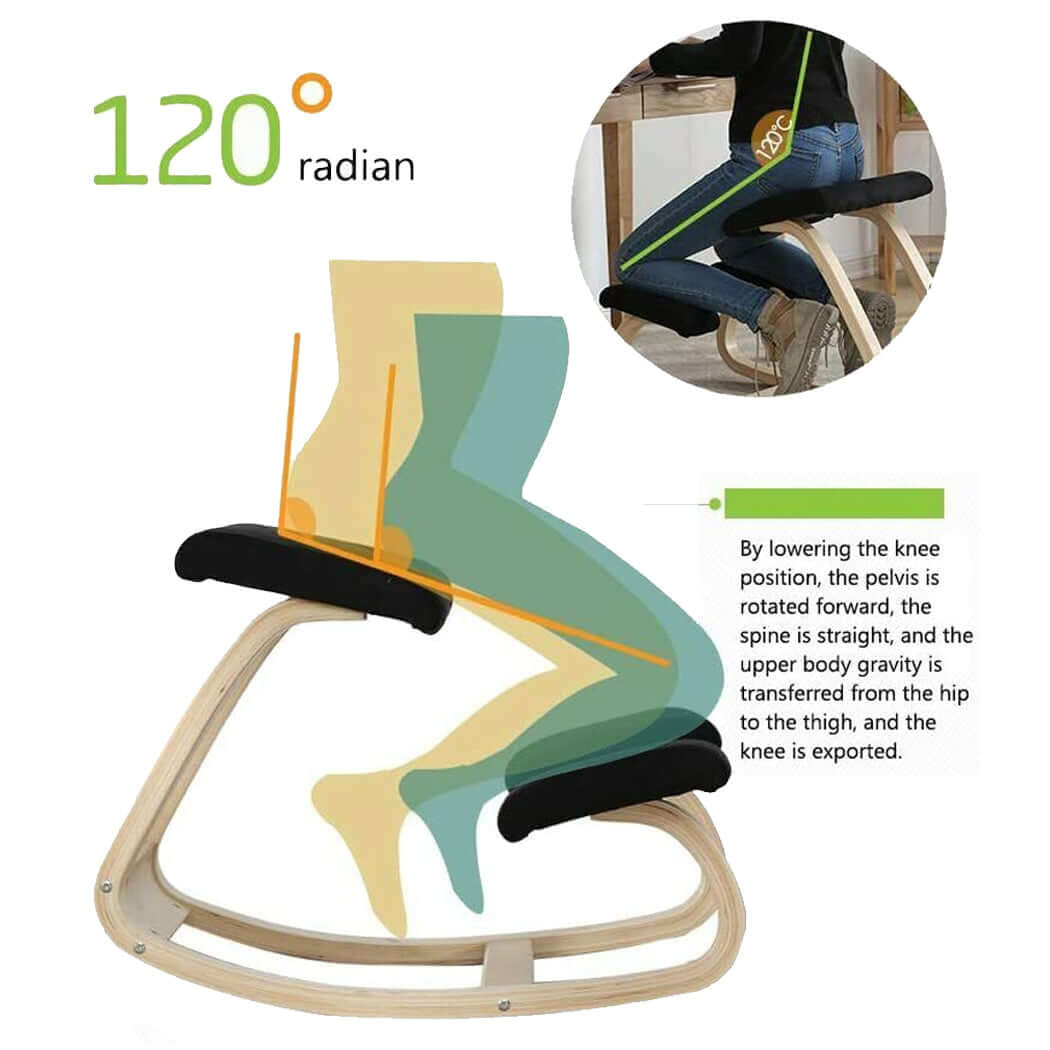
Kneeling chairs are shaped to open the hip angle and shift weight distribution so the spine faces less pressure. That design encourages an upright posture, which often means less backache and greater comfort during long desk sessions. When people feel physically better, concentration and output tend to improve.
How Does an Ergonomic Kneeling Chair Improve Posture and Reduce Back Pain?
The forward-tilt and knee support on these chairs position the pelvis to help align the lumbar spine. Compared with many conventional office chairs, users frequently report reduced discomfort and a steadier posture over the working day. For some people, this means less pain and more consistent energy across tasks.
In What Ways Do Kneeling Chairs Boost Focus and Energy Levels?
By encouraging a more upright position, kneeling chairs can improve circulation and oxygen flow — both important for alertness. Many users describe feeling more engaged and “active” while seated on these chairs, which helps sustain focus and can create a livelier, more productive workspace.
How Can Ergonomic Kneeling Chairs Be Integrated into Modern Commercial Office Designs?
Adding kneeling chairs into a commercial fit-out takes some planning. Consider traffic flow, desk heights and the mix of roles that will use them. When integrated thoughtfully, they become a flexible option alongside traditional seating and standing desks, rather than a one-size-fits-all replacement.
This method reflects a broader move toward adaptive design — furniture that flexes to meet varied user needs in modern workspaces.
What Practical Considerations Should Businesses Know When Adding Kneeling Chairs?
Practical setup matters. Check available floor space, decide how many chairs make sense, and provide basic guidance on correct use so staff get the benefit without strain. Also, review how kneeling chairs pair with existing desks, screens and chairs to keep the workspace cohesive.
How Do Kneeling Chairs Complement Other Ergonomic Office Furniture?
Kneeling chairs work well alongside sit-stand desks, adjustable monitors and other ergonomic tools. Offering multiple seating options encourages movement and reduces the risks associated with static postures. A mixed approach delivers a more holistic ergonomic strategy for wellbeing and productivity.
Integrating Ergonomic Kneeling Chairs into Your Home Office
With the rise of remote work, creating an ergonomic home office setup is more important than ever. Kneeling chairs offer a unique solution for home users looking to improve posture and comfort without committing to a full office redesign. They can be a valuable addition to a personal workspace, promoting better habits and reducing strain during long hours at the desk.
Key Considerations for Home Office Users
When integrating a kneeling chair into a home office, consider the available space and how the chair will fit with your existing desk and decor. Unlike commercial settings, home offices often have tighter constraints and a greater emphasis on aesthetics. Ensure your desk height is compatible, and think about how the chair's design complements your home environment. Personal comfort is paramount, so it's often beneficial to try a kneeling chair for short periods to assess its suitability for your individual needs and work routine.
What Is the Return on Investment of Using Ergonomic Kneeling Chairs in Commercial Fit-outs?
When the goal is a healthier, more comfortable staff, kneeling chairs can be a valuable part of the solution. By easing discomfort and supporting posture, they often help reduce absenteeism and can contribute to higher employee satisfaction — both of which contribute to overall business success.
How Do Ergonomic Chairs Reduce Absenteeism and Improve Employee Retention?
Many businesses find that ergonomic interventions — including better seating — can reduce complaints related to posture and pain. Staff who feel supported by their workplace are more likely to stay, which can help reduce recruitment and training costs over time.
What Productivity Gains Can Businesses Expect from Ergonomic Seating Solutions?
Productivity gains vary by organisation and role, but many businesses observe improvements when discomfort is reduced and workers can concentrate better. While specific outcomes differ, the combination of better focus, fewer breaks for pain and improved morale often makes ergonomic seating a sensible choice for organisations.
Why Choose Terra Wellness for Ergonomic Kneeling Chair Solutions in Commercial Projects?
Terra Wellness specialises in practical ergonomic solutions designed around natural movement and long-term wellbeing. We help organisations create workspaces that support health and performance, bringing a balanced, evidence-informed approach to every project.
What Expertise Does Terra Wellness Offer in Workplace Ergonomics?
Our team combines clinical insight with commercial fit-out experience. We draw on current knowledge and real-world practice to recommend products and layouts that suit each workplace — not one standard solution for all.
How Does Terra Wellness Support Businesses with Consultation and Installation?
Beyond supply, Terra Wellness offers consultation services: we assess workplace needs, advise on product selection and assist with installation so that ergonomic changes are practical and lasting. Our aim is a smooth transition to a healthier workspace.
What Are Common Questions About Using Ergonomic Kneeling Chairs in Offices?
Below are answers to the frequent questions we hear from employers, staff, and home workers when considering kneeling chairs.
How Should Employees Sit Correctly on a Kneeling Chair?
Sit with your hips slightly higher than your knees and your weight shared between the seat and the knee pad. Keep the spine neutral and adjust the chair height so your feet rest comfortably when needed. Simple guidance and short practice sessions help staff use the chair safely and effectively.
Are Kneeling Chairs Comfortable for Long Work Hours?
Many people find kneeling chairs comfortable once they adapt. Start with short sessions — 30–60 minutes — and alternate with conventional seating. Regular movement and correct adjustments are key to making them a practical option for longer use.
Frequently Asked Questions
What types of workplaces benefit most from ergonomic kneeling chairs?
Workplaces with extended desk-based tasks gain the most from kneeling chairs — think corporate offices, design studios, co-working spaces, and increasingly, **home offices**. Individuals and teams that value wellbeing and flexible work setups, such as those in tech and creative industries, often see strong benefits when these chairs are part of a broader ergonomic approach.
Can ergonomic kneeling chairs be used by everyone?
Not every person will find a kneeling chair suitable. Anyone with significant knee problems or specific back conditions should check with a healthcare professional first. Employers and individuals should offer or choose seating options so staff and home workers can pick what works best for them.
How do ergonomic kneeling chairs compare to traditional office chairs?
Kneeling chairs alter weight distribution and encourage a more open hip angle, which can reduce spinal loading compared with some traditional chairs. That said, both styles have advantages — the best choice depends on individual comfort, job tasks and the broader furniture mix in the workplace.
What adjustments can be made to enhance comfort when using a kneeling chair?
Ensure proper height so knees rest comfortably and hips are slightly elevated. A soft cushion on the knee pad can help. Alternate seating positions and take regular breaks to avoid fatigue during long work periods.
Are there any specific maintenance tips for ergonomic kneeling chairs?
Keep surfaces clean with appropriate cleaners and inspect moving parts regularly. Check height-adjust mechanisms and fastenings, and repair or replace worn components promptly to maintain safe, effective support.
What is the ideal duration for using a kneeling chair each day?
Start with short periods (30 minutes to an hour) and increase use gradually as comfort allows. Alternating between kneeling and traditional seating during the day helps prevent overload and supports better long-term comfort and productivity.