






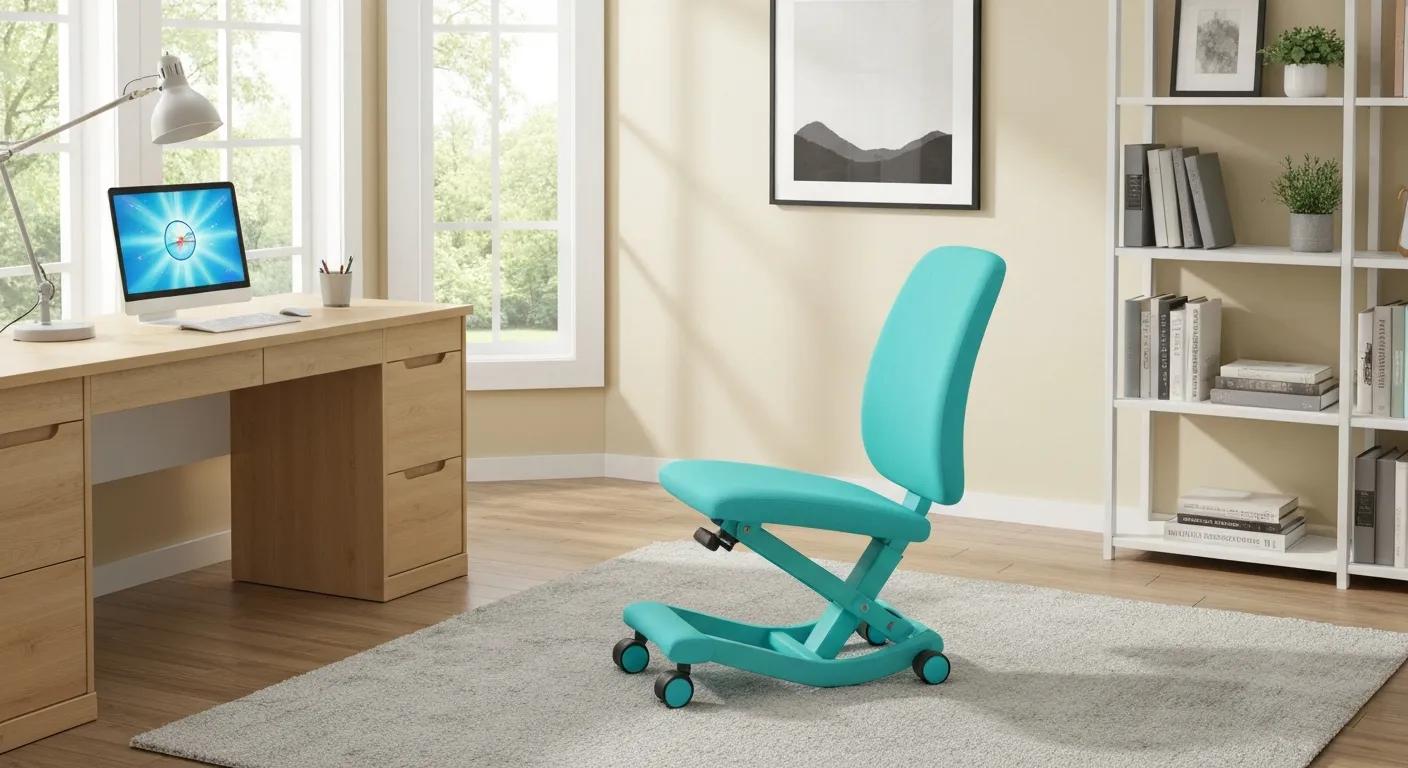
A kneeling chair is an ergonomic seat that opens the hip angle and redistributes body weight between the buttocks and shins to reduce lumbar pressure and encourage a more upright posture. This guide explains how kneeling chairs work, the primary benefits for lower back pain and posture, practical guidance on correct use and session timing, and the key features to prioritise when choosing one. Many Australians seek natural, at-home solutions to sitting-related discomfort; changing hip angle and encouraging active sitting can ease compressive forces on lumbar discs and reduce slouching. You'll discover the biomechanical advantages, a clear how-to for getting started, a feature-driven checklist, and what users in Australia truly experience. Dive in for concise benefit lists, step-by-step usage instructions, and practical comparisons to help you decide if a kneeling chair is the perfect fit for your daily routine.
What Are the Key Benefits of Using a Kneeling Chair for Back Pain and Posture?
A kneeling chair changes the hip-to-torso relationship by tilting the pelvis forward, which promotes a neutral lumbar curve and reduces compressive load on lower spinal segments. This mechanism reduces slouching and shares weight between the seat and knee rest, which can ease pressure on intervertebral discs while encouraging core muscle engagement and improved circulation. The primary benefits combine biomechanical effects with practical outcomes for desk workers and home-office users. Below is a concise list that summarises the most common advantages to help you evaluate whether a kneeling chair addresses your needs.
Kneeling chairs provide several direct benefits linked to posture and pain reduction:
- Improved spinal alignment and reduced slouching during seated work.
- Lower lumbar decompression through weight redistribution and forward pelvic tilt.
- Increased core engagement that supports active sitting and posture endurance.
- Enhanced circulation and reduced fatigue from micro-movements in dynamic models.
These benefits lead naturally to practical recommendations on how to use a kneeling chair correctly to maximise outcomes.
How Does a Kneeling Chair Alleviate Lower Back Pain?

Kneeling chairs alleviate lower back pain by redistributing compressive forces away from the lumbar discs and promoting a more neutral spine position during sitting. The forward-sloping seat opens the hip angle and reduces posterior pelvic tilt, which decreases the tendency to slump and lowers intradiscal pressure; in short, the Kneeling chair → reduces → lumbar compressive load. Many users report faster posture awareness and reduced end-of-day soreness when they alternate seated positions and maintain movement. For people with sitting-related pain, the immediate takeaway is to start with short sessions and monitor the reduction in discomfort while progressing gradually to longer use.
| Mechanism | Effect on Spine | Expected Benefit |
|---|---|---|
| Forward-sloping seat | Opens hip angle and tilts pelvis anteriorly | Reduces lumbar flexion and slouching |
| Weight redistribution | Shares load between the seat and the knee rest | Lowers compressive disc forces |
| Dynamic base (rocking) | Encourages micro-movement | Reduces stiffness and improves circulation |
This table summarises how specific design elements change spinal loading and why those changes matter for pain relief.
In What Ways Does a Kneeling Chair Improve Posture and Spinal Alignment?
A kneeling chair improves posture by encouraging an upright trunk and activating postural muscles that maintain lumbar lordosis, producing a better head-to-shoulder alignment over time. The seat geometry creates a biomechanical cue: pelvis forward, spine neutral, core engaged — Pelvis position → influences → lumbar curvature. Practically, users often notice less forward head posture and fewer compensatory shoulder elevations after regular, moderate use. For posture training, the key is consistency with frequent short sessions and conscious alignment checks to translate seated gains into standing posture improvements.
How Do You Use a Kneeling Chair Correctly to Maximise Its Benefits?
Using a kneeling chair correctly requires precise positioning, controlled transitions, and sensible session durations to allow muscles to adapt without overloading the knees or hip flexors. Begin with the recommended seating sequence, maintain neutral spine alignment, and incorporate movement breaks; this approach supports sustained benefits and reduces adaptation strain. The steps below offer clear, actionable guidance for beginners and experienced users alike, ensuring you get the most from your kneeling chair.
- Set up: Adjust the seat height so your hips are slightly higher than your knees before sitting.
- Mount the chair: Sit on the forward-sloping seat, then gently position your shins on the knee pads without sinking weight into the knees.
- Align posture: Keep a neutral spine, draw shoulders down, and engage core muscles lightly to support the trunk.
- Transition and move: Stand and move every 20–30 minutes; start with 15–30 minute seated blocks and increase gradually.
These steps reduce common errors like slumping or leaning on the knee pads and lead directly into guidance about ideal session lengths and progression.
| Step | Focus | Expected Outcome |
|---|---|---|
| Set up | Seat height and hip-to-knee angle | Correct ergonomic fit for spine alignment |
| Mount | Positioning sequence | Even weight distribution, reduced knee loading |
| Align | Posture cues and core engagement | Sustained neutral lumbar curve |
| Transition | Movement breaks | Reduced stiffness and safe adaptation |
This compact reference helps you scan the core routine for safe, effective use and prepares you for the recommended duration strategy.
What Is the Proper Sitting Position on a Kneeling Chair?
The proper sitting position places the hips slightly above the knees with the pelvis tilted forward and shins comfortably resting on padded knee supports, which together maintain a neutral lumbar lordosis. Your weight should be primarily on the seat, not on the knees; avoid leaning forward or collapsing the chest. Keep the head aligned over the shoulders and the shoulders relaxed to prevent upper back strain, and use micro-movements or a rocking base to reduce static load. Practising this posture in short sessions helps the neuromuscular system learn the new alignment and reduces the risk of transferring strain to other joints.
How Long Should You Sit in a Kneeling Chair for Best Results?
Start conservatively: begin with 15–30 minute sessions and gradually increase to 1–2 hours as your core and postural muscles adapt, alternating with a conventional chair or standing periods. Frequent movement and breaks are essential; aim to change posture or stand briefly every 20–30 minutes to avoid knee or hip discomfort and to maintain circulation. If you notice knee pressure, shift weight back to the seat or reduce session length until adaptation occurs. Over weeks, progressive exposure builds endurance and makes the kneeling posture a sustainable part of a healthy sitting routine.
Which Features Should You Look for When Choosing the Best Kneeling Chair for Posture?

Choose a kneeling chair that offers clear adjustability, comfortable padding, and a stable but dynamic base to suit your body shape and work habits. Adjustability ensures the chair fits varying hip-to-knee ratios and accommodates different desk heights; a padded knee rest protects the shins and prevents pressure points. A rocking or dynamic base supports micro-movement, reducing stiffness and encouraging circulation during seated work. Below is a practical checklist of features to prioritise when comparing models.
Key features to prioritise when shopping:
- Adjustable height and seat tilt to match hip-knee geometry for correct pelvic tilt.
- Comfortable, high-density seat foam with durable, breathable cover for longer sessions.
- Rocking or dynamic base option to promote micro-movements and reduce stiffness.
- Robust frame and quality fittings to ensure stability and safe weight distribution.
These feature priorities map directly to the biomechanical benefits described earlier and lead into a short comparison that ties feature choices to outcomes.
| Feature | Attribute | Benefit |
|---|---|---|
| Adjustable Height | Fits varying hip-to-knee ratios | Correct pelvic tilt and spinal alignment |
| Rocking Base | Allows micro-movement | Reduces stiffness and improves circulation |
| Padded Knee Rest | Dense foam padding | Lowers pressure points and increases comfort |
| Breathable Cover | Fabric choice and ventilation | Longer comfortable sessions, less heat build-up |
What Are the Benefits of Adjustable and Rocking Kneeling Chairs?
Adjustable kneeling chairs match individual anthropometry, ensuring the hip angle and seat position support an upright spine rather than forcing a single posture for all users. Rocking bases introduce subtle motion that keeps core and postural muscles engaged and prevents the static loading that causes stiffness; Dynamic base → encourages → consistent micro-movements. For a mixed-use home office, an adjustable, rocking design supports varied tasks—short focused work, longer creative sessions and quick stand breaks—while reducing the risk of discomfort from prolonged static positions.
How Does Material and Design Affect Comfort and Support?
Material choices influence immediate comfort and long-term support: high-density foam maintains shape and support, while softer foams feel pleasant initially but may compress over time and reduce pelvic positioning accuracy. Breathable covers and moisture-wicking fabrics improve comfort during longer sessions and in warmer climates, and sturdy frame materials increase durability and stability. Prioritise foam density and cover breathability over purely aesthetic finishes to preserve ergonomic function and comfort across daily use.
What Do Australian Users Say About Kneeling Chairs for Back Pain Relief?
Australian users commonly report noticeable posture improvements and reduced sitting discomfort after adopting kneeling chairs, often after an initial adaptation period that requires limiting session length and alternating postures. Local feedback highlights benefits for home-office routines and for people seeking natural, at-home ergonomics rather than medical interventions. Reviews also note the importance of proper adjustment and gradual use to avoid knee or hip strain, which aligns with guidance on adaptation and pacing. Let's explore how a leading local product is designed to meet the needs of Australian customers.
Customer experience themes from Australia include:
- Reduced lower-back soreness and improved posture awareness after consistent short sessions.
- An adaptation period where users increase session length gradually to build tolerance.
- Positive notes about dynamic models for reducing stiffness and maintaining focus.
What Are Common Customer Reviews and Experiences in Australia?
Australian customers frequently describe an initial adjustment phase lasting days to weeks, followed by sustained posture benefits and less end-of-day fatigue when they use kneeling chairs regularly and alternate with other seating. Common praise centres on improved upright sitting and quicker posture correction, while common cautions advise starting with short sessions and ensuring correct fit to avoid discomfort. For Australians, considerations such as breathable materials for warmer homes and local customer support are often mentioned as useful purchasing criteria, which naturally leads to how local providers showcase their commitment to quality and customer satisfaction.
How Does Terra Wellness’s Ergonomic Kneeling Chair Stand Out?
Terra Wellness offers an ergonomic kneeling chair designed for Australian home use, emphasising natural and holistic wellness through superior ergonomic design for pain relief. We stand by the quality and effectiveness of our products, ensuring you receive a solution that truly supports your well-being. Their product attributes—adjustability, padded knee rest, and optional rocking base—match the features described earlier that map directly to improved posture and lumbar decompression. This local focus provides a practical option for Australians seeking a science-grounded, natural solution to sitting pain, allowing you to experience the benefits with confidence.
- Terra Wellness emphasises natural, science-backed ergonomics.
- Product attributes include adjustability, a padded knee rest and a rocking option.
- Our commitment to quality ensures you invest in a lasting solution for your comfort.
These points make Terra Wellness a contextual example of a supplier aligned with the feature and usage guidance given above.
This final section summarises the main practical steps and product considerations to help you decide whether a kneeling chair is right for your back pain and posture goals.