




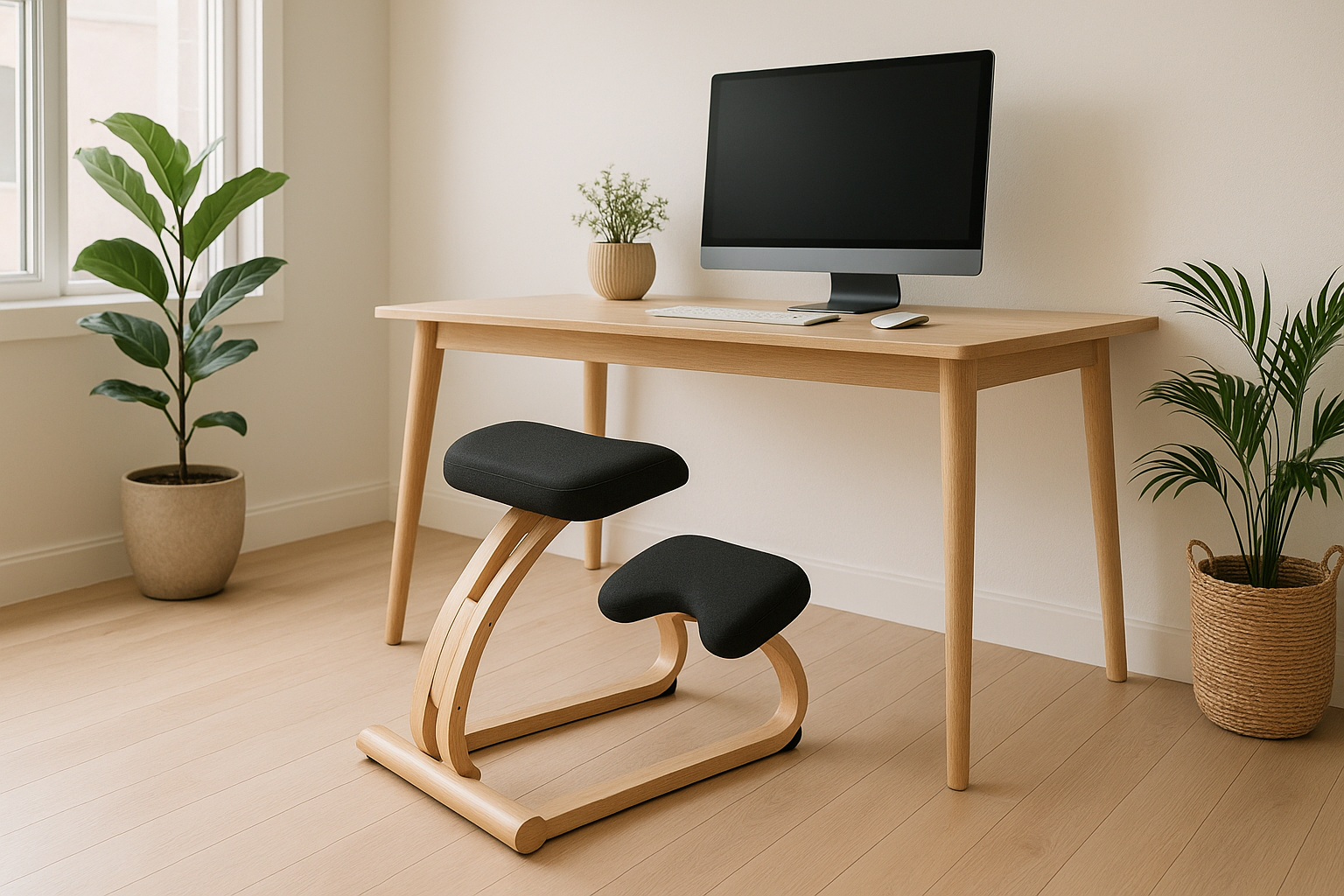
Long hours at a desk can take a toll on your body — sore back, tight hips, stiff shoulders, and that familiar afternoon slump. Whether you’re working from home, studying, or managing projects in an office, posture plays a crucial role in how you feel and perform each day. That’s where a kneeling chair comes in — a simple yet transformative ergonomic solution designed to support natural posture, relieve strain, and encourage active sitting.
Across Australia, more people are trading in their traditional desk chairs for kneeling designs that align the spine and strengthen core muscles, offering comfort that feels surprisingly energising rather than restrictive.
What Is a Kneeling Chair?
A kneeling chair is an ergonomic seating option that positions the body differently from a standard office chair. Instead of a flat seat and high backrest, it features a forward-tilted seat with padded knee or shin rests. This design tilts the pelvis slightly forward, promoting a natural S-curve in the spine — similar to how your body aligns when standing.
The result? Reduced lower-back pressure, improved posture, and active engagement of your core muscles. It’s a concept that’s been refined over decades, inspired by Scandinavian design principles and modern ergonomic science.
The Problem With Traditional Chairs
Conventional office chairs often encourage slouching. As you sit for long periods, the pelvis rotates backward, flattening the spine’s natural curve. Over time, this posture places pressure on the lower back, tightens hip flexors, and can lead to fatigue, neck pain, and even reduced breathing capacity.
For remote workers, students, or creatives who spend hours at their desks, this can quickly add up to chronic discomfort. A kneeling chair counteracts that by encouraging a more upright, dynamic posture that feels natural and sustainable.
How a Kneeling Chair Works
The unique design of a kneeling chair shifts the body’s weight between the seat and knee pads, redistributing pressure away from the lower spine. By tilting the seat forward, it naturally encourages the spine to maintain its optimal alignment. This positioning reduces strain on back muscles and encourages small postural adjustments throughout the day — helping the body stay active, even while sitting.
In short, a kneeling chair:
- Supports a neutral spine
- Engages the core and thighs
- Reduces static pressure on the lower back
- Improves breathing and circulation
- Encourages better focus and alertness
It’s a way to sit that works with your body, not against it.
The Benefits of Using a Kneeling Chair
1. Improved Posture and Core Strength
When seated in a kneeling chair, your spine remains aligned, and your abdominal and back muscles naturally activate to maintain balance. Over time, this strengthens your core and improves posture even when you’re not sitting.
2. Reduced Lower Back Pain
Many users report significant relief from lower-back discomfort after switching to a kneeling chair. Supporting an open hip angle and upright posture, it alleviates pressure on the lumbar spine.
3. Enhanced Circulation
The forward-tilted design encourages better blood flow through the legs and torso, which can help combat fatigue and boost energy levels during long workdays.
4. Increased Focus and Productivity
When your body feels supported and comfortable, your mind can stay alert. The upright posture promotes better oxygen intake and mental clarity, helping you maintain focus for longer.
5. Compact and Stylish Design
With their minimalist frames and sleek lines, kneeling chairs fit beautifully into modern home offices. Many models are lightweight and easy to move, perfect for flexible workspaces or shared environments.
Is a Kneeling Chair Right for You?
A kneeling chair is ideal for anyone looking to improve posture, relieve discomfort, or simply change the way they sit. It’s particularly beneficial for:
- Office workers who spend long hours at computers
- Remote workers and freelancers are creating ergonomic home setups.
- Students studying for extended periods
- Artists, designers, and creators who need free upper-body movement
- People with mild back or hip discomfort seeking supportive seating
That said, it’s important to transition gradually. As your core muscles adapt, start with shorter sitting sessions (20–30 minutes) and build up over time.
How to Use a Kneeling Chair Correctly
To get the most out of your new ergonomic setup, a few adjustments make all the difference:
- Set the seat height so your thighs are angled down at roughly 60–70 degrees.
- Rest your shins lightly on the pads — they’re for support, not full weight-bearing.
- Keep your back relaxed and upright. The design naturally encourages alignment, so avoid over-straightening.
- Alternate positions — stand up, stretch, or use a standard chair for part of the day.
- Stay mindful of your posture — even with good design, movement is key.
Many Australians find that alternating between a kneeling chair and a standing desk offers the perfect balance of comfort and mobility throughout the day.
Different Types of Kneeling Chairs
There are several variations to suit personal needs and preferences:
- Fixed kneeling chairs: The original design — simple, sturdy, and stable. Ideal for home offices or study nooks.
- Rocking kneeling chairs: Feature a curved base that allows gentle motion, engaging your core even more actively.
- Adjustable kneeling chairs: Offer height and angle flexibility for different desk setups.
- Ergonomic wheeled models: Combine mobility with posture benefits, making them perfect for multitasking workspaces.
Choosing the right type depends on how and where you’ll use it most — whether it’s for focused desk work, creative projects, or general home office comfort.
Choosing a Quality Kneeling Chair
When selecting a kneeling chair, prioritise build quality, comfort, and adjustability. Look for:
- Strong frame materials – Metal or reinforced wood frames provide long-lasting support.
- High-density cushioning – Ensures comfort without flattening over time.
- Smooth, ergonomic design – Supports natural posture transitions.
- Fabric and finish – Breathable upholstery, preferably in natural tones that suit Australian interiors.
- Ease of assembly – Simple setup and clear instructions.
It’s worth investing in a chair that feels stable and supportive — a well-made model can last for years while promoting long-term comfort and wellbeing.
Pairing With the Right Desk Setup
A kneeling chair works best when paired with an appropriate desk height. Because you sit slightly lower than in a traditional chair, ensure your workstation allows your forearms to rest parallel to the desk surface. Adjustable desks or monitor risers can help achieve the ideal setup.
Adding a ground mat or foot rest nearby can further enhance comfort, giving you the freedom to move and stretch as you work.
Transitioning Gradually
If you’re used to sitting in a traditional chair, your body might need time to adapt. Start with shorter sessions — 15 to 30 minutes at a time — and increase gradually. This approach allows your muscles to strengthen naturally and prevents fatigue.
Many people notice subtle improvements in posture and comfort within the first week, with lasting benefits building over time. The key is consistency, not intensity.
The Australian Work-from-Home Revolution
Remote work has become a defining part of modern Australian life. With more people setting up home offices, ergonomic awareness has never been more important. The kneeling chair fits perfectly into this shift — compact, stylish, and designed for movement.
Unlike bulky office chairs that dominate small spaces, kneeling chairs complement minimalist interiors and encourage a more mindful approach to work. They remind you to stay present in your body — not just your inbox.
Combining Movement and Mindfulness
Healthy posture isn’t just about sitting correctly — it’s about staying connected to your body. The dynamic balance of a kneeling chair keeps you engaged without forcing rigidity. Pairing it with mindful practices can elevate its benefits even further:
- Take regular stretch breaks — shoulder rolls, hip openers, or a quick walk.
- Breathe consciously — upright posture encourages deeper breathing and better oxygenation.
- Alternate positions — balance kneeling sessions with standing or light walking.
- Use grounding mats or ergonomic foot rests for added comfort and energy flow.
This holistic approach turns your workspace into a space of wellbeing, not just productivity.
Who Should Be Cautious
While kneeling chairs are suitable for most people, those with knee injuries, joint pain, or circulation issues should seek professional advice before use. Proper adjustment and gradual adaptation help minimise discomfort.
If you ever feel pressure or numbness, take breaks, stretch your legs, and ensure your seat angle and height are correctly set.
Caring for Your Kneeling Chair
A little upkeep goes a long way toward extending your chair’s lifespan:
- Wipe wooden or metal frames with a soft, damp cloth.
- Spot-clean fabric or cushions using mild soap and water.
- Avoid leaving the chair in direct sunlight for prolonged periods.
- Periodically check screws and bolts for tightness.
With minimal maintenance, your kneeling chair will remain a dependable part of your wellness-focused workspace for years to come.
The Connection Between Posture and Wellbeing
Good posture doesn’t just improve comfort — it influences mood, confidence, and energy. When your body is properly aligned, your breathing deepens, your focus sharpens, and your body feels lighter. Over time, posture becomes a habit — one that shapes how you move, think, and even interact with others.
By investing in an ergonomic setup that includes a kneeling chair, you’re not just improving your workspace — you’re nurturing your long-term health and happiness.
Testimonials From Everyday Australians
From Sydney designers to Melbourne entrepreneurs, Australians are sharing how kneeling chairs have improved their daily lives. Many report less back strain, better focus, and even a newfound appreciation for mindful movement.
While results vary, one thing remains consistent — a sense of empowerment from taking control of comfort and well-being during work hours. For many, it’s not just a chair; it’s a daily reminder to sit better, breathe better, and live better.
Work Comfortably, Live Better
Your workspace should support you, not exhaust you. A kneeling chair offers a simple, effective way to align your posture, strengthen your body, and stay comfortable through every task. Whether you work from home, run your own business, or study for hours, investing in your comfort is an investment in your wellbeing.
Small changes can have big impacts — and the right chair might just transform the way you feel each day. Sit tall, stay balanced, and enjoy the comfort of movement wherever work takes you.