





Portable Ice Baths vs Traditional Recovery Methods — Practical Muscle‑Recovery Solutions for Australians
Portable ice baths — also called portable cold plunges — are foldable tubs for short cold‑water immersion, used to speed recovery and support wellbeing. We'll explore how portable ice baths stack up against traditional recovery methods, explain the magic behind cold exposure, and show you how easy it is to fit at-home cold therapy into your busy Australian life. You’ll learn how cold immersion can reduce muscle soreness and inflammation, when traditional tools like stretching, massage and heat still make sense, and how to combine approaches safely to improve sleep and resilience. We'll give you practical steps and offer beginner guidance for using a portable ice bath at home, like those from Terra Wellness. The focus is always pragmatic for athletes and active Australians seeking accessible recovery options.
What Are Portable Ice Baths and Their Benefits for Recovery?
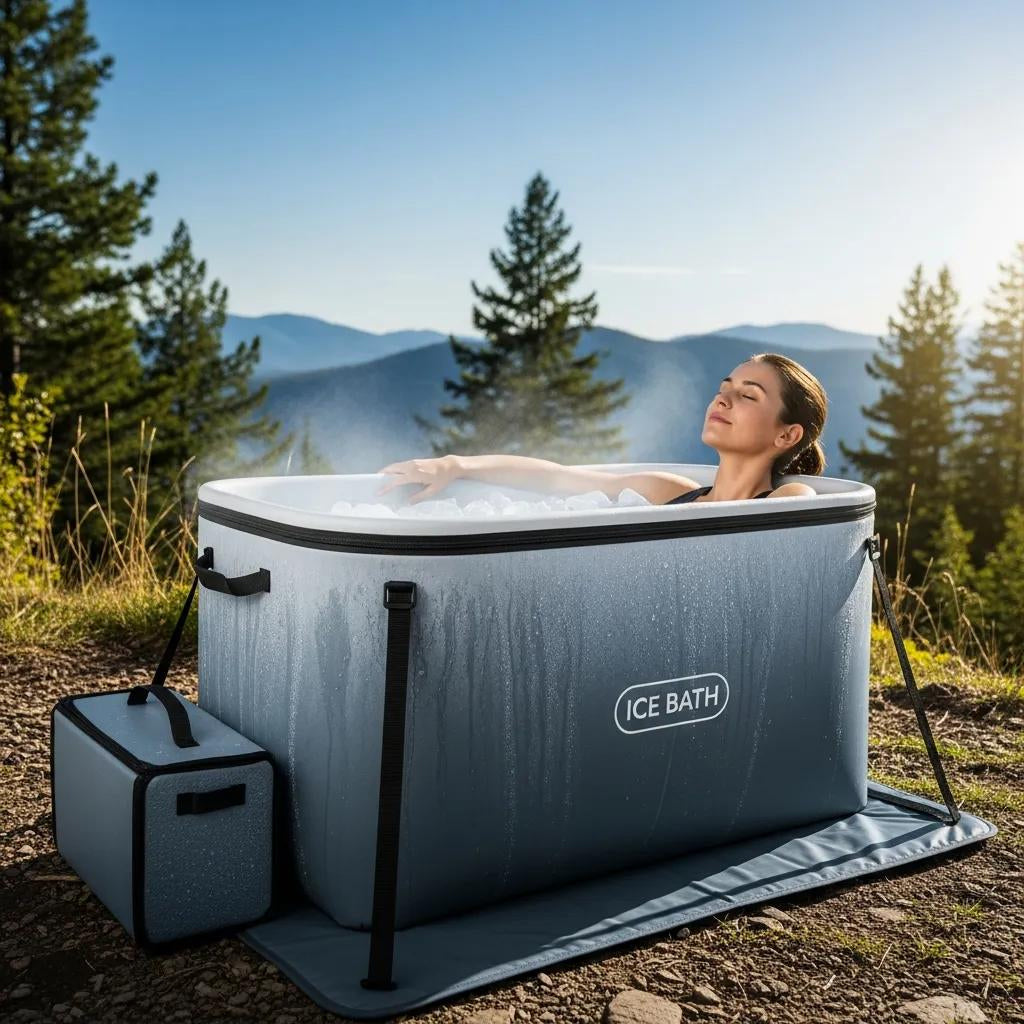
Portable ice baths are mobile tubs that let you do cold‑water immersion at home or on the road. They work just like fixed cold plunges: that rapid cooling of your skin and muscles kick-starts your body's natural responses. That immediate cooling can reduce local blood flow and activity in inflamed tissue, lowering swelling and the feeling of soreness while encouraging endorphin release that lifts mood. Portable designs focus on insulation, a hard‑wearing lining, easy drainage and compact storage — practical features when a permanent plunge isn’t possible. These practical features help explain why cold plunges are increasingly popular for post-exercise recovery, mental clarity, and even better sleep.
Getting the best out of your portable unit depends on when you use it, the water temperature, and how regularly you plunge. These choices help you decide if a cold plunge is best for quick soreness relief or as part of your longer-term recovery routine. Next up, we'll dive into how cold immersion helps your muscles repair and keeps inflammation in check.
How Do Portable Ice Baths Support Muscle Recovery and Inflammation Reduction?

Cold‑water immersion helps you recover mainly by narrowing blood vessels, easing the demand on affected tissue, and helping to manage inflammatory signals — all of which reduce swelling and how much pain you feel. This temporary narrowing of blood vessels limits fluid build‑up after intense exercise, while the rebound widening of blood vessels after exiting the plunge can help clear metabolic by‑products. At the same time, cold exposure activates your nervous system and boosts endorphins, which can blunt pain and lift mood. Session length is flexible: beginners usually start with two to ten minutes, while experienced users might go for longer, controlled sessions. Always watch for numbness or dizziness, progress slowly, and stop and seek medical advice if serious symptoms occur.
These benefits link directly to the features that make our portable units so handy at home, which we'll cover next to help you make smart choices.
What Features Make Our Portable Ice Baths Ideal for At‑Home Cold Therapy?
The best portable ice baths strike a great balance between insulation, quick setup, easy drainage and durable materials. Our units are crafted from durable materials, focusing on portability and simple assembly. Key features people value include a tough lining that stands up to repeated filling and draining, integrated drainage to make emptying easier, compact fold‑away storage for small homes, and thoughtful material choices for a better experience. Easy access to at-home cold therapy also makes it simple to give it a go.
These practical features support safe, repeatable practice at home and lead naturally into a comparison with traditional recovery options, helping you choose what suits your needs.
| Product Feature | Characteristic | Practical Benefit |
|---|---|---|
| Insulation/lining | Durable materials | Keeps water cold longer and resists wear |
| Drainage | Integrated outlet or plug | Makes emptying simple and avoids heavy lifting |
| Portability | Foldable/compact storage | Fits small homes and is easy to transport |
| Accessibility | Easy to get started | Makes trying at‑home cold therapy low-risk |
This table shows how hardware choices affect everyday usability and maintenance for at‑home cold therapy. Next, we contrast portable ice baths with common traditional recovery methods used across Australia.
Which Traditional Recovery Methods Are Commonly Used in Australia?

Common recovery approaches in Australia include stretching (static and dynamic), manual therapies such as massage and myofascial release, heat‑based options like hot baths and saunas, and rest or active recovery through low‑intensity movement. Each method works in its own way — heat and hands‑on therapy boost local circulation and tissue pliability, stretching improves range of motion and muscle coordination, and rest lets the body adapt systemically. Heat often features before activity to warm tissue, while massage is typically used for deeper tension and mobility work. Understanding these roles makes it easier to see how cold immersion can complement, rather than replace, traditional methods.
Below, we outline how stretching, massage and heat therapy support post‑exercise recovery and when they’re most useful.
How Do Stretching, Massage, and Heat Therapy Aid Post‑Exercise Recovery?
Stretching — both static and dynamic — helps maintain and improve range of motion and joint health; it also assists your muscles and brain to work better together when used within a training plan. Massage and manual therapies promote relaxation, reduce perceived tension and can enhance circulation, supporting nutrient delivery and waste removal from muscle tissue. Availability and cost can vary. Heat therapy raises tissue temperature, increasing blood flow, easing stiffness and often offering subjective relief for chronic tightness or preparing for activity. Timing matters: use heat before intense effort, and avoid heat immediately after acute trauma, when more blood flow can increase swelling.
With those strengths in mind, the next section looks at the limitations of traditional techniques compared with cold therapy.
What Are the Limitations of Traditional Recovery Techniques Compared to Cold Therapy?
Traditional approaches have benefits but also practical limitations when compared with cold immersion for quickly managing inflammation. Manual therapies often need bookings, time, and ongoing costs, which can make consistent use tricky for hobby athletes. Heat applied right after trauma can worsen inflammation by increasing blood flow. Stretching improves mobility but has a limited effect on immediate inflammation or rapid soreness relief after high‑intensity or eccentric sessions. Space and scheduling constraints for therapies like massage or sauna mean some people can’t access them regularly — making portable cold plunges an appealing on‑demand option.
These points lead us to a practical comparison of the trade-offs – convenience, cost, and effectiveness – between portable ice baths and traditional recovery methods.
How Do Portable Ice Baths Compare to Traditional Recovery Methods?
Portable ice baths stand out for fast inflammation control, home accessibility and predictable responses to cold. Traditional methods tend to deliver broader long‑term mobility and relaxation benefits. A fair comparison looks at convenience (home access versus appointments), ongoing time and financial considerations (a one-off equipment purchase versus repeated therapist visits), and effectiveness for goals like acute soreness, chronic tightness or sleep quality. For many Australians, the choice is situational: portable cold plunges are efficient for acute post‑exercise inflammation and a mood lift, while massage and heat remain valuable for deep tissue work and pre‑activity preparation. Maintenance — water, ice and cleaning for baths versus travel and bookings for therapies — is another practical factor to consider.
The table below gives a clear comparison to help weigh practical attributes across options.
| Recovery Approach | Typical Convenience | Primary Outcome |
|---|---|---|
| Portable Ice Bath | High (home setup) | Fast inflammation control, reduced soreness |
| Stretching | Very high (no equipment) | Mobility and injury prevention |
| Massage | Low–moderate (appointments required) | Tension release and circulation |
| Heat Therapy | Moderate (sauna/bath access) | Warm‑up and chronic stiffness relief |
| Rest / Active Recovery | High (self‑directed) | Systemic recovery and adaptation |
That comparison shows portable ice baths as a targeted, on‑demand tool within a broader recovery toolkit, while traditional methods address complementary needs. Next, we explore psychological and sleep benefits linked to cold immersion.
What Are the Key Differences in Convenience, Cost, and Effectiveness?
Convenience is a big differentiator: portable ice baths let you take repeatable sessions at home, whereas traditional therapies often need appointments and travel that interrupt regular use. Cost is another trade-off – equipment involves an initial investment plus occasional maintenance, while massage and similar treatments have ongoing fees. Which option is more cost-effective often depends on how frequently you use them. Effectiveness also varies by goal: cold immersion typically reduces acute soreness and helps manage inflammation faster after intense sessions, while heat and manual therapies are better for chronic stiffness, circulation and relaxation. Your goals and logistics should guide which approach gives the best return.
How Does Cold Water Immersion Enhance Mental Health and Sleep Quality?
Cold water immersion can boost mental health by giving your nervous system a short, sharp wake-up call, increasing feel-good endorphins, and helping you build better stress resilience over time. These internal changes can reduce perceived stress and boost mood, which in turn can help you fall asleep more easily and feel like you've had a better night's rest. Some people notice better sleep timing and deeper rest when cold therapy is part of an evening routine, though responses differ, and late‑night exposure may not suit everyone. Overall, the mental‑health benefits complement the physical gains and can support consistent training and recovery habits.
These psychological benefits help explain why cold therapy has become so popular in Australian wellness circles – let's explore that next.
Why Is Cold Therapy Gaining Popularity in Australian Wellness Practices?
Cold therapy’s rise in Australia reflects a growing interest in effective self‑care, easier access to portable recovery gear, and cultural trends around outdoor bathing and integrated wellbeing routines. Many people find stress reduction, mood improvement and better sleep are achievable outcomes, which fits with the holistic approaches many local providers promote. Market demand is also driven by practical consumer options that suit urban lifestyles — portable units, grounding accessories and sleep supports that can be combined into consistent routines. In short, cold therapy is being adopted as one part of rounded wellness strategies, not a cure‑all.
How Does Cold Therapy Fit into Holistic Wellness and Grounding Practices?
Cold therapy pairs well with grounding and other wellness practices by providing a sensory and physical reset that supports presence and your body's natural calming processes. Grounding tools, good hydration and sleep‑focused routines can widen the restorative window after a plunge, supporting nervous‑system balance and overall recovery. Simple routines — grounding before or after a cold plunge, light stretching and mindful breathing to steady heart rate, then hydration and a warm layer — are easy to adopt. This approach aligns with holistic philosophies that treat body, mind and environment together rather than as isolated fixes.
With these integrations in mind, let's look at some beginner tips for safely starting with portable cold plunges.
How Can Beginners Integrate Portable Ice Baths into Their Recovery Routine?
Beginners should progress gradually, prioritise safety and combine cold therapy with traditional recovery tools for balanced results. A starter plan focuses on short exposures, consistent timing (for example, after intense sessions), breathing techniques to manage discomfort, and simple maintenance for your unit. Pair cold plunges with light mobility, alternate‑day active recovery, and occasional heat or professional massage for persistent tightness to create a multimodal routine that respects different recovery mechanisms. Below are concrete steps and safety points to help you begin confidently within an Australian recovery plan.
What Are Practical Tips for Safe and Effective At‑Home Cold Therapy?
Safety and gradual progression matter. Start with short sessions of two to five minutes at comfortable temperatures (commonly 10°C to 15°C), use steady breathing and sit while immersing to reduce risk, and increase duration slowly as tolerance grows. If you have pre‑existing conditions, get medical advice before starting. Before each session, do a quick self‑check (heart rate, breathing, no dizziness), and make sure you have a warm, supervised place to exit and rewarm. After the plunge, do gentle movement, hydrate and layer clothing to restore body temperature. Stop and seek professional help for severe pain, prolonged numbness or cardiovascular symptoms.
These guidelines lead to examples of how to combine cold therapy with traditional recovery methods over a week.
| Protocol Element | Cold Therapy (Beginner) | Traditional Method (Example) |
|---|---|---|
| Duration | 2–5 minutes initial exposure | 10–20 minutes of massage or stretching |
| Frequency | 2–4 sessions weekly after intense training | 1–3 sessions weekly, depending on access |
| Safety Considerations | Supervised start; monitor vitals | Practitioner screening for manual therapy |
This protocol comparison clarifies how cold and traditional methods can complement each other for new users.
How to Combine Portable Ice Baths with Traditional Recovery for Optimal Results?
Use methods strategically to maximise recovery: warm‑ups with heat before intense activity, cold immersion after sessions to control acute inflammation, and manual therapy or longer stretching on lighter days for mobility and deep tissue care. A sample week might alternate hard training with cold immersion immediately after heavy sessions, reserve massage or sauna for rest days, and keep daily mobility and sleep hygiene consistent. Tailor frequency to your goals — faster recovery, relaxation or improved sleep — and adjust based on how you feel and your training load.
If you’re testing at‑home options, our portable cold‑plunge equipment is crafted from durable materials and designed to be easy to get started with. This makes it simpler for Australians to try a portable ice bath, while keeping safety and personalisation front of mind.
Conclusion
Portable ice baths offer a convenient and effective solution for muscle recovery, helping to reduce inflammation and soreness while enhancing overall well-being. By integrating cold immersion into your routine, you can experience improved mental clarity and better sleep quality, making it a valuable addition to your recovery toolkit. Embrace the benefits of at-home cold therapy and explore our range of portable ice baths designed for easy use. Start your journey towards optimal recovery today!