





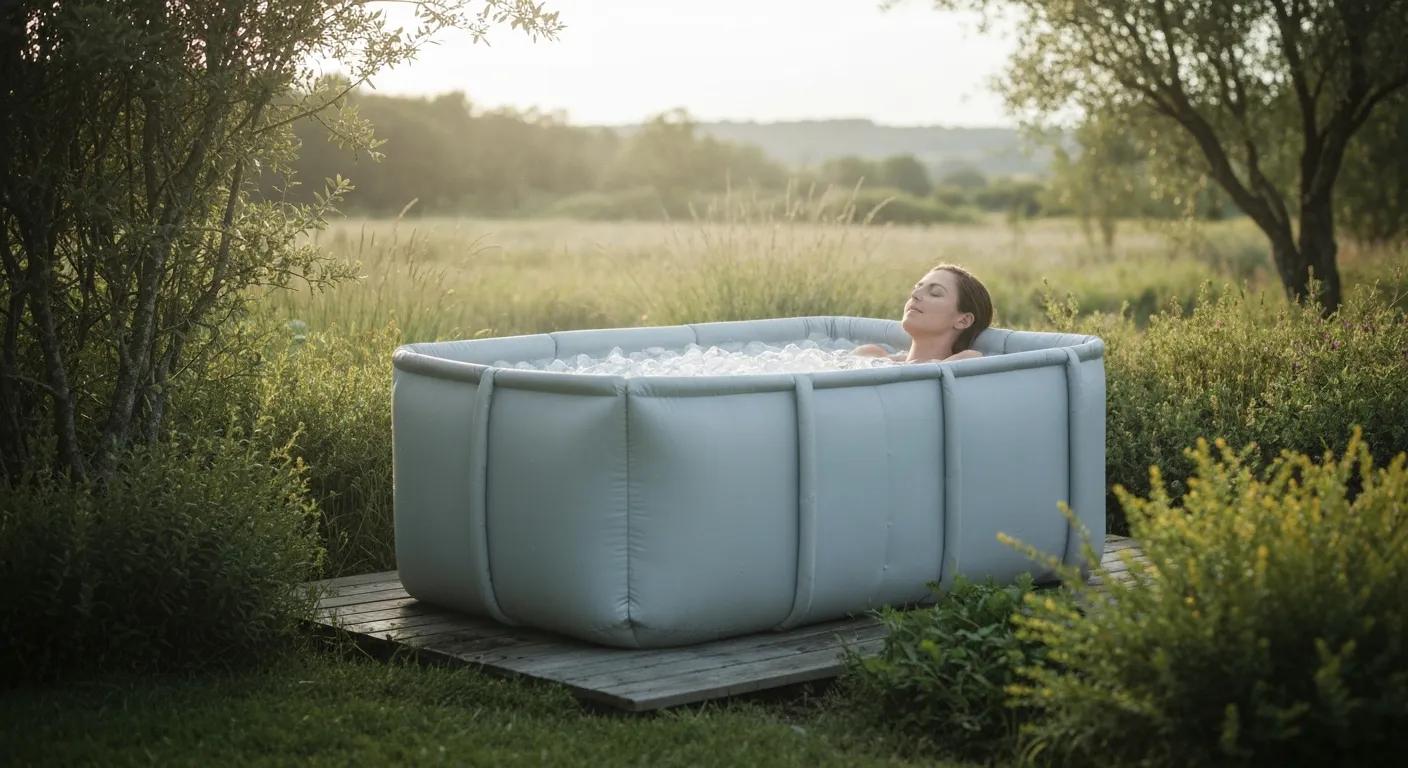
Portable ice baths—also called cold plunge tubs—are compact cold water immersion devices designed for home use that deliver the physiological benefits of cold water immersion (CWI) without the space or plumbing demands of permanent installations. They work by exposing the body to cold temperatures that trigger vasoconstriction followed by reactive vasodilation, reduce inflammatory signalling and stimulate neuromodulator release, delivering measurable gains in muscle recovery, stress resilience and sleep regulation. This guide explains those benefits, maps the features that matter when choosing a model for Australian homes, compares common portable options, and gives step-by-step setup, maintenance and safety guidance to make ownership simple and low-risk. Readers will learn practical temperature and duration recommendations, how insulation and materials affect performance, and practical size and placement heuristics for indoor or outdoor use. This guide also highlights local buying considerations and how Terra Wellness positions its at-home portable ice bath to meet recovery, stress and sleep goals for health-conscious Australians.
What Are the Key Benefits of Using a Portable Ice Bath at Home?
Portable ice baths bring core cold water immersion benefits into a private, repeatable home routine that supports recovery, inflammation control and autonomic balance. Short cold exposures can accelerate post-exercise recovery and reduce markers of acute inflammation, while targeted evening sessions can improve autonomic regulation tied to sleep quality. The home setting increases adherence by reducing friction—no travel, private scheduling, and routine integration—so benefits compound over weeks. Below is a concise list of primary benefits and what each delivers for home users.
Portable ice baths produce three primary home-use benefits:
- Faster post-workout recovery: cold immersion reduces acute inflammatory signalling and perceived muscle soreness after intense training.
- Improved stress resilience: short cold exposures trigger neurochemical shifts (dopamine, norepinephrine) that support mood and acute stress tolerance.
- Better sleep onset and quality: evening sessions that lower core temperature can help align circadian-driven sleep processes and improve sleep continuity.
These benefits make a portable ice bath a practical wellness tool for athletes and everyday Australians seeking natural, at-home solutions that fit into busy schedules. To translate benefits into action, consider practical temperature and timing protocols in the sections below. For those seeking high-quality at-home options, Terra Wellness offers product solutions that align with these benefits. Discover how Terra Wellness's easy-to-use portable ice baths are designed for straightforward home setup and routine use, helping you achieve consistent recovery and sleep-supporting cold plunge sessions. Ready to experience the difference? Explore Terra Wellness Ice Baths
How Does Cold Water Immersion Improve Muscle Recovery and Reduce Inflammation?

Cold water immersion improves muscle recovery by reducing local blood flow and inflammatory mediator activity during and immediately after exposure, then promoting reactive circulation on rewarming that supports metabolic clearance. The physiological mechanism combines vasoconstriction, reduced oedema, and modulation of cytokine signalling, which together lower perceived soreness and speed functional recovery for subsequent training sessions. Practical protocols of short exposures—approximately 10–15 minutes at roughly 10–15°C—can deliver consistent recovery benefits for many athletes. For home users, that means aiming for controlled, timed plunges and reliable temperature monitoring rather than extreme cold durations; modest, repeatable exposures are often safer and equally effective. Understanding these mechanisms helps choose a portable model with adequate insulation and temperature control to reproduce therapeutic exposures at home.
Can Portable Ice Baths Help Reduce Stress and Improve Sleep Quality?
Portable ice baths can support stress reduction and sleep improvement by acutely activating sympathetic neurochemistry (dopamine and norepinephrine) and then promoting parasympathetic rebound during recovery, which together improve mood and autonomic balance. Regular cold immersions can reduce subjective stress measures and improve sleep markers for many participants, with benefits often noticeable within days and accumulating over weeks. Timing matters: short evening plunges (not immediately before bed) that allow core temperature to downshift during the following hour are most likely to aid sleep onset and continuity. For home users aiming for sleep benefits, a consistent routine—frequency, duration and moderate temperatures—is essential, and pairing plunges with calming pre-sleep rituals improves results.
Which Features Should You Consider When Choosing a Portable Ice Bath?
Choosing the right portable ice bath requires balancing insulation, materials, capacity, portability and chiller compatibility to match your space, budget and recovery goals. Materials determine durability and ease of cleaning, insulation determines ice use and temperature stability, and capacity impacts immersion comfort versus storage and transport needs. The checklist and EAV table below map feature trade-offs and practical implications for typical Australian homes.
Key features to evaluate before buying:
- Materials and durability: choose robust multi-layer PVC or insulated fabric for frequent use and easy maintenance.
- Insulation and thermal retention: better insulation reduces ice needs and improves temperature consistency during longer sessions.
- Capacity and footprint: pick internal depth and length that accommodate your height while fitting available indoor/outdoor space.
| Feature | What it affects | Practical implication for home users |
|---|---|---|
| Insulation quality | Temperature retention and ice use | Higher insulation reduces ice consumption and supports longer, stable sessions. |
| Material (PVC vs insulated fabric) | Durability and cleaning | PVC is durable and easy to wipe; insulated fabrics balance weight and heat retention |
| Capacity (litres/internal depth) | Immersion comfort vs portability | Larger capacity improves comfort for taller users but increases weight and storage needs. |
This table clarifies how technical attributes translate to day-to-day ownership choices; next, use the checklist below to prioritise features based on your goals.
- If you prioritise recovery and frequent use, choose insulated, chiller-compatible tubs with robust materials.
- If you need portability and compact storage, choose lightweight collapsible or inflatable models.
- If budget is primary, accept trade-offs in insulation and plan for more frequent ice top-ups.
What Materials and Insulation Technologies Affect Durability and Temperature Retention?
Materials and insulation determine how long a portable ice bath maintains target temperatures and how it stands up to repeated use and cleaning. Common constructions include reinforced PVC shells that resist puncture and are straightforward to sanitise, and insulated fabric or multi-layer laminates that improve thermal retention while reducing pack size. Reflective internal layers and multi-layer foam cores reduce conductive heat gain and lower ice consumption, which matters in Australian climates where ambient temperatures vary. Maintenance implications differ: PVC tubs often tolerate bleach-based sanitising solutions, while insulated fabrics require gentler cleaners and more careful drying to prevent mould. When selecting a model, weigh material maintenance against thermal efficiency and portability to find the best balance for your routine.
How Do Capacity, Size, and Portability Impact Home Use?
Capacity and size directly affect immersion comfort and where the tub can be sited, while portability governs how easy it is to store or move the unit between indoor and outdoor locations. Heuristics: internal depth of 60–80 cm and length that allows knee-bend for seated immersion suits most adults; narrower or shallower tubs save space but limit full immersion. Portability trade-offs include inflatable models that pack small but require more careful placement and re-inflation versus collapsible tubs with semi-rigid frames that offer faster setup and greater stability. For indoor use, check floor load limitations and drainage options; for balcony or small-yard use, confirm footprint and consider non-slip mats and waterproof underlay. These decisions determine how often you’ll use the bath—and consistent use is key to realising benefits.
| Model/Type | Pros | Best for which user/use-case |
|---|---|---|
| Inflatable | Highly portable, compact storage | Occasional users, tight-storage homes |
| Collapsible with frame | Quicker setup, more stability | Regular at-home athletes seeking a balance of portability and durability |
| Barrel-style | Highest durability, natural insulation | Dedicated recovery users with fixed outdoor space |
A balanced choice matches your body size, storage constraints and intended frequency of use; next, we review market options available in Australia, including a featured local solution.
What Are the Best Portable Ice Bath Options Available in Australia?
Australian buyers can choose among inflatable, collapsible and barrel-style portable ice baths, each grouping mapping to different user priorities like budget, space and chiller integration. Inflatable models are a more affordable option and pack down small; collapsible frame tubs offer a blend of stability and portability, and barrel-style units deliver better passive insulation and longevity for fixed outdoor setups. Objective comparisons prioritise thermal retention, ease of setup, chiller compatibility and material durability so you can match a model to recovery, stress or sleep goals. Terra Wellness’s portable ice bath is positioned as a user-friendly, at-home option that emphasises straightforward setup, robust materials and designs tailored to routine use; within the Australian market, this type of offering suits users who prioritise ease-of-use and consistent cold-plunge practice. Ready to find your perfect plunge? View Our Portable Ice Baths
How Does Terra Wellness’s Portable Ice Bath Compare to Other Top Models?
Terra Wellness’s portable ice bath is designed to prioritise simple home setup, usable insulation and straightforward cleaning—attributes that directly support adherence to recovery and sleep routines. Compared with more affordable inflatables, Terra Wellness focuses on material longevity and simpler maintenance; compared with large barrel-style units, it trades some passive insulation for portability and indoor compatibility. Our product emphasises ease-of-use for Australians wanting at-home CWI without complex installation. We recommend choosing a model that fits your space and frequency of use; our portable ice bath targets users focused on regular recovery sessions and stress/sleep support through daily or repeated home plunges.
What Are the Differences Between Inflatable, Collapsible, and Barrel-Style Ice Baths?
Different portable types offer clear pros and cons that map to specific user needs: inflatable tubs are light and inexpensive but require careful placement and more frequent re-inflation; collapsible frame tubs balance stability and packability; barrel-style baths provide superior passive insulation and durability but need a fixed outdoor space. Maintenance and longevity differ: inflatables show faster wear with heavy use, collapsible frame units often use reinforced liners that extend lifespan, and barrel units can tolerate chiller integration more easily. Choose inflatable for occasional, space-limited users; collapsible for most home athletes needing regular, indoor/outdoor flexibility; and barrel-style for committed outdoor setups prioritising insulation and low operational ice usage.
| Model/Type | Pros | Best for which user/use-case |
|---|---|---|
| Inflatable | Lowest cost, smallest packed size | Occasional users, renters |
| Collapsible frame | Good stability, moderate insulation | Regular home users and athletes |
| Barrel-style | Best passive insulation, long life | Dedicated outdoor recovery setups |
How Do You Set Up, Maintain, and Safely Use a Portable Ice Bath at Home?
Setting up and maintaining a portable ice bath is straightforward if you follow clear placement, filling and cleaning routines and adhere to safety precautions for durations and temperatures. Proper setup includes locating a level surface that can bear weight, protecting floors, ensuring safe drainage, and verifying stable water temperature before first use. A short maintenance schedule—regular rinsing, sanitising and drying—extends longevity and reduces microbial risk. Safety considerations include medical contraindications, supervised first uses, and conservative duration limits for newcomers; numbered steps and a maintenance table below make these tasks simple and repeatable for Australian home users.
Follow these essential setup steps:
- Choose a level, waterproof surface and protect floors with a mat.
- Assemble or inflate according to instructions, check valves and seams.
- Fill with cool water, add ice or use a chiller, and measure the temperature before entering.
- Start with short sessions (3–5 minutes) and reduce intensity if you feel light-headed.
These steps prioritise safety and predictable cold exposure; the maintenance table below outlines routine frequency and tools needed.
| Maintenance Task | Frequency | Estimated time / tools needed |
|---|---|---|
| Rinse and wipe down the interior | After each use | 5–10 minutes; mild detergent, soft cloth |
| Deep clean and sanitise | Weekly (or biweekly for frequent use) | 20–30 minutes; recommended sanitiser, brush |
| Inspect seams and valves | Monthly | 10 minutes; visual check, patch kit if inflatable |
| Winterise/store | Seasonal | 30–60 minutes; dry thoroughly, fold/store in a cool area |
Keeping a simple calendar for these tasks reduces friction and keeps running costs low; next, practical cleaning and temperature retention tips help minimise ice use.
What Are the Step-by-Step Instructions for Setting Up Your Portable Ice Bath?
Step-by-step setup converts ownership into a repeatable routine that removes barriers to consistent use and better outcomes. Start by selecting a location that supports the bath’s weight when filled and provides easy drainage; this prevents structural damage and water runoff issues. Assemble or inflate the unit on a protective underlay, confirm all fittings and support frames are secure, then partially fill and test for leaks before filling to operating level. Use a calibrated thermometer to target recommended recovery temperatures, and always perform an initial short-duration test plunge with supervision if you are new to cold exposure.
How Should You Clean and Keep Your Portable Ice Bath Cold?
Regular cleaning and smart temperature-retention practices reduce ice expense and keep the tub hygienic for repeated use. After each session, drain and rinse the tub, then wipe with a mild, non-abrasive cleaner and air-dry to prevent microbial growth; perform a deeper sanitise weekly if you use the tub frequently. To maintain cold with less ice, use a fitted insulating cover, pre-chill water using frozen bottles, and consider a chiller if you require precise, repeated temperatures; chiller compatibility depends on the model’s fittings and space for the chiller unit. These simple practices keep operational overheads low and make at-home cold plunges sustainable over time.
| Maintenance Task | Frequency | Estimated time / tools needed |
|---|---|---|
| Quick rinse and wipe | After each use | 5–10 minutes; mild soap, cloth |
| Weekly sanitise | Weekly | 20 minutes; diluted sanitiser, scrub brush |
| Check fittings and seals | Monthly | 10 minutes; visual inspection |
| Chiller connection check | Before the chiller use season | 15–30 minutes; hose fittings, manual |
For booking or product queries, Terra Wellness recommends contacting our product page to arrange a consultation or purchase and to confirm model compatibility with chillers or accessories. We can advise on model selection and practical setup to help you integrate consistent cold-plunge sessions into your recovery and sleep routines. Ready to take the plunge? Get in Touch with Terra Wellness