





Revitalise Recovery with Ice Baths
Portable ice baths — also called portable cold plunge systems — deliver focused cold-water immersion to speed recovery, reduce inflammation, and build mental resilience. This guide breaks down what portable ice baths are, how cold immersion works, and practical steps to choose, use, and fit a portable plunge into a home or facility routine. Many active people face prolonged muscle soreness and inconsistent recovery; portable options make contrast therapy accessible without permanent infrastructure. Below you’ll find clear definitions, how they work, user-focused benefits, safety tips, and guidance so you can decide whether a portable ice bath supports your goals. We cover how units work, the main benefits for athletes and recreational users, selection criteria, safety tips, and ways to maximise recovery when combining cold plunges with other methods.
What Are Portable Ice Baths and How Do They Work?
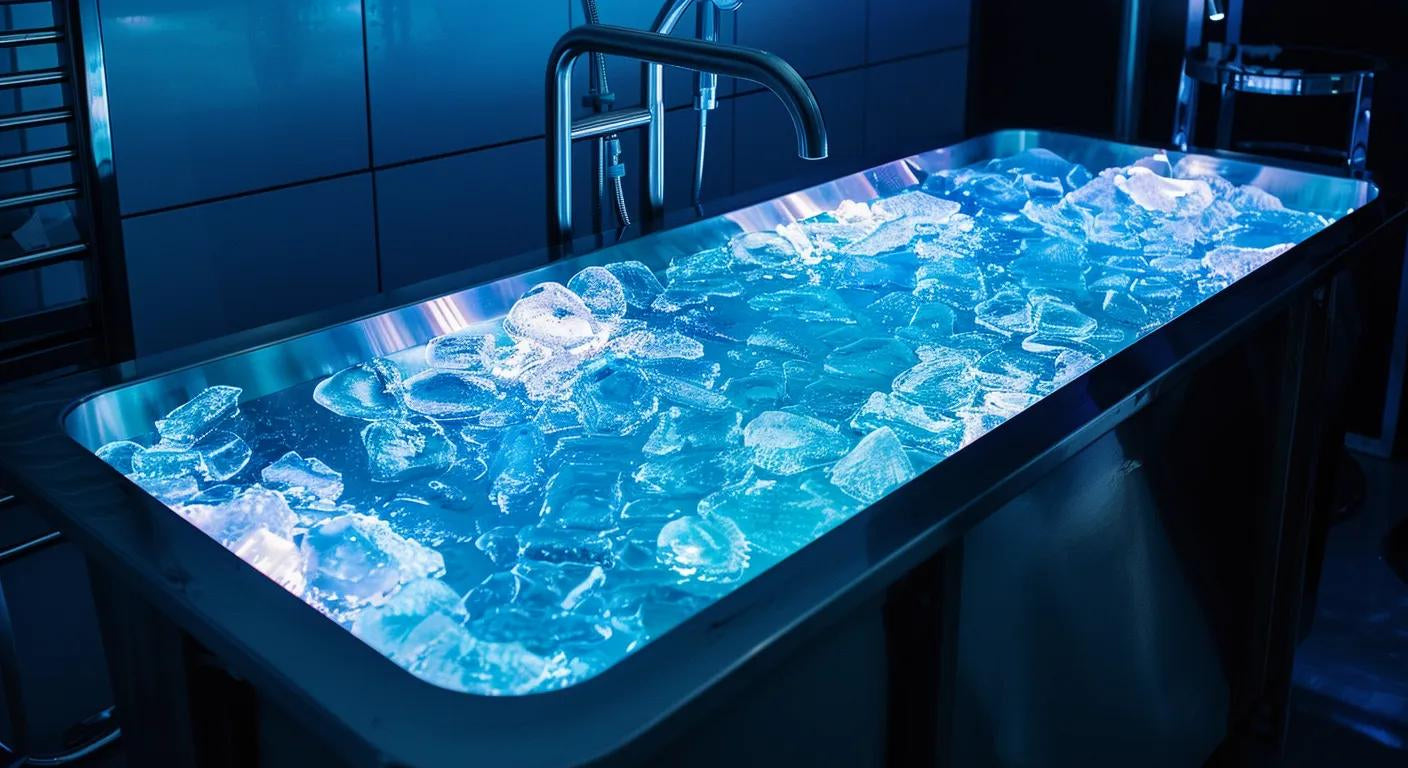
Portable ice baths are compact, movable plunge systems that provide controlled cold-water immersion to help you recover by reducing inflammation and making you feel better. Cold exposure on the skin and superficial tissues triggers your blood vessels to constrict, then expand as you warm up; this vascular shift helps flush out waste products and can ease muscle soreness. Portable units are part of the broader cold-therapy category and range from inflatable tubs to foldable or rigid plunge pools, some with optional chillers and filtration. Knowing these mechanisms helps you judge when a portable plunge is appropriate versus a fixed plunge tank.
Defining portable ice baths and inflatable cold plunge tubs
The term “portable ice bath” covers inflatable cold-plunge tubs, foldable portable baths, and plug-and-play plunge pools — each offers a balance between how easy they are to move and how tough they are. Inflatable designs are often lighter, easier to store, and more budget-friendly, but might not insulate as well or be as tough in the long run compared with hard-shell models that use insulated, rigid walls. Typical components are the basin, drain valve, cover, and sometimes a pump, filtration unit, portable chiller, or ice reservoir. For single-user home setups, an inflatable or foldable model often suffices; places with lots of users usually opt for rigid or hybrid systems for easier maintenance and longer service life.
How cold water therapy aids muscle recovery and mental health
Benefits from cold-water immersion come from how your body reacts: it helps reduce inflammation, slows down tissue metabolism, and can boost feel-good chemicals like norepinephrine and endorphins. These changes help clear waste products and reduce muscle soreness after intense training, while the jolt of cold can make you feel more alert and improve your mood. When used correctly, cold plunges support both physical recovery and mental resilience through these intertwined pathways.
What Are the Key Benefits of Cold Plunge Therapy at Home?
Bringing cold-plunge therapy into the home makes effective recovery methods convenient and repeatable. Portable ice baths help control inflammation, speed muscle repair, reduce soreness, and offer mental benefits that support consistent training and wellbeing. Compared with clinic-based cryotherapy, a home plunge improves accessibility and lets you schedule regular sessions around training and sleep.
Here's a quick look at the top benefits and how they work.
Cold-plunge therapy delivers four primary benefits:
- Less muscle soreness and quicker recovery after tough workouts, helping you train more consistently.
- Reduced local inflammation by helping your body manage swelling.
- Improved alertness and better stress management thanks to a boost in feel-good chemicals.
- Convenience and a more budget-friendly option for regular users compared to repeated clinic visits.
This table shows how each benefit works.
| Benefit | Mechanism | Result |
|---|---|---|
| Reduced soreness | Blood flow changes & waste removal | Shorter recovery timelines |
| Inflammation control | Reduced local activity | Reduced swelling & pain |
| Mental resilience | Alertness boost & mood lift | Increased alertness & improved mood |
| Accessibility | Portable design for home use | Higher session frequency and adherence |
This shows why portable cold plunges are so appealing: they deliver results that athletes and active people really value.
Physical recovery advantages for athletes and active individuals
For athletes, portable ice baths target muscle soreness and can shorten recovery windows between sessions or competitions by promoting circulation changes and waste removal. Practical uses include immediate post-workout plunges after high-intensity efforts or repeated exposures during tournament days to sustain performance. Portable systems let athletes follow effective recovery routines more consistently, which is a key factor in improved recovery outcomes.
Mental health improvements through cold water immersion
Cold immersion can boost short-term alertness and support mood regulation by boosting feel-good chemicals like norepinephrine and endorphins. Many users report better stress tolerance and sharper cognition after regular cold-plunge routines, particularly when combined with controlled breathing or mindfulness. Cold exposure is not a substitute for clinical mental-health care, but as part of a broader wellness routine, it can help healthy individuals manage daily stress. If you have a diagnosed mental-health condition, consult a clinician before beginning regular cold exposure.
How to Choose the Best Portable Ice Bath for Your Recovery Needs?
Choosing the right portable ice bath is a balance of size, insulation, durability, and ease of care, along with how portable it is and what suits your budget. Use a simple checklist: pick single- or multi-user capacity, prioritise insulation if you need long cold retention, check valve and material quality for durability, and decide whether an integrated chiller or a separate ice reservoir suits your setup. The table below helps you compare key features for home or smaller facility use. For larger setups, think about space, power, and water needs, and ask us about custom solutions for recovery rooms or gyms.
Key decision criteria for buyers:
- Match capacity to user needs and available space.
- Prioritise insulation and building materials for efficient cold retention.
- Verify drainage, valve quality, and ease of setup for quick turnover.
- Consider filtration and optional chilling for hygiene and temperature control.
| Model Attribute | Characteristic | Practical Impact |
|---|---|---|
| Capacity | Single-user vs multi-user | Affects space and water-volume needs |
| Insulation | Insulated walls vs none | Determines ice or chiller usage and runtime |
| Portability | Inflatable/foldable vs rigid | Influences transport and storage |
| Maintenance | Drain valve, filtration options | Impacts hygiene and operating cost |
Features to consider in inflatable ice bath reviews
When reading reviews, focus on material durability, insulation performance, valve and seam quality, weight limits, and ease of setup — these factors determine longevity and user experience. Robust PVC or reinforced fabrics resist punctures and stretching, while thicker insulation or included covers extend time between re-icing or reduce chiller load. A dependable drain valve and quick-fill/empty features simplify maintenance, and clear weight limits ensure safe use. Focusing on these helps you avoid common issues like poor insulation or flimsy construction that can spoil the benefits of portability.
Comparing sizes, materials, and portability options
Choosing the right size balances immersion depth for effective coverage with transport and storage constraints: larger models give fuller immersion for taller users but need more ice or chiller capacity, while compact tubs save space and are easier to empty. Material choice affects longevity — rigid shells with insulated walls last longer and retain temperature better, while inflatable designs excel at portability and storage. Consider whether your use is single-user home use or frequent multi-user facility use; homes often suit foldable options, while facilities typically prioritise strong materials and integrated filtration for frequent sessions.
What Are the Best Practices for Using Portable Ice Baths Safely?
Safe use requires clear temperature and time limits, medical precautions for at-risk users, and being mindful if you're plunging alone. Core safety rules are straightforward: start conservatively with shorter exposures and warmer temperatures, increase gradually as tolerance builds, and avoid immersing alone if you have cardiovascular risk or other contraindications.
The table below gives you a quick guide to recommended settings and who should be cautious, handy for both home users and smaller facilities.
- Begin with conservative sessions and progressively increase duration.
- Watch breathing and comfort; exit immediately if you feel dizzy or have chest pain.
- Consult a medical professional if you have cardiovascular disease, uncontrolled hypertension, or pregnancy concerns.
| Safety Parameter | Recommendation | Rationale |
|---|---|---|
| Temperature | 10–15°C for typical users; 1–6°C only for advanced protocols | Balances efficacy with safety |
| Duration | 2–10 minutes depending on goal and acclimation | Helps avoid hypothermia and heart strain |
| Contraindications | Cardiovascular disease, uncontrolled hypertension, pregnancy | Avoids health risks without medical advice |
| Supervision | Avoid unsupervised plunges for high-risk users | Allows quick help if needed |
Recommended duration and temperature settings for cold plunges
Safe starting ranges are typically 10–15°C for 4–8 minutes for novice users, progressing toward lower temperatures (6–10°C) and shorter exposures (2–6 minutes) as acclimation occurs. Advanced protocols use colder water for briefer durations, but these should only be attempted after steady adaptation and with attention to heart rate and personal tolerance. Frequency depends on the goal: acute post-exercise recovery may call for single immediate sessions, while resilience-focused practices can be scheduled several times per week. Gradual acclimation reduces shock responses and helps users gain autonomic benefits.
Precautions and contraindications for cold water therapy
Cold-water immersion isn't suitable or needs a doctor's OK for people with cardiovascular disease, uncontrolled hypertension, Raynaud’s phenomenon, and certain metabolic or pregnancy-related conditions, because immersion can put extra strain on your heart and constrict blood vessels. If you or your clients have significant health issues, chat to your GP or a specialist before beginning a programme, and ensure supervised sessions in facilities with appropriate monitoring where needed. If you're running a facility, having an emergency plan – knowing when to get urgent help for things like chest pain, severe breathlessness, or passing out – is crucial.
How Can You Maximise Recovery With Portable Ice Baths?
To maximise recovery, sequence immersion with training, nutrition, and sleep, and combine cold exposure with active recovery and breathing techniques to boost the benefits. For post-exercise recovery, use brief, immediate plunges to help clear waste products; for resilience and mood, schedule regular sessions on rest days. Complementary methods such as active recovery, compression, and sleep optimisation work even better together. If you're a facility looking to expand your recovery options, things like smart scheduling, quick turnover, good hygiene, and combining cold plunges with other therapies can really improve results. Chat to us about custom installations for commercial setups to suit your user numbers and maintenance needs.
Practical ways to add cold recovery into routines include:
- Use short, post-session plunges after maximal efforts to curb soreness and support a quick return to training.
- Schedule regular cold immersion on rest days to build mental resilience and autonomic balance.
- Pair cold plunges with diaphragmatic breathing and light active recovery to manage the shock response and enhance benefits.
Integrating ice baths into your fitness and wellness routine
A sample approach: an immediate 3–6 minute plunge at 8–12°C after intense sessions to limit muscle soreness, followed by an active cooldown and targeted nutrition; or 2–4 minute cold exposures on non-training days for resilience and mood. Frequency varies by goal — athletes might use 2–4 focused sessions per week during heavy training blocks, while recreational users may find 1–3 weekly sessions sufficient. Habit formation improves with predictable scheduling, simple setup steps, and pairing immersion with a consistent breathing routine to reduce initial discomfort and increase adherence.
Combining cold plunge benefits with other recovery methods
Cold plunges work well with active recovery, compression garments, and sleep optimisation; sequencing depends on your aim. For immediate performance recovery, do an active cooldown, then a brief plunge to aid waste product clearance, and follow with sleep and protein-focused nutrition for repair. To protect long-term adaptation, avoid very frequent cold exposure immediately after strength sessions — instead, reserve cold immersion for dedicated recovery days. A straightforward integrated protocol is: active cooldown → brief cold plunge (2–6 minutes) → nutrition and sleep prioritisation.
If you're an organisation thinking about adding cold plunges, consider your space, water, and power needs, plus how many people will use it. Ask us for tailored installation advice to plan your project and ensure safe, efficient operation.
For professional case studies or a chat about setting up recovery rooms and commercial fit-outs, get in touch for a tailored consultation. We can help assess your site and user capacity.