






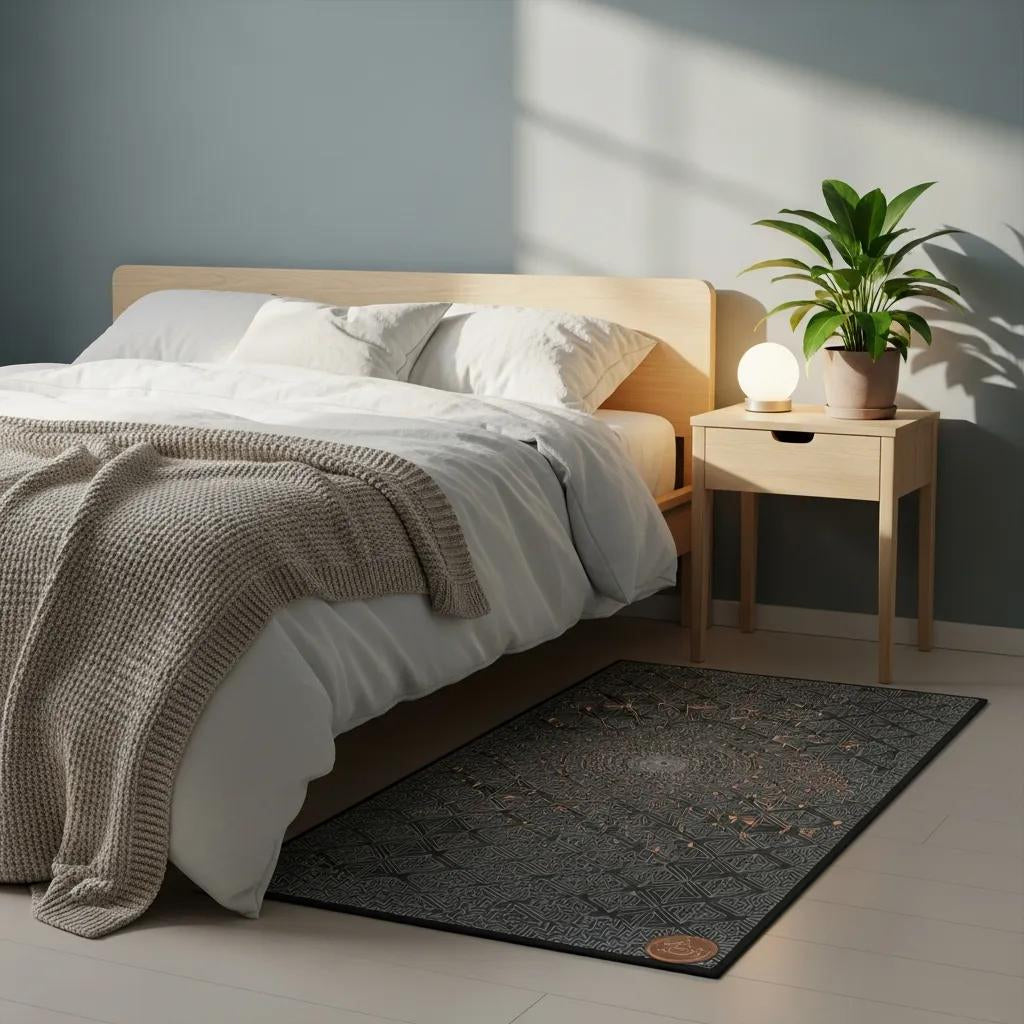
Grounding Mats: How They Can Improve Sleep, Ease Stress and Reduce Pain
Grounding mats are conductive pads that give your body a direct electrical connection to the Earth’s surface. People use them to support natural balance across sleep, stress and pain recovery. In this guide, we explain what grounding (also called earthing) is, how grounding mats work to connect you with the Earth, and why many users report easier sleep, lower stress and less everyday discomfort with regular use. You’ll discover how mats enable tiny electron transfers, the sleep and stress outcomes people commonly describe, and simple ways to add grounding — including grounding sheets — to your home routine. We also compare product types for sleep, explore how grounding might relate to inflammation and circulation, and share step-by-step tips for getting the most out of your practice. Throughout, useful ideas like grounding mat benefits, grounding sheet Australia and grounding mat sleep are woven into clear, easy-to-understand explanations so you can decide whether grounding fits your routine.
How Does a Grounding Mat Work to Connect You with Earth's Energy?
A grounding mat provides a conductive path between your skin and the Earth's surface electrons so your body can reach electrical balance with the ground. In practice, a mat uses a conductive surface plus a cord or connection to an earth reference to let very small electron flows equalise surface charge. The setup is straightforward: the mat or sheet touches your skin (or bedding), a grounding lead connects to an earth point, and the body exchanges tiny charges with the planet. This simple mechanism helps explain many user-reported effects and how grounding might influence sleep, stress and inflammation.
- Key benefits of an Earth connection via a grounding mat:
- Quick neutralisation of surface charge: helps reduce static and can alter skin electrical potential.
- Immediate calming response: Many users notice a sense of relaxation when connected.
- Recovery support: grounding often complements sleep and rest-based recovery routines.
What Is Earthing and How Does It Influence Your Body?
Earthing (grounding) means making direct contact between the body and the Earth's surface so electrons can move and electrical balance is restored across tissues. It’s as simple as walking barefoot on grass or using a conductive mat indoors — the goal is to re-establish a natural electrical state rather than introduce anything into the body. Many people report an immediate subjective change: less agitation, a calmer breath and a steadier sense of ease. Practically, earthing fits easily into evening wind-downs or short daytime grounding breaks, which is why indoor grounding mats are popular when regular outdoor contact isn’t feasible.
Moving from the concept of earthing, the next section explains the physical parts that let grounding mats transfer electrons effectively.
How Do Grounding Mats Facilitate Electron Transfer for Wellness?
Grounding mats work through three core elements: a conductive surface that contacts the skin, an internal conductive layer that spreads that contact, and a cord or connector that links to an earth reference. Materials are selected for low resistance so minute electron flows can equalise the body’s surface charge without you feeling anything. Typical setup is simple: place the mat under your feet or on a resting surface, check the connection is secure, and keep the conductive area clean. Those practical design choices make grounding mats an easy indoor option for people who want reliable Earth contact with minimal effort.
With the basic design explained, let’s look at how grounding specifically affects sleep and circadian patterns.
How Can Grounding Mats Enhance Your Sleep Quality?

Many users find that grounding helps the body settle into a more relaxed electrical state before bed, which can mean falling asleep faster, reaching deeper sleep stages and waking feeling fresher. A grounding mat can become part of an evening routine that signals the nervous system to downshift, working alongside light reduction and other sleep-hygiene steps. Many users share consistent experiences: less tossing and turning, fewer awakenings and a subjective improvement in sleep continuity. Adding grounding to your nightly routine is straightforward, and choosing between a mat or a sheet depends on whether you prefer targeted contact or full-bed coverage.
Below is a practical comparison of how grounding mats and grounding sheets differ for sleep-focused use.
| Product | Sleep Attribute | Typical User Value |
|---|---|---|
| Grounding Mat | Targeted contact (feet or under body) | Great for sitting, desk use or short pre-bed sessions |
| Grounding Sheet | Full-body contact across bedding | Turns your bed into a grounded sleep surface for overnight use |
| Combination (Mat + Sheet) | Flexible placement | Supports both daytime grounding and full-night grounding |
This comparison helps you match product type to your sleep goals and everyday routines.
Common sleep improvements people associate with grounding mats:
- Faster sleep onset: Many users report reduced time to fall asleep after regular use.
- Improved sleep continuity: fewer night-time interruptions are often noticed.
- More refreshing mornings: waking with a greater sense of restoration is commonly described.
Remember, individual experiences can vary, and these benefits are often most noticeable when grounding is paired with consistent sleep habits like dimming lights and limiting screen time. Next, we look more closely at the specific sleep changes people describe.
What Sleep Improvements Are Linked to Using Grounding Mats?
People typically report three clusters of sleep improvement: falling asleep more quickly, staying asleep with fewer awakenings, and waking feeling more refreshed. These outcomes combine an immediate calming effect with gradual improvements in nightly patterns when grounding is used regularly. For many, grounding reduces pre-sleep agitation and eases the transition into deeper sleep stages, which can lessen perceived sleep fragmentation. Individual results vary, and grounding works best alongside steady bedtimes and reduced evening light exposure.
That practical view leads to how grounding may support circadian timing when used consistently.
How Does Grounding Support Natural Circadian Rhythms?
Grounding can act as a consistent evening cue that supports the nervous system’s shift toward rest, complementing hormonal signals and light-driven timing mechanisms. Using a grounding mat in the hour before bed — or sleeping on a grounding sheet — can become a reliable downtime signal when practised over weeks. Pair grounding with circadian-friendly habits, such as dimming lights and avoiding screens, to increase the chance of lasting rhythm alignment. Consistent nightly or pre-bed grounding helps reinforce the habit and lets the body treat grounding as a dependable cue for rest.
With sleep covered, we’ll now explore grounding’s effects on stress and relaxation.
In What Ways Do Grounding Mats Help Reduce Stress and Promote Calm?

People often use grounding mats as a gentle, non-invasive way to encourage physiological calm. Many report lower perceived stress and a smoother stress response when grounding is part of their routine. The basic idea is that electron exchange with the Earth supports electrical balance and reduces sympathetic nervous system arousal, which leads to easier breathing and a sense of ease. Grounding sessions are short and flexible — useful during breaks, after work or alongside meditation — and they pair well with breathwork to deepen relaxation. Because grounding is simple to adopt, it commonly becomes one tool among others, like mindfulness and gentle movement.
Here are some ways grounding might help with stress:
- Balances autonomic tone: supports a shift from fight-or-flight toward rest-and-digest.
- Encourages subjective calm: many people notice quicker reductions in tension and steadier breathing.
- Enhances relaxation practices: grounding often deepens the effects of breathwork and short meditations.
These mechanisms lead to a focused look at cortisol and the stress response.
How Does Grounding Affect Cortisol Levels and Stress Response?
Cortisol is a primary stress hormone and a useful marker of the stress response. Many users find grounding can help with a steadier evening decline in stress markers and an improved ability to unwind. Practically, short grounding sessions in the mid-afternoon or the hour before bed can complement natural cortisol cycles and reduce cumulative stress. Treat grounding as a helpful addition — combine it with regular sleep, movement and breath-based routines for the best effect.
From cortisol, we move to the everyday relaxation benefits that many users notice with regular grounding.
What Are the Relaxation Benefits of Using a Grounding Mat Regularly?
Regular grounding supports quick relaxation rituals — for example, 20–30 minutes on a grounding mat after work often lowers tension and sharpens mental focus. Many people use mats during guided breathing, reading or gentle stretching and find the routine helps separate work stress from home time. Grounding requires no consumables and is easy to maintain, which suits busy lifestyles. Over time, consistent use can make relaxation responses more accessible, though personal experiences vary, and progress should be tracked to set realistic expectations.
Next, we’ll look at grounding’s role in pain relief and physical comfort.
How Do Grounding Mats Alleviate Pain and Support Physical Comfort?
Grounding mats are commonly used as a non-pharmacological part of pain-management routines. Users report reductions in muscle soreness, joint stiffness and general aches when grounding complements rest and recovery. Many believe grounding helps restore electrical balance, which may influence inflammatory signals and local circulation, potentially reducing discomfort. Practically, mats can be placed under a sore area, used during passive rest, or combined with light movement to aid recovery. The table below links common pain types to proposed mechanisms and typical user experiences so you can set realistic expectations.
| Pain Type | Proposed Mechanism | Typical User Experience |
|---|---|---|
| Muscle soreness | Support for recovery via improved electrical balance | Less post-activity stiffness and quicker subjective recovery |
| Joint stiffness | Local comfort through modulation of inflammatory signals | Feelings of loosening joints after repeated rest sessions |
| Generalised aches | Lowered stress tone plus improved circulation | Reduced overall ache and greater ease during rest |
This overview shows how users commonly experience pain relief and positions grounding as one part of a broader comfort strategy.
Which Types of Pain Can Grounding Mats Help Relieve?
People most often report benefits for post-exercise muscle soreness, mild joint stiffness from long periods of sitting or standing, and diffuse aches tied to poor rest. These reports are subjective: grounding tends to feel soothing and reduce perceived tightness during rest or low-intensity recovery. Grounding is not a replacement for medical care — it’s a helpful addition that many combine with movement, stretching and professional advice. Regular, consistent use is more likely to produce noticeable changes than occasional sessions.
Next, we consider inflammation and how grounding might influence that process in relation to pain relief.
What Is the Role of Reduced Inflammation in Pain Management?
Inflammation is a normal immune response that can drive pain and stiffness when it becomes excessive. Many believe grounding's connection to the Earth may help support a balanced inflammatory state, which could reduce discomfort. It's thought to influence recovery by promoting calm and improving circulation, helping the body manage natural processes. For users, this can mean gradual reductions in soreness and smoother recovery, especially when grounding is combined with sleep optimisation and gentle movement. Grounding supports comfort routines rather than replacing targeted medical therapies.
We’ll now turn to grounding’s relationship with energy and circulation, both closely tied to sleep and pain relief.
Can Grounding Mats Boost Energy and Improve Circulation?
Many users report a subjective lift in daily vitality when grounding is part of their routine — steadier morning energy and fewer midday slumps are common comments. The circulation link is plausible: electrical balance and reduced sympathetic arousal can support smoother blood flow and clearer wakeful focus. Pairing short grounding sessions with light movement or breathwork often enhances circulation effects and helps sustain energy. While nuance matters, the practical takeaway is that grounding can be a low-effort complement to habits that promote circulation and everyday vitality.
Simple ways of grounding might support circulation and perceived energy:
- Gentle circulation support: Use grounding during light stretching to encourage blood flow.
- Morning routines: short grounding sessions can help stabilise morning energy.
- Midday refresh: a 15–30 minute grounding break may reduce lethargy and sharpen focus.
These suggestions lead to two targeted practices described below.
How Does Grounding Influence Blood Flow and Vitality?
Grounding seems to support circulation indirectly by shifting autonomic balance and encouraging deeper, calmer breathing — both of which benefit vascular health. Practically, combining a grounding mat with light ankle or leg movement boosts local blood flow and works well for desk-bound users. The joint effect of a calmer nervous system and gentle movement often feels like increased energy and less heaviness in the limbs. Try short sessions during morning stretches or after lunch to assess personal benefit over several weeks.
With circulation links covered, the next subsection summarises common energy benefits and how to cultivate them.
What Are the Reported Energy Benefits from Regular Grounding?
Reported energy benefits include steadier alertness, smaller mid-afternoon dips and an easier transition from rest to activity in the morning. Many people attribute these improvements to better sleep continuity and lower baseline tension from routine grounding, which together support a more stable daily energy profile. Useful habits include brief morning grounding and short midday sessions to maintain alertness without stimulants. Keep a simple log of how you feel over days or weeks to find the frequency and timing that works best for you.
The final section gives practical setup and usage guidance, with product suggestions from Terra Wellness.
How Can You Integrate Terra Wellness Grounding Mats into Your Daily Routine?
Adding grounding to your day is simple: place a mat beside your desk, set a pad under your feet while you read, or lay a grounding sheet across your bed for overnight contact. Installation usually means positioning the conductive surface where you’ll touch it, connecting the grounding lead securely, and keeping surfaces clean; a grounding sheet across the mattress turns your bed into an overnight grounding surface. Terra Wellness offers grounding accessories — including a Grounding Mat and Grounding Sheets — designed to fit common home routines and help you create a calmer, more restorative sleep and relaxation space.
Practical steps to introduce a grounding product:
- Choose placement: pick a bedside sheet for overnight grounding or a mat for sitting and desk sessions.
- Start small: begin with 20–30 minute sessions and extend to overnight use if that suits you.
- Pair with routines: combine grounding with breathing exercises or evening reading to build a habit.
- Maintain the product: keep the conductive surface clean and check cords regularly for reliable performance.
These steps help you move from curiosity to steady practice, and they lead to practical home-use and maintenance tips below.
What Are Practical Tips for Using Grounding Mats at Home?
Choose a placement that fits your day, inspect the conductive surface before use, and fold grounding into existing relaxation or sleep rituals for consistency. For daytime, place a mat under your desk or lounge chair and use it for 20–40 minutes during focused breathing or light stretching; for sleep, a grounding sheet across the mattress provides continuous overnight contact. Clean the conductive surface gently per manufacturer instructions and check connectors visually to ensure safety. Start gradually and track how you feel so you can find the schedule that fits your lifestyle.
These practical suggestions inform recommended durations and patterns, which the following subsection covers.
How Long Should You Use a Grounding Mat for Optimal Benefits?
Common patterns vary from short daily sessions (20–30 minutes) to overnight sheet contact. Many users notice calming effects within the first few sessions and more consistent sleep or pain-related changes over several weeks. Beginners often start with 20–30 minute sessions once or twice a day, then move to overnight use if sleep is the priority. Consistency matters more than long single sessions, and keeping a simple log of sleep quality and stress helps you evaluate progress. Expect early relaxation within days and gradual sleep or pain improvements over weeks with regular use.
To close, here’s a gentle nudge toward practical next steps with Terra Wellness accessories.
If you’d like to try grounding, Terra Wellness’s range of Grounding Mats and Grounding Sheets makes it easy to bring earthing into daily life and to ground yourself in nature’s calming energy at home. Explore their grounding accessories to find options that match your sleep and relaxation goals, and start with short sessions to see how grounding feels for you.
Frequently Asked Questions
1. Are grounding mats safe for everyone to use?
Grounding mats are generally considered safe for most individuals, including children and adults. However, those with specific medical conditions, such as pacemakers or other implanted electronic devices, should consult a healthcare professional before use. Additionally, individuals with certain skin sensitivities may want to test the mat on a small area first. Always ensure that the mat is used according to the manufacturer's instructions to maximise safety and effectiveness.
2. How do I clean and maintain my grounding mat?
To maintain your grounding mat, it’s essential to keep the conductive surface clean. Use a mild soap solution and a soft cloth to gently wipe the surface, avoiding harsh chemicals that could damage the material. Regularly check the grounding cord and connectors for any signs of wear or damage. Following the manufacturer's care instructions will help ensure the longevity and effectiveness of your grounding mat.
3. Can grounding mats help with anxiety and mental health issues?
Many users report that grounding mats can help reduce feelings of anxiety and promote a sense of calm. The practice of grounding is thought to balance the body's electrical state, which may help lower stress levels and improve overall mental well-being. While grounding can be a beneficial tool for relaxation, it should not replace professional mental health treatment. Combining grounding with other therapeutic practices may enhance its effects on anxiety.
4. How long does it take to feel the benefits of using a grounding mat?
Users often report feeling immediate relaxation and calmness within the first few sessions of using a grounding mat. However, more significant benefits, such as improved sleep quality and reduced pain, may take several weeks of consistent use to manifest. It’s important to establish a regular grounding routine and track your experiences to better understand how it affects your body over time.
5. Can I use a grounding mat while sleeping?
Yes, grounding mats can be used while sleeping, and many users find that sleeping on a grounding sheet enhances their sleep quality. A grounding sheet provides full-body contact, allowing for continuous electron transfer throughout the night. This can help promote deeper sleep and reduce nighttime awakenings. Ensure the grounding sheet is properly connected to an earth reference for optimal benefits during sleep.
6. Are there any specific grounding techniques I should follow?
While using a grounding mat, it’s beneficial to incorporate relaxation techniques such as deep breathing or meditation to enhance the experience. Aim for sessions of 20–30 minutes, either during the day or before bed. You can also combine grounding with gentle stretching or light movement to further support circulation and relaxation. Consistency is key, so try to establish a routine that fits your lifestyle.
7. What should I look for when purchasing a grounding mat?
When purchasing a grounding mat, consider factors such as size, material, and conductivity. Look for mats made from high-quality, conductive materials that ensure effective electron transfer. Additionally, check for ease of cleaning and maintenance. Reading customer reviews can provide insights into the mat's performance and durability. Finally, ensure that the mat comes with clear instructions for use and connection to an earth reference.