






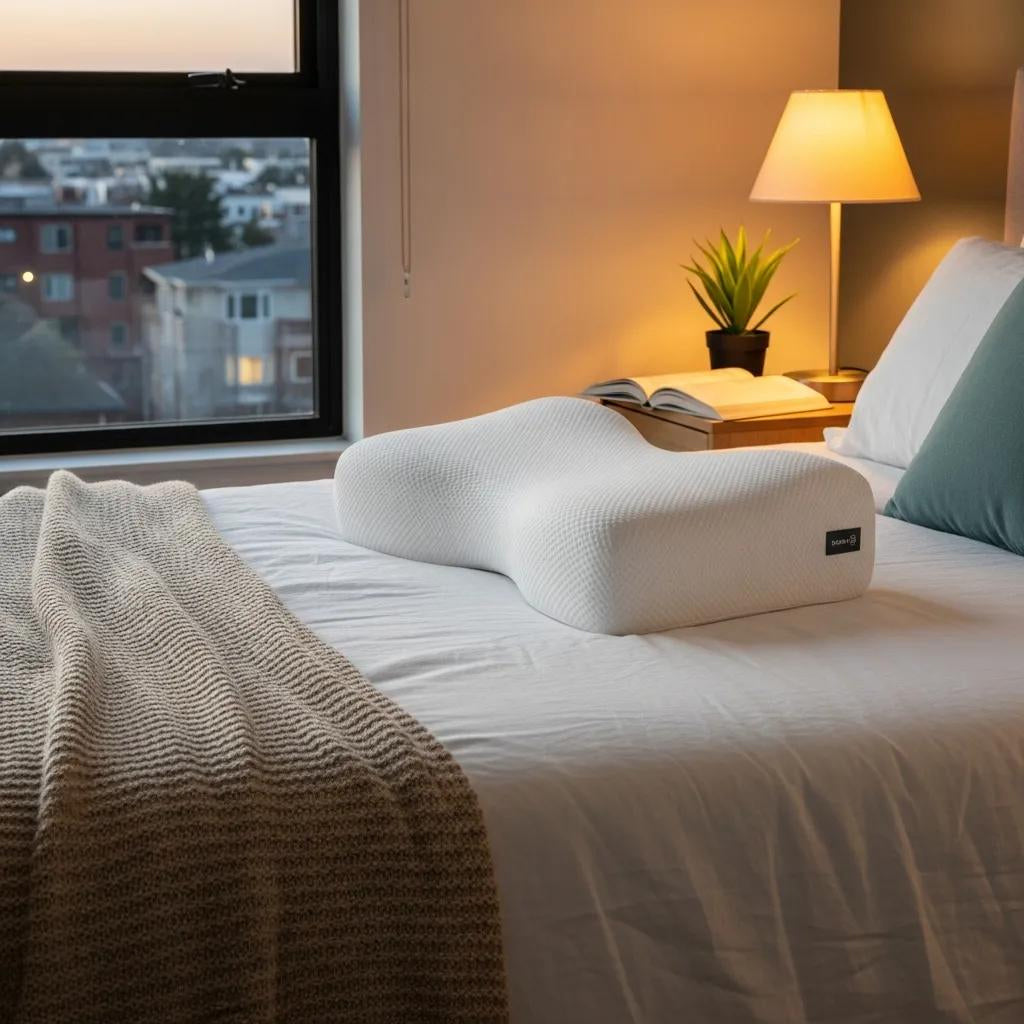
Why Ergonomic Pillows Belong in Your Wellness Routine: Benefits, How to Choose, and Practical Use
An ergonomic pillow is designed to support the natural curve of your neck and upper spine, so you sleep better and wake with less neck pain. This guide explains what makes a pillow “ergonomic,” how they work with your body, and how the right pillow can ease pain, improve breathing and boost daytime energy. If you’ve been dealing with stiff mornings, shoulder tension or broken sleep, an ergonomic pillow can be a practical, informed step toward more restorative nights. Read on for how these pillows work, the benefits you can expect, a straightforward framework for choosing the right option for your sleep style, and simple ways to combine a pillow with other restorative habits.
What Are Ergonomic Pillows and How Do They Support Whole-Body Wellness?
Ergonomic pillows are purpose-shaped supports that cradle the head, neck and upper spine to keep the body in neutral alignment, ease airway mechanics and reduce pressure points. Unlike standard pillows, ergonomic designs use contours, adjustable loft and targeted support zones tailored to common sleep postures. Those design choices lower muscle strain, improve breathing and encourage deeper, more continuous sleep. Thinking of an ergonomic pillow as a sleep-health tool—not just a comfort upgrade—helps explain why it can be a meaningful part of a wellness routine. Below, we unpack the key features and how they work to give you real benefits.
What Defines an Ergonomic Pillow and Its Key Features?
Ergonomic pillows are built around four practical elements: shape, core material, adjustability and cover. Typical features include a contoured neck cradle to support cervical curvature, zoned firmness to relieve shoulder pressure, removable inserts or chambers to change loft, and breathable covers like bamboo or cotton to regulate temperature. Core materials vary: memory foam hugs cervical curves for pressure relief, latex gives springy, quick recovery support, and natural fibres prioritise airflow and hypoallergenic properties. Together—core, adjustability, contour and cover—these parts determine how well a pillow supports alignment, thermal comfort and allergy needs, so choosing the right mix matters for real-world results.
Here are the main features you'll find in an ergonomic pillow:
- Contour shape: keeps the neck in neutral alignment for many sleepers.
- Material core: memory foam, latex or fibre shapes resilience and pressure response.
- Adjustability: removable inserts or chambers let you dial in height.
- Cover fabric: breathable, hypoallergenic covers help the sleep microclimate.
- Zoned support: firmer and softer zones ease shoulder and neck pressure.
These features act together to preserve alignment while improving comfort and temperature regulation through the night.
How Does Ergonomic Design Support Spinal Alignment and Sleep Posture?
Ergonomic shape supports the head so it stays level with the torso and preserves the neck’s natural curve—this reduces excess load on neck muscles and spinal discs. A contoured pillow cradles the cervical spine so the head doesn’t tip or droop, helping keep airways open and lowering the chance of positional snoring. By spreading pressure evenly, these pillows help your muscles relax and reduce those little disturbances that can wake you up. This all adds up to steadier sleep, fewer interruptions, and a better mood and recovery during the day.
What Wellness Benefits Can You Expect from an Ergonomic Pillow?

Ergonomic pillows offer both short-term relief and longer-term gains by improving alignment, lowering mechanical pain drivers and enhancing sleep quality. Targeted cervical support can reduce neck pain, better head positioning can lessen mild positional snoring, and more consistent restorative sleep supports mood and immune resilience.
Here are the main benefits and how they typically show up in daily life.
Core wellness benefits of ergonomic pillows:
- Pain reduction: steady cervical support eases neck and shoulder muscle tension, often reducing discomfort over several weeks.
- Improved sleep quality: better posture means fewer awakenings and deeper sleep stages, so you feel more refreshed.
- Less snoring: improved head and neck alignment can reduce airway collapse for many side and back sleepers.
- Better daytime function: less pain and deeper sleep support mood, concentration and recovery.
Many people find they notice less stiffness within days, and clearer pain and sleep gains often emerge within a few weeks of consistent use.
This table shows the benefits and what improvements are realistic when you start using an ergonomic pillow.
| Benefit | What You Can Expect |
|---|---|
| Pain relief | Less neck and shoulder pain, often within a few weeks. |
| Improved sleep quality | Longer, uninterrupted sleep and feeling more refreshed in the morning. |
| Reduced snoring | Less positional snoring for side and back sleepers. |
| Better daytime function | Improved mood, concentration, and recovery throughout your day. |
How Terra Wellness products fit in: Terra Wellness also offers complementary recovery tools—grounding mats, home saunas and carefully selected sleep accessories—that can amplify the benefits of better sleep. Pairing a supportive pillow with calming pre-sleep rituals and the right accessories helps create a steadier nightly routine and often speeds perceived improvements. These products are meant to complement, not replace, professional health advice.
Short summary: ergonomic pillows connect improved mechanics to better sleep and daytime wellbeing. Used with good sleep habits, they form a practical foundation for whole-person wellness.
How Do Ergonomic Pillows Ease Neck, Back, and Shoulder Pain?
Ergonomic pillows ease musculoskeletal pain by restoring neutral alignment and lowering sustained muscle tension in the neck and upper back. Proper contouring keeps the head from falling forward or to the side, reducing strain on cervical muscles, joints and soft tissues. Pressure redistribution prevents focal compression over the shoulder for side sleepers, letting tissues recover overnight. Relief usually follows a pattern: less morning stiffness soon after starting, then progressive pain reduction as nightly alignment becomes consistent and muscle tone relaxes. Practical tips: introduce the new pillow gradually (start with partial nights), use adjustable features to find the right loft and seek professional advice if pain persists beyond a few weeks. A small adjustment period is normal and helps the benefits become lasting.
How Do Ergonomic Pillows Improve Sleep Quality and Reduce Snoring?
Ergonomic pillows help by reducing the positional issues that can narrow your airway and by keeping your head and neck stable, which means fewer little wake-ups during the night. For side sleepers, a properly elevated, contoured pillow keeps the neck neutral and eases shoulder compression, supporting steady lateral breathing. For back sleepers, a moderate contour supports the occiput and helps keep airways open. Because the pillow limits excessive flexion or extension, positional snoring often decreases. Paired with good sleep hygiene—consistent bedtimes, a cool dark room and limited late caffeine—an ergonomic pillow can significantly improve sleep continuity over a few weeks.
Tip: Small complementary changes, like slightly elevating the upper torso for reflux or avoiding heavy late meals, can boost the pillow’s mechanical benefits and help you sleep better.
How to Choose the Best Ergonomic Pillow for Your Sleep Style

Picking the right ergonomic pillow means matching pillow type, loft and material to your sleeping position, how you handle heat or allergens, and whether you prefer firm or soft support. Key considerations are whether you sleep on your side, back or stomach; what loft keeps your neck neutral; which core material fits your thermal and support needs; and whether adjustable-fill options will help you fine-tune fit. Give it a go for a trial period and watch for early signs—less morning stiffness and steadier sleep—which indicate a good match.
Use the checklist below to match sleep position with recommended pillow styles.
- Side sleepers: choose a medium-firm contour or cervical pillow with higher loft to keep your head level with your spine.
- Back sleepers: opt for a lower-profile contour that cradles the neck without pushing the head forward.
- Stomach sleepers: select the thinnest possible pillow or a soft, low-loft option to limit cervical extension.
These rules simplify selection; combine them with material choices—memory foam for close contouring, latex for lively resilience and adjustable-fill for personalised loft—to refine your final pick.
Here's a quick comparison of pillow types, their best uses, and some pros/cons.
| Pillow Type | Best For | Recommendation / Pros & Cons |
|---|---|---|
| Cervical | Chronic neck pain, back sleepers | Strong neck cradle; can feel firm for some side sleepers |
| Contour (memory foam) | Side and back sleepers needing pressure relief | Conforms to the neck and head; may run warmer than latex |
| Wedge | Acid reflux, elevation needs | Good for torso elevation; not a primary alignment solution for every sleeper |
| Adjustable-fill | Mixed-position sleepers | Highly customisable; takes some trial to find the ideal loft |
This quick comparison helps narrow down your choices – try them out and give it a go for a trial period to make sure it's the right fit for you.
How to Balance Sleep Position, Material and Adjustability
Choosing a pillow means balancing three linked factors: your sleep position, the material’s behaviour and the pillow’s adjustability. Sleep position determines the loft and contour you need—side sleepers usually need higher support, back sleepers medium and stomach sleepers minimal loft. Material affects temperature and feel—memory foam contours and relieves pressure but can retain heat, latex is buoyant and breathes well, and natural fibre fills are light and airy but may compress faster. Adjustable options (removable fill, zip-out chambers) let you fine-tune height and are especially helpful when partners have different needs.
Material quick pros and cons:
- Memory foam: excellent contouring and pressure relief; can trap heat.
- Latex: responsive, breathable and long-lasting; typically a premium option.
- Fibre/natural fills: breathable and light; may compress sooner.
Bottom line: prioritise sleep position, then pick a material that meets your thermal and support needs, and favour adjustability if you’re unsure—trial and small tweaks are key to finding the right fit.
How Cervical, Contour and Wedge Pillows Differ
Cervical, contour and wedge pillows each solve alignment and sleep issues in different ways. Cervical pillows have a neck cradle that preserves the natural curve and suit people with neck pain; contour pillows (often memory foam) give zoned support for head and neck and work well for side and back sleepers; wedge pillows provide an incline for elevation, useful for reflux or breathing support. Each has trade-offs: cervical pillows are focused and therapeutic but may feel odd at first; contour memory foam offers pressure relief but can warm; wedge pillows do elevation well but aren’t the main alignment solution for most sleepers.
| Pillow Type | Characteristic | Typical Use Case |
|---|---|---|
| Cervical | Neck cradle, lower/upper curve | Chronic neck pain, therapeutic support |
| Contour | Zoned memory foam or latex | Side/back sleepers seeking pressure relief |
| Wedge | Sloped profile for elevation | Reflux, post-procedural elevation, and breathing support |
These differences help you choose the best pillow for the problem you want to solve—pain, pressure or elevation—while remembering that hybrid and adjustable models can meet multiple needs.
How Ergonomic Pillows Work with Other Terra Wellness Products to Improve Sleep
An ergonomic pillow works best inside a wider pre-sleep and recovery routine. Combined with grounding mats, home saunas and breathable sleep accessories, a supportive pillow becomes part of a predictable nightly ritual that eases sleep onset and deepens rest. Terra Wellness focuses on grounding, heat-based relaxation and climate-friendly sleep accessories that together create a calmer bedroom environment—grounding mats encourage pre-bed calm, saunas relax muscles, and breathable accessories keep your microclimate steady. These items are supportive adjuncts: alignment from the pillow plus relaxation and recovery tools for a more consistent sleep experience.
The table below shows practical product pairings and expected synergies for an integrated routine.
| Product Pairing | Use Case / Timing | Expected Synergy |
|---|---|---|
| Ergonomic pillow + grounding mat | Pre-bed grounding session 10–20 minutes | A calmer nervous system and an easier transition to sleep |
| Ergonomic pillow + home sauna | Post-sauna cooling and rest | Muscle relaxation from heat followed by stable alignment for restorative sleep |
| Ergonomic pillow + breathable accessories | Nighttime microclimate control | Improved comfort and fewer night-time awakenings |
How Grounding Mats and Ergonomic Pillows Can Deepen Restorative Sleep
Using a grounding mat before bed and then sleeping on an ergonomic pillow creates a simple, two-step routine: first, a short grounding session to lower sympathetic arousal and promote calm; second, sleeping with cervical support to preserve alignment during recovery. A 10–20 minute grounding practice—quiet breathing or light stretches while seated on a grounding mat—followed by settling into bed on a supportive pillow, helps you move into uninterrupted deep sleep more quickly. Grounding aims to reduce pre-sleep agitation and, combined with structural support, can shorten the time it takes to reach restorative sleep stages.
Have a look at our Terra Wellness sleep and recovery range to find accessories that complement your pillow. While these don't replace medical advice, they can certainly help you build a supportive nightly routine.
Summary: grounding calms the nervous system; ergonomic support preserves alignment—together they support deeper restorative sleep.
How Home Sauna Relaxation Complements Ergonomic Sleep
A pre-bed sauna raises body temperature and, when followed by a cooldown, can speed sleep onset through natural thermoregulatory processes. Using an ergonomic pillow after a sauna helps maintain spinal alignment during the deep-sleep window that follows. Heat relaxes muscles and lowers nociceptive tone, making it easier to settle into a neutral neck position; a calm cooldown and a supportive pillow often mean faster sleep onset and less tossing.
We recommend a 30–60 minute cooldown after sauna before bed to allow core temperature to drop, then sleep on an appropriately contoured pillow. Remember basic safety: stay hydrated and follow any medical guidance. When combined responsibly, warmth-based relaxation and structural support typically improve subjective sleep quality.
Summary: the sauna primes relaxation; the ergonomic pillow preserves the alignment that lets restorative sleep happen undisturbed.
Frequently Asked Questions About Ergonomic Pillows and Wellness
People often ask about how long it takes to get used to an ergonomic pillow, its value, and when it's best to chat with a professional. Below are clear, straightforward answers to set realistic expectations and encourage safe, steady use.
How Long Does It Take to Adjust to an Ergonomic Pillow?
Most people need one to four weeks to adapt to an ergonomic pillow. Many find they notice reduced morning stiffness in the first week, and clearer pain relief often emerges within two to eight weeks of nightly use. To adapt more comfortably, alternate nights between your old pillow and the new one, use adjustable-fill features to tune loft, and check that your mattress supports overall spinal geometry. If discomfort persists past a month or worsens, consult a healthcare professional. Gradual adoption and small adjustments usually speed comfort and the therapeutic benefits.
Are Ergonomic Pillows a Good Choice for Your Long-Term Health?
Ergonomic pillows can be a really valuable addition to your health routine, especially when you consider how they might help reduce ongoing pain, improve your sleep, and boost your energy during the day. The price of pillows can vary, so focus on features that suit your sleep position and material preferences—contour support and adjustable loft often offer great long-term value. Care tip: Check pillow resilience yearly and replace cores or pillows when they no longer hold shape. Many people find the gains in productivity and quality of life justify the purchase. Treat an ergonomic pillow as part of a broader sleep-health plan rather than a single, one-time buy.
- Key takeaway: Ergonomic pillows can make a real difference to your pain and sleep quality.
- Maintenance tip: Replace your pillow or core when support weakens to preserve benefits.
- When to prioritise: If neck pain or disrupted sleep affects daily life, prioritise an ergonomic solution and consider professional input.
These practical answers give you an idea of timelines and the potential benefits, so you can decide if an ergonomic pillow is a good fit for your long-term wellness plan.