






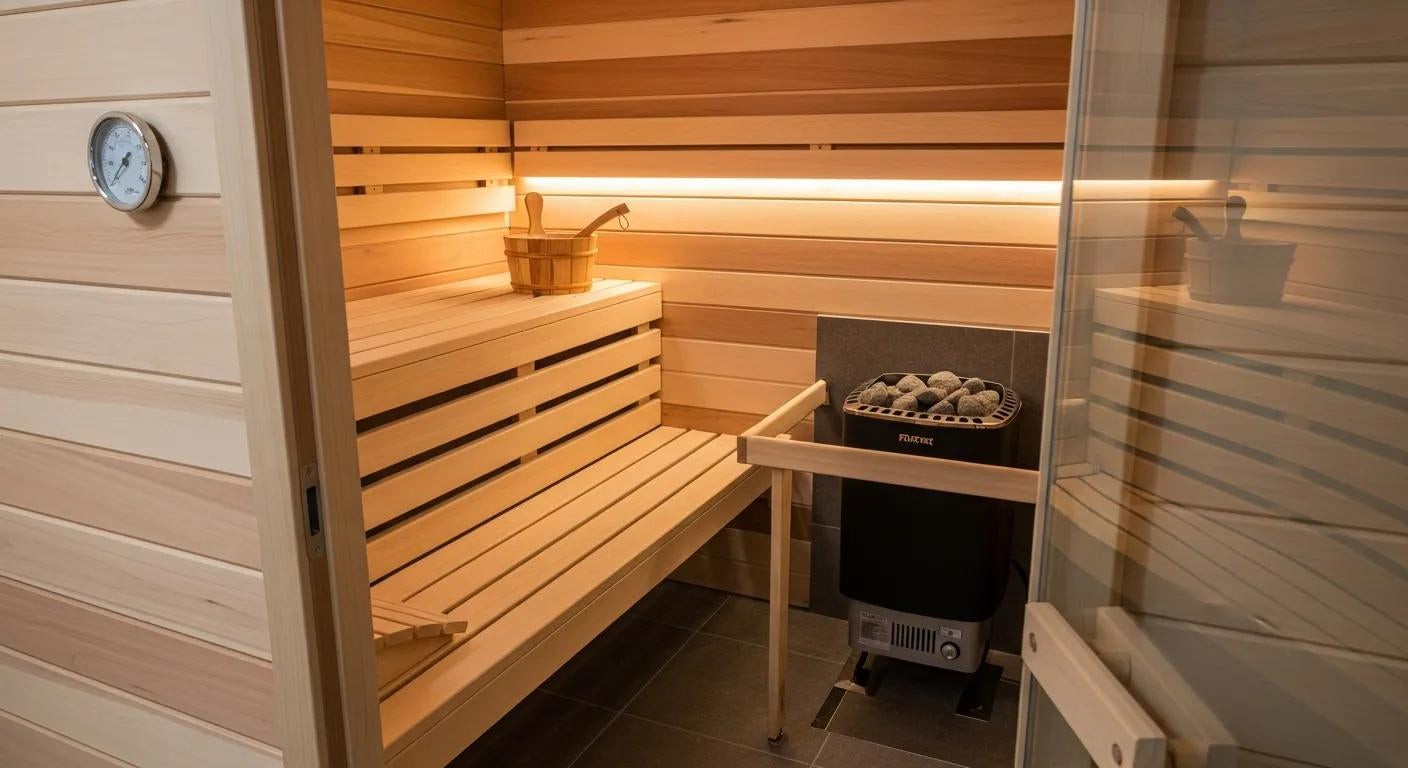
Build Your Own Home Sauna
A DIY home sauna is a purpose-built heat room you construct on your property to enjoy the relaxation and physiological benefits of a traditional wood-and-stone sauna or a modern infrared system. This guide walks you through planning, materials, construction steps, safety and ventilation, plus portable tent options and maintenance, so you can decide whether to build a permanent timber sauna, fit infrared panels, or trial the experience with a portable sauna tent.
Many homeowners are looking for cost-effective wellness solutions that don't compromise on safety or performance. This article explains the trade-offs and the practical decisions that reduce risk while delivering reliable heat, longevity and comfort. After a concise planning checklist, you’ll find clear comparisons of timber choices, heater types, insulation and vapour-barrier best practice, followed by construction sequencing and ventilation guidance tailored to Australian conditions. The guide finishes with portable tent comparisons and setup and maintenance routines so you can pick the right home sauna solution for your space and budget. For commercial fit-outs or custom wellness-space design, contact Terra Wellness.
How do you plan your DIY home sauna project?
Start with a simple project plan that fixes location, size, heater type and budget before any work begins. Early planning reduces surprises by mapping space dimensions, ceiling clearances, structural support and a heating strategy fitted to how you’ll use the sauna — short daily sessions or longer therapeutic use. The planning stage should also identify permit requirements, potential electrical upgrades and a realistic timeline so you can book materials and tradespeople sensibly. Good planning leads directly into layout and siting choices that balance convenience, ventilation and neighbour/privacy considerations.
Use this checklist to frame decisions and estimate costs before you move to detailed design or purchasing.
- Confirm the space and measure the internal cubic volume to determine heater sizing.
- Decide the sauna type: traditional rock heater, infrared, or portable tent — each offers a different heat profile and cost point.
- Set a budget that covers heater, timber, insulation, vapour barrier, labour and contingency.
- Check local building regulations and whether electrical or structural permits are required.
- Plan a timeline: demolition (if needed), framing, services, insulation, cladding and commissioning.
These steps keep safety and cost control front of mind, and they feed into design choices that suit your space and desired capacity.
What are the best home sauna design ideas and layouts?
Design begins with intended user capacity and bench arrangement because bench tiers and room shape determine circulation and heater placement. A 1–2 person sauna works well in a compact footprint — roughly 1.0–1.5 m deep by 1.2–1.8 m wide — with a single bench. For 3–4 people, plan 2.0–2.4 m depth with tiered benches to offer alternating temperature levels. Corner or alcove layouts save floor area by placing benches against two adjacent walls and can be integrated with an existing bathroom or laundry to simplify plumbing and drainage. Natural timber panelling, subtle lighting and a tempered glass door help the sauna sit comfortably within a home spa without overpowering nearby rooms.
Pay attention to bench ergonomics and tier heights when finalising dimensions — bench depth and seat height have a big impact on comfort and heat stratification.
Should you choose an indoor or outdoor sauna?
Indoor versus outdoor depends on access, exposure to weather, how much maintenance you’re willing to do and any foundation work required for an outdoor cabin. Indoor saunas are easier to access, need less weatherproofing and simplify power and ventilation connections. Outdoor saunas offer privacy and separation from living spaces and can be sited near pools or garden features for a leisure-focused experience. Outdoor builds require weather-resistant cladding, raised foundations and corrosion-resistant fixings to cope with Australian sun and rain, and usually need stronger insulation to preserve heat efficiency. Location affects cost, durability and permitting, so weigh convenience against construction complexity.
If you’d prefer a low-disruption option or want to test how you use a sauna before committing to a fixed build, a portable sauna tent can be a sensible first step.
What essential materials and components are required for a DIY sauna?
A working sauna is made up of structural framing, interior cladding, benches, a correctly sized heater, insulation, a continuous vapour barrier and a compliant door — each part contributes to heat retention, durability and user safety. Material choices affect the feel of the heat, ongoing maintenance and long-term performance, so match timber, heater and insulation to the sauna type and your budget. The comparisons below help you weigh trade-offs for wood and heater systems in a domestic build.
Key essentials for a dependable home sauna are a heater sized to room volume, quality thermal insulation, a continuous foil vapour barrier, knot-free interior cladding for comfort, and benches made from low-resin timber. These core components — benches, heater, insulation, vapour barrier and door — work together to stabilise temperatures, minimise condensation and protect the structure.
| Wood type | Characteristic | Practical effect |
|---|---|---|
| Western Red Cedar | Aromatic, dimensionally stable, rot-resistant | Comfortable feel and scent, low movement, premium price |
| Hemlock / Aspen | Neutral scent, more affordable | Good stability for cladding, cost-effective choice |
| Spruce / Pine | Widely available, light finish | Good for framing and economy; avoid resinous boards for bench tops |
This table highlights cedar for premium interiors and hemlock/aspen as sensible, economical alternatives — choose based on budget and desired aroma.
| Heater type | Attribute | Value/effect |
|---|---|---|
| Electric (rock) | Power rated in kW per m³ | Predictable high-temperature profile; requires a dedicated circuit |
| Wood-burning | Installation complexity | Traditional steam and heat feel; needs flue and outdoor clearances |
| Infrared panels | Heat delivery method | Lower air temperature, deeper radiant heating, simpler electrical installation |
Electric rock heaters suit most indoor home saunas for controllable temperatures, while infrared is preferable when you want a lower ambient air temperature with direct radiant heating.
Which wood types are best for sauna construction?
Choose timber for walls and benches by balancing heat tolerance, scent, durability and cost. Cedar gives rot resistance, low thermal conductivity and a distinctive aroma many users enjoy. Hemlock and aspen are neutral-scented and more budget-friendly, making them practical for larger or cost-sensitive builds. Bench boards should be low-resin, tight-grained species to avoid sticky surfaces and heat hotspots; minimise knots to reduce splinter risk. Australian availability affects price and lead times, so confirm supply before finalising material lists.
You can mix timbers to balance comfort and cost — for example, a higher-grade timber for benches and a more economical board for upper walls.
How do you select and install a sauna heater?
Pick a heater based on room cubic volume and the temperature profile you want; electric rock heaters are typically sized in kW per cubic metre. Electric units heat quickly and offer precise control, but need a dedicated circuit with appropriate protection. Wood-burning stoves deliver traditional high heat and steam but require a safe flue route and clearances. Infrared panels heat the body directly at lower air temperatures and are often easier to wire, though they change humidity handling and session feel. Always allow required safety clearances in the heater plan and have a licensed electrician confirm circuit sizing and compliance.
Practical selection steps: calculate room volume for kW sizing, choose control type (built-in thermostat or external controller) and plan clearances and stone volume for traditional heaters to achieve the desired heat behaviour.
How do you build and ensure safety in your DIY home sauna?
Follow a sensible build sequence: site preparation, framing, services routing, insulation and vapour-barrier installation, interior cladding, bench construction and final commissioning with safety checks. This order reduces rework and ensures continuity of insulation and vapour barrier to prevent condensation and structural damage. Fire and heat-safety measures include correct heater clearances, non-combustible surrounds where required, heat-resistant fastenings in key areas and avoiding combustible storage near the heater. Professional sign-offs for electrical work and any structural changes reduce liability and confirm compliance with regulations.
The build phases naturally lead to a construction checklist of tasks, materials and verification points before the sauna is used.
- Prepare and level the subfloor, confirm load-bearing capacity and route services.
- Frame the room, allowing specified heater clearances and bench supports.
- Install insulation between studs, apply a continuous foil vapour barrier and seal all joints.
- Fit interior cladding, build benches with ventilated gaps and install a heat-rated door threshold.
- Commission the heater with a qualified electrician and complete a final safety inspection before first use.
This sequence stresses correct vapour-barrier placement, safety clearances and professional verification to protect both structure and users.
What are the step-by-step construction guidelines for a DIY sauna?
Begin with accurate site preparation and framing to set room geometry and bench anchor points — correct measurements here ensure heater and bench clearances are respected. After framing, insulate cavities to the recommended R-value and fit a foil vapour barrier to stop warm, moist air from reaching cold framing. Fix interior cladding over battens to allow a small ventilation gap and avoid direct contact between warm cladding and cold studs, reducing condensation risk. Bench construction should prioritise structural support and comfort: use solid supports, ventilated bench boards, and sanded edges to prevent splinters.
Finish with commissioning: have a licensed electrician verify the heater circuit, test ventilation performance with the heater running, and confirm all safety clearances before regular use.
How do you properly insulate and install a vapour barrier?
Correct insulation and a properly installed vapour barrier retain heat, control condensation, and protect the building fabric. Use high-temperature-rated insulation in external walls and ceiling cavities and place a continuous foil vapour barrier on the warm side of the insulation, sealing joints and penetrations with foil tape to create an airtight layer. Don’t position vapour barriers behind cladding where moisture can be trapped; the barrier must face the interior so warm vapour cannot reach cold framing. Common mistakes include puncturing the vapour barrier during cladding and failing to seal corners and heater service penetrations.
The correct sequence — insulation, sealed foil vapour barrier, battens for ventilation and interior cladding — minimises condensation risk and extends the life of the sauna structure.
How do you manage ventilation and electrical safety in a home sauna?
Ventilation and electrical safety go hand in hand: good airflow preserves air quality and humidity control, while electrical systems must be installed to prevent overload and moisture-related faults. Design ventilation with a low-level fresh-air intake and a high-level exhaust to encourage natural circulation, keeping oxygen levels stable and preventing stagnant, humid pockets. Electrical safety requires a dedicated heater circuit sized to the heater rating, residual-current protection and installation by a licensed electrician to meet local rules. Together, proper ventilation and safe wiring prevent overheating, corrosion and fire risk while ensuring a stable sauna environment.
Effective ventilation planning flows into specific vent placement and wiring precautions for each heater type.
What are the best practices for sauna ventilation and airflow?
Best practice is a low intake near the heater base and a high exhaust on the opposite wall to create simple convection that renews air without wasting heat. Vent size should reflect room volume and expected occupancy: passive venting is sufficient for most domestic rooms, while small heat-rated fans can help in tightly enclosed or tented setups. For portable tents, active airflow and short exhaust runs reduce condensation on fabric and mould risk; fixed structures benefit from balanced passive ventilation with occasional mechanical extraction. Make vents adjustable and position them with heater clearances and bench comfort in mind.
Using a low intake and high exhaust leverages natural convection to move warmed air through the room and smooth out hot or cold spots.
How should you handle electrical wiring and safety requirements?
Electrical work must prioritise a dedicated circuit sized to the heater’s kW rating, correct conductor sizing and appropriate protective devices such as RCDs/GFCIs. Route wiring away from direct high-temperature zones and enclose it in suitable conduit or thermally rated containment; switches and controls should be rated for sauna conditions or installed outside the hottest area. Always engage a licensed electrician to calculate loads, specify protection and certify compliance with local codes rather than relying on prescriptive DIY wiring. Clearly label circuits and fit an accessible emergency cut-off switch for maintenance and safety.
Professional electrical commissioning and periodic testing protect occupants and property and ensure the heater runs reliably under expected loads.
What are portable sauna tent options, and how do you set them up?
Portable sauna tents are compact temporary enclosures that recreate sauna heat using steam generators or infrared panels, offering a lower-cost, flexible way to try sauna use without structural work. Tents are valued for portability, quick setup and minimal permit requirements, so they suit renters or homeowners wanting to trial sessions before investing in a permanent installation. Compared with timber rooms, tents sacrifice some heat retention and longevity for convenience and lower upfront cost, and they need careful ventilation and non-combustible flooring to reduce condensation and fire risk. The table below compares common tent solutions to help you choose a product that suits your needs.
| Solution | Characteristic | Practical effect |
|---|---|---|
| Pop-up steam tent | Heat method: steam generator | Fast setup, high humidity; needs water-safe flooring |
| Infrared tent | Heat method: infrared panels | Lower air temperature with targeted radiant heat; energy-efficient |
| Home Sauna Tent (product) | Portability and setup time | Easy on-ramp to sauna use; ideal for trial or temporary use |
Tents are a pragmatic, low-commitment way to explore sauna benefits; the “Home Sauna Tent” provides an accessible option for homeowners wanting to experience saunas without major construction.
What are the benefits of using a portable home sauna tent?
Portable tents offer affordability, rapid installation and flexibility for people who want sauna benefits without altering their home. They heat up quickly compared with uninsulated timber rooms and can be packed away when not in use, reducing space impact and maintenance. Limitations include lower heat retention than insulated timber rooms, shorter service life and potential fabric wear from repeated humidity cycles. For many users, tents are a practical compromise: low cost and ease of use in exchange for lower peak temperatures and reduced longevity.
If the tent experience works for you, the insights you gain can inform a later permanent build that optimises insulation and ventilation.
How do you set up the Terra Wellness Home Sauna Tent?
Setup is straightforward: unpack the frame, place the tent on a stable, heat-resistant mat, connect the recommended heat source (steam generator or infrared panels) and check ventilation before the first session. Preheat the tent for the supplier-recommended time so fabrics and seams settle under operating temperature, and always locate the tent on a non-combustible surface with a small gap for bottom airflow. Accessories such as floor mats, timers and external fans improve comfort and safety, and regular checks of fabric seams and heating elements slow wear. For commercial enquiries or larger-scale wellness-space design and procurement, contact Terra Wellness.
This setup approach emphasises safety, ventilation and sensible accessories to extend functionality while keeping the solution low-commitment.
How do you maintain your DIY home sauna and maximise health benefits?
Regular maintenance keeps a sauna hygienic, safe and performing well. Daily airing and wiping after sessions prevents mould and sweat staining; weekly checks of heater stones and wiring catch early issues; and seasonal inspection of the vapour barrier and cladding uncovers hidden moisture problems. A routine schedule of cleaning, component checks and professional servicing preserves performance and supports consistent, health-focused use. Regular, moderate sauna sessions combined with good hydration and controlled cooldowns deliver the best wellness outcomes while minimising adverse effects.
These maintenance practices link directly to simple cleaning routines and helpful session guidance to make your sauna use safe and effective.
- Daily: Wipe benches, open the door to air the room and remove wet items.
- Weekly: Inspect heater stones, clear dust around the heater guard and check vents.
- Monthly: Tighten bench fixings, inspect visible vapour-barrier seals and clean cladding with mild detergent.
- Annual: Have a qualified electrician test heater wiring and a professional inspect structural integrity and insulation.
This schedule balances routine daily care with periodic professional checks to maintain safety and performance.
What are the best practices for cleaning and maintaining your sauna?
Clean daily with a damp cloth and a neutral, fragrance-free cleaner to remove sweat and oils without harming timber fibres. Avoid harsh chemicals; use light sanding on benches only when needed to remove stains or rough patches. For heaters, replace cracked stones, remove dust from element cavities and ensure guards and thermostat sensors remain unobstructed. Regularly inspect vents and the vapour barrier for tears or gaps, and reseal with foil tape as required to prevent condensation damage.
Consistent maintenance protects your investment and ensures predictable heat and hygiene for every session — upkeep is an essential part of ownership.
What health benefits can you expect from regular sauna use?
Regular sauna use can help you relax, reduce stress, and may contribute to better cardiovascular health, quicker post-exercise recovery, and improved sleep when sessions are within recommended durations and frequencies. Many people find that consistent sauna bathing can lead to short-term reductions in blood pressure and improved vascular function; using a sauna after exercise often helps with muscle relaxation and recovery. Individual responses vary, and proper hydration is essential. Practical guidance for most healthy adults is 8–20 minutes at a comfortable temperature, followed by a progressive cooldown and rehydration; frequency of 2–4 sessions per week is common depending on goals. Contraindications include unstable cardiovascular conditions and pregnancy — consult a healthcare professional if you’re unsure.
Knowing these benefits helps you shape safe session routines and make informed choices about frequency, duration and post-session recovery.
Ready to Discuss Your Wellness Space?
For commercial fit-outs and bespoke wellness-space design support, our team at Terra Wellness is here to help.