






Ergonomic vs Traditional Chairs: A Wellness Showdown
The choice between affordable ergonomic chairs and traditional chairs can have a big impact on workplace health and performance. Ergonomic chairs support natural posture, reduce discomfort and help people work better. This article outlines the benefits, compares the value, and explains how ergonomic seating supports workplace wellness. Many employees and organisations experience pain and health issues from poor seating. Knowing the advantages of ergonomic seating helps you choose options that improve health and productivity. We cover the health benefits, value considerations, key features for back-pain relief, and Terra Wellness's commercial solutions.
Ergonomic seating plays an important role in creating a healthier and more productive workforce.
What Are the Key Health Benefits of Ergonomic Office Chairs Compared to Traditional Chairs?
Ergonomic office chairs are designed to increase comfort and support for people who sit for long periods. They encourage better posture and can reduce back pain and discomfort. With lumbar support and adjustable settings, ergonomic chairs help keep the spine's natural curve and support long-term musculoskeletal health. The advantages of ergonomic seating go beyond short-term comfort; they make ergonomic seating a worthwhile workplace investment.
How Do Ergonomic Chairs Improve Posture and Reduce Back Pain?
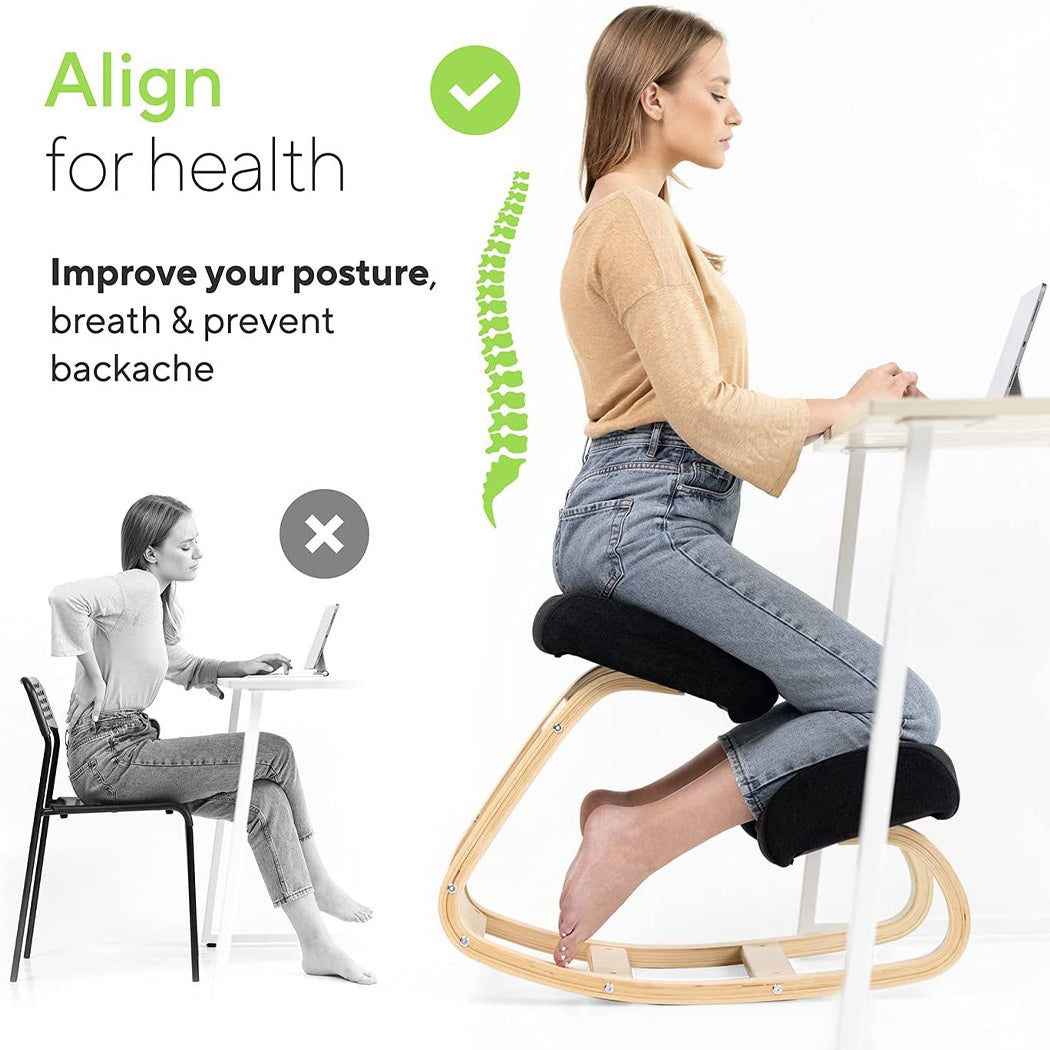
Ergonomic chairs promote a sitting position that aligns the spine. This reduces strain on back muscles and ligaments that can cause chronic pain. Many users notice less back pain after switching to ergonomic seating. People often report better posture and reduced pain, which supports investing in quality ergonomic chairs for comfort and health.
What Are the Musculoskeletal Advantages of Using Ergonomic Seating?
The musculoskeletal benefits are clear for people who spend long hours at a desk. Ergonomic chairs reduce bodily strain and lower the risk of musculoskeletal disorders. Adjustable armrests and seat height let users fine-tune their position, improving comfort and support. This adaptability is key to sustaining health and productivity over time.
Ergonomic interventions can significantly reduce physical discomfort in the workplace.
How Do Affordable Ergonomic Chairs Compare to Traditional Chairs in Value?
When considering value, it’s important to look beyond the upfront price. Ergonomic chairs may cost more initially, but they often reduce healthcare expenses and boost productivity over time. Businesses that invest in ergonomic seating can benefit from lower absenteeism and higher employee satisfaction.
Addressing sedentary behaviour in the workplace through ergonomic solutions also supports better health outcomes.
What Makes Ergonomic Chairs a Good Investment for Commercial Fit-Outs?
Affordable ergonomic chairs are a smart choice for commercial fit-outs because they last and support employee health. They can reduce work-related injuries and associated healthcare costs. Comfortable, well-supported staff are more productive, which benefits business performance. Companies that have introduced ergonomic solutions often report productivity gains, showing the value of quality seating.
How Do Price Points of Ergonomic and Traditional Chairs Differ?
Price ranges vary widely. Traditional chairs typically cost less upfront, while ergonomic models generally come at a higher initial price, depending on features and materials. The higher initial cost of ergonomic chairs is often balanced by long-term health benefits and productivity improvements. Understanding these price ranges helps businesses make informed purchasing decisions.
Which Features Define the Best Chairs for Back Pain and Workplace Wellness?
Choosing the right chair for back pain relief means looking for essential ergonomic features. The best chairs provide adjustable lumbar support, seat depth and armrests so users can personalise their seating. These elements are critical for comfort and for reducing strain during long periods of seated.
What Are Essential Ergonomic Adjustments and Design Elements?
Key ergonomic adjustments include seat height, backrest angle and armrest position. These ensure the chair fits the user's body and supports good posture. Quality materials like breathable fabrics and supportive foam also improve comfort. Prioritising these design elements can greatly enhance the seating experience and overall health.
How Do Traditional Chairs Lack in Supporting Workplace Health?
Traditional chairs often lack the support and adjustability needed for good posture. Many have fixed features that do not suit a range of users, causing discomfort and potential health problems. Common issues include poor lumbar support and inadequate seat depth, which can worsen back pain and contribute to musculoskeletal disorders. Knowing these shortcomings helps you choose better seating.
What Commercial Ergonomic Seating Solutions Does Terra Wellness Offer?
Terra Wellness specialises in ergonomic seating solutions tailored for different workplaces. Their range includes affordable ergonomic chairs designed to improve comfort and support for employees. By focusing on wellness, Terra Wellness helps organisations upgrade their environments with quality ergonomic furniture.
How Has Terra Wellness Integrated Ergonomic Chairs in Fit-Out Projects?
Terra Wellness has fitted ergonomic chairs into many commercial fit-out projects, reflecting their commitment to workplace wellness. They work with businesses to assess needs and deliver ergonomic solutions that are practical and effective. Companies using Terra Wellness chairs often report better employee satisfaction and reduced discomfort, demonstrating positive effects on workplace health.
What Case Studies Demonstrate Improved Employee Comfort and Productivity?
Several case studies show the benefits of Terra Wellness seating. For example, a corporate client reported higher comfort ratings after installing ergonomic chairs, and productivity improved. These examples highlight the value of investing in quality ergonomic seating for measurable outcomes.
How to Choose the Right Chair for Your Business’s Workplace Wellness Needs?
Choosing the right chair for workplace wellness means weighing comfort, adjustability and overall value. A well-chosen ergonomic chair can raise employee satisfaction and productivity, making it a smart investment for any business.
What Checklist Helps Select Affordable Ergonomic Chairs?
- Adjustability: Ensure the chair offers adjustable height, lumbar support, and armrests to accommodate different body types.
- Material Quality: Look for breathable fabrics and supportive cushioning to enhance comfort during long hours of use.
- Support and Service: Choose chairs from suppliers who provide good customer service to ensure ongoing satisfaction.
How to Balance Value, Features, and Health Benefits in Chair Selection?
Balancing value, features and health benefits means assessing your workplace's needs. The cheapest option can be tempting, but quality ergonomic chairs often deliver greater long-term benefits. Consider potential savings on healthcare and gains in productivity. By prioritising ergonomic features, businesses can create a healthier, more productive workplace for their employees.
Frequently Asked Questions
What are the long-term health implications of using traditional chairs?
Extended use of traditional chairs can lead to chronic back pain, poor posture and musculoskeletal disorders. Lacking support and adjustability, these chairs can increase discomfort and may contribute to conditions such as sciatica and carpal tunnel syndrome. Investing in ergonomic seating is important for long-term health and well-being.
How can businesses assess the effectiveness of ergonomic chairs?
Businesses can assess effectiveness through employee feedback and by observing changes in comfort and productivity after implementation. Staff input on comfort, pain and satisfaction is useful. Monitoring absenteeism and overall well-being helps show the impact. Regular reviews and adjustments based on employee input improve outcomes.
Are there specific ergonomic chair features that benefit remote workers?
Yes. Remote workers benefit from adjustable seat height, lumbar support and armrests, which let them tailor their seating for better posture and less discomfort. Breathable materials and adequate cushioning also help maintain comfort and focus. Investing in ergonomic seating improves the home office environment.
What role does chair material play in ergonomic design?
Chair material affects comfort and effectiveness. Breathable fabrics and supportive foams regulate temperature and provide cushioning for long sitting periods. Durable materials help the chair keep its shape and support over time. The right materials enhance user experience, posture, and reduce discomfort.
How can ergonomic chairs contribute to employee retention?
Ergonomic chairs can improve retention by increasing comfort and reducing health issues. Supported employees tend to be more satisfied, less absent and more loyal. Investing in ergonomic solutions signals a commitment to wellbeing, lifts morale and can lower turnover and hiring costs.
What are the environmental considerations when choosing ergonomic chairs?
Consider a chair's environmental impact. Look for products made from sustainable, recyclable or biodegradable materials. Manufacturers using low-VOC finishes and sustainable sourcing practices help create a greener workplace. Prioritising eco-friendly options reduces carbon footprint while supporting health through ergonomic seating.