






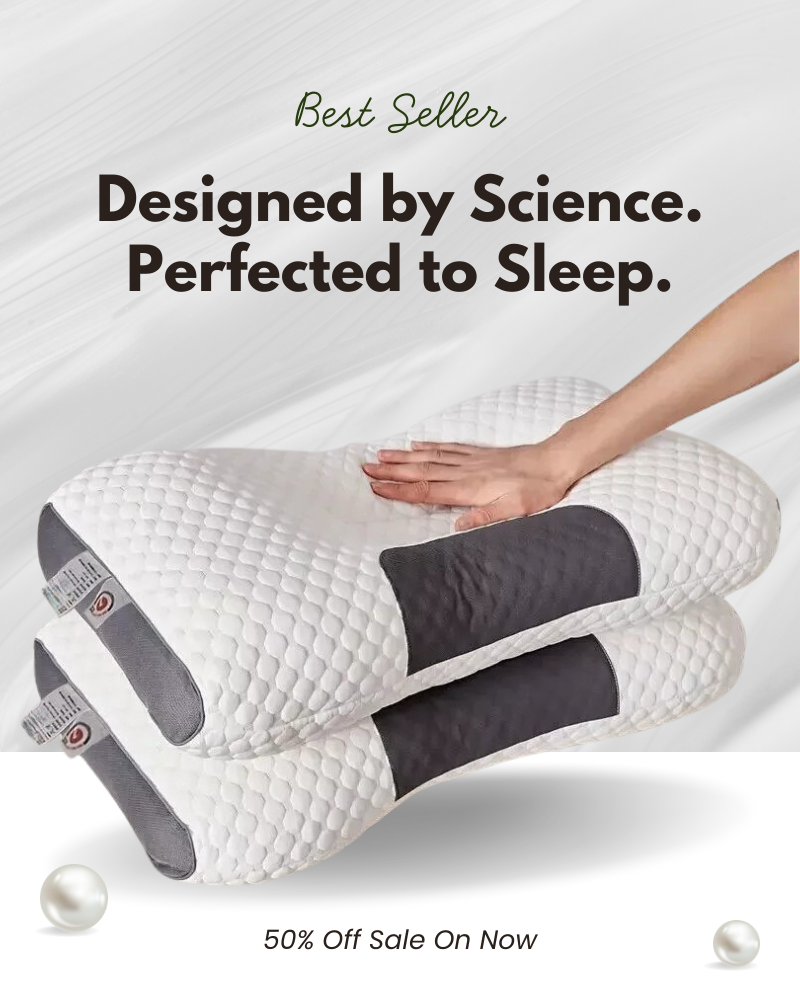
Ergonomic Pillows for Better Sleep
Ergonomic pillows support the head and neck to improve sleep quality. They help align the spine, reduce pressure on the neck and can decrease snoring for many users. Poor neck support often causes restless nights and daytime fatigue; ergonomic designs and materials address those issues. This article looks at how these pillows boost sleep, the features that make them effective, natural remedies that complement them and how they fit into commercial wellness plans.
How Do Ergonomic Pillows Improve Sleep Quality and Reduce Snoring?
By keeping the head, neck and spine in correct alignment, ergonomic pillows help keep airways open and cut down on snoring. Users tend to have fewer nighttime disturbances and deeper sleep when their pillow supports their posture. Many designs use materials that mould to the body, giving personalised support that standard pillows often lack.
Many people find that these pillows can reduce snoring severity and improve overall sleep comfort.
What Causes Snoring and How Does Sleep Posture Affect It?
Snoring comes from vibrating tissues in the throat and worsens with poor sleep posture. A head position that is too low or too high can narrow the airway and increase snoring. Sleeping on one's back also raises the risk. Sleeping on the side, supported by an ergonomic pillow that keeps the neck aligned, can reduce airway constriction and snoring.
How Ergonomic Neck Support Pillows Alleviate Snoring Symptoms
Neck support pillows use contours to cradle the head and keep the neck in line with the spine. This targeted support helps maintain an open airway during sleep. Many users report noticeable reductions in snoring and improved sleep quality after switching to an ergonomic pillow, making them a practical option for people affected by snoring.
Specialised pillows play an important role in keeping airways open and supporting restful sleep.
What Are the Key Features and Materials of Effective Ergonomic Pillows?
Effective ergonomic pillows include adjustable loft, contouring shapes and breathable fabrics to promote airflow. Material choice affects comfort and support; common options range from memory foam to natural fibres, each offering different comfort and thermal properties.
Which Pillow Designs Provide Optimal Neck and Head Support?
Pillow designs suit different sleepers. Contoured pillows work well for side sleepers by supporting the neck and shoulders. Medium-loft or traditional loft pillows can suit back sleepers. Adjustable pillows let users customise height for optimal comfort. Choosing the right design helps maintain neck and head support for better sleep.
Experts stress that a personalised sleeping system — pillow, mattress and surface — is essential for proper spinal alignment.
Sleep Ergonomics for Optimal Spine Alignment
When positioning for sleep, the spine must be in optimal alignment. For that, during sleep, the use of a proper sleeping system constituted by a head pillow, a mattress and its surface is a must. Therefore, the sleeping system should have different elastic properties, the so-called custom-made arrangement, as we differ individually from biotypes, anthropometry, bodyweight distribution, height and weight, and sleeping habits. Individuals with different sleeping characteristics require different zonal stiffnesses in the mattress in order that the mattress maintains their spine in natural alignment during the recumbent posture we adopt to sleep. Physiotherapists should encourage patients/clients to have an individually adapted sleep system according to their physical needs and conditions.
How Do Natural and Memory Foam Materials Enhance Comfort and Wellness?
Memory foam moulds to the head and neck to relieve pressure points and provide personalised support. Natural fibre pillows improve breathability and wick moisture for a cooler feel. Both material types can help improve sleep quality, offering options for those seeking comfort and reduced snoring.
What Are the Natural Remedies for Snoring Complementing Ergonomic Pillows?
Alongside ergonomic pillows, several natural remedies and lifestyle measures can support snoring reduction. These approaches focus on sleep hygiene and simple behavioural changes.
How Do Lifestyle Changes and Sleep Hygiene Support Snoring Relief?
Small lifestyle changes can reduce snoring. Maintaining a healthy weight, avoiding alcohol before bed and keeping a consistent sleep schedule all help. Good sleep hygiene — a comfortable bedroom and reduced screen time before sleep — enhances overall rest. Combined with an ergonomic pillow, these habits can improve sleep.
Which Natural Remedies Work Best Alongside Anti-Snore Pillows?
Some natural aids complement ergonomic pillows. Herbal options like peppermint and eucalyptus may help clear nasal passages, and essential oils can aid relaxation. Nasal strips can also open airways during sleep. Users often report better sleep and less snoring when combining these remedies with a supportive pillow.
How Can Commercial Fit-Out Projects Integrate Ergonomic Wellness Solutions?
Adding ergonomic wellness elements to commercial fit-outs can boost employee well‑being and productivity. Prioritising ergonomic design helps create workplaces that support comfort and health.
What Are Successful Case Studies of Commercial Wellness Fit-Outs?
Several companies have introduced ergonomic solutions and seen improved employee satisfaction and lower absenteeism. For instance, a tech firm that added ergonomic workstations and supportive pillows reported fewer complaints of neck and back pain among staff. These examples show the practical returns from investing in ergonomic wellness.
How Do Ergonomic Pillows Contribute to Workplace Health and Productivity?
Ergonomic pillows support employees during rest or recovery periods by reducing discomfort and promoting better sleep. Better-rested staff tend to be more focused and productive. Organisations that invest in employee wellness via ergonomic solutions often see improved engagement and a positive return on investment.
What Are the Common Questions About Ergonomic Pillows for Snoring Relief?
As interest grows, people commonly ask about pillow effectiveness and suitability for different sleep positions. Clear answers help consumers choose the right option.
Which Ergonomic Pillow Is Best for Different Sleep Positions?
Pick a pillow to match your sleep position. Side sleepers often need thicker, contoured pillows for neck and shoulder support. Back sleepers usually prefer medium-loft pillows that keep the spine aligned. Stomach sleepers should choose thinner pillows to avoid neck strain. Matching pillow type to position reduces snoring and boosts comfort.
How to Choose and Maintain Your Anti-Snore Pillow for Lasting Benefits?
When choosing an anti‑snore pillow, consider material, loft and firmness relative to your sleep position. Care and cleaning extend a pillow's effectiveness: follow the manufacturer's instructions, clean as recommended and store properly to keep support and comfort over time.
Different ergonomic pillow types offer distinct benefits tailored to various sleep needs.
| Pillow Type | Design Features | Benefits |
|---|---|---|
| Contoured Pillow | Curved shape for neck support | Reduces neck strain and snoring |
| Adjustable Pillow | Customisable loft | Personalised comfort for all sleep positions |
| Natural Fibre Pillow | Breathable materials | Enhances airflow and moisture control |
This comparison shows how the right ergonomic pillow can improve sleep quality and help reduce snoring.
Frequently Asked Questions
Can ergonomic pillows help with other sleep disorders besides snoring?
Yes. Ergonomic pillows aim to improve spinal alignment and can relieve issues linked to poor posture, which may include sleep apnea symptoms, insomnia and general sleep discomfort. By reducing pressure points and improving support, they can aid overall sleep quality for people with various sleep challenges.
How long does it take to adjust to using an ergonomic pillow?
Adjustment varies by person. Most people adapt within a few nights to a couple of weeks as their body gets used to the new support. Some initial discomfort is normal; allow time for your body to adjust and ensure the pillow suits your sleep position and preferences.
Are there specific cleaning instructions for ergonomic pillows?
Cleaning depends on materials. Memory foam should not be submerged; spot clean with mild detergent. Natural fibre pillows may be machine washable—check the care label. Regular airing and a pillow protector also help keep the pillow hygienic and extend its life.
What is the lifespan of an ergonomic pillow?
Ergonomic pillows usually last between 2 and 5 years, depending on the material and use. Memory foam often lasts about 3–4 years; natural fibre pillows may last longer with good care. Replace a pillow when it loses support, shows visible wear or causes persistent discomfort.
Can children use ergonomic pillows?
Children can benefit from ergonomic pillows designed for their age and size. Kids' pillows are generally lower in loft and firmer to suit smaller frames and developing bodies. Proper neck and spine support helps healthy sleep habits; consult a paediatrician if unsure about the best choice.
Are there any potential side effects of using ergonomic pillows?
Most users find ergonomic pillows safe and helpful, but some may feel initial stiffness as they adapt. Rarely, certain neck or back conditions can be aggravated by a particular design. Choose a pillow that matches your sleep position and comfort needs; if problems continue, seek advice from a healthcare professional.