






Unlock Sleep Health with Grounding
Grounding, or earthing, means making direct contact with the Earth's electric charge to support physical and mental health. People use it as a natural approach to improve sleep, especially when insomnia or stress is a factor. This article outlines the benefits, practical ways to try it, and how commercial wellness fit-outs can include grounding to support better sleep.
What Are the Key Benefits of Grounding for Sleep Health?
Grounding offers several practical benefits that can help improve sleep health.
- Reduces Insomnia: By reconnecting with the Earth's energy, grounding can help ease insomnia symptoms, allowing for deeper and more restful sleep.
- Improves Sleep Quality: Grounding can enhance overall sleep quality, leading to more refreshing and uninterrupted rest.
- Supports Overall Wellness: The practice of grounding not only aids sleep but also contributes to overall physical and mental well-being by reducing stress and promoting relaxation.
How Does Grounding Improve Sleep Quality and Reduce Insomnia?
Grounding seems to influence bodily processes. Contact with the Earth allows the body to absorb electrons that may help neutralise free radicals, lower inflammation and calm the nervous system. This can reduce cortisol, the stress hormone, and help regulate circadian rhythms. The result is an easier transition into sleep and fewer nighttime awakenings.
Which Earthing Techniques Are Effective for Insomnia Relief?
Several simple earthing methods can help reduce insomnia and improve sleep.
- Direct Contact with the Earth: Walking barefoot on natural surfaces such as grass, soil, or sand allows for direct grounding. This method is simple and can be done in your backyard or at a local park.
- Grounding Mats: These specially designed mats can be used indoors to simulate the effects of grounding. They connect to the Earth through a grounding wire and can be placed under your feet while working or sleeping.
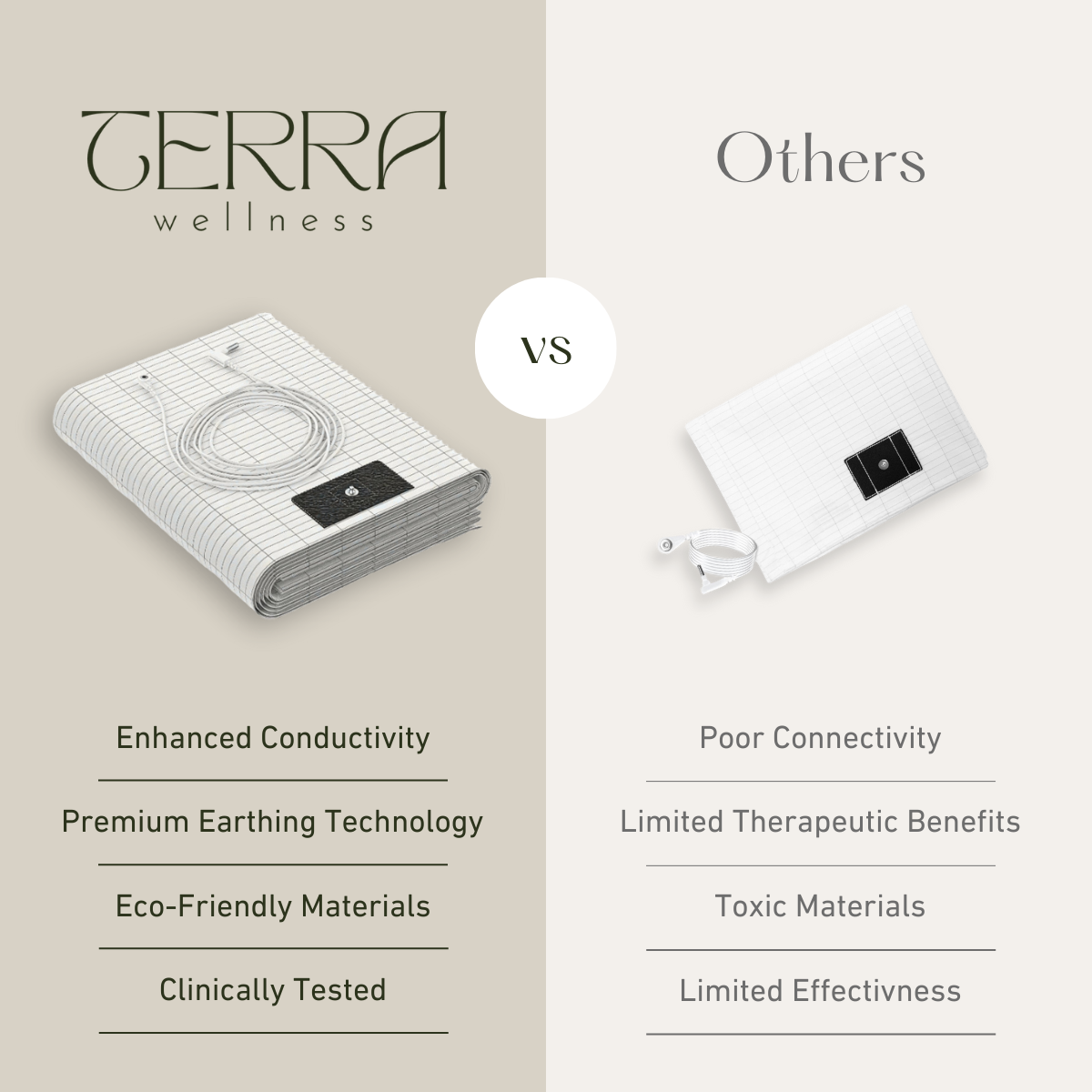
- Earthing Sheets: Similar to grounding mats, earthing sheets are conductive bed linens that allow for grounding while you sleep. They help maintain a connection to the Earth's energy throughout the night.
How to Practice Grounding Safely and Effectively at Home and Work
Follow a few straightforward steps to ground safely and effectively:
- Choose Safe Locations: When grounding outdoors, select areas free from chemicals or pollutants, such as parks or natural landscapes.
- Frequency of Practice: Aim to practice grounding for at least 30 minutes daily to experience its benefits. This can be done during breaks at work or while relaxing at home.
- Use Grounding Products: Incorporating grounding mats or sheets can enhance your grounding experience, especially when outdoor access is limited.
What Are the Best Grounding Products for Sleep Improvement?
| Product Type | Description | Effectiveness |
|---|---|---|
| Grounding Mats | Mats are designed for indoor use that connect to the Earth through a grounding wire. | High |
| Earthing Sheets | Conductive sheets that allow for grounding while sleeping. | High |
| Grounding Shoes | Footwear designed to facilitate grounding while walking outdoors. | Medium |
These products offer practical options for people who lack regular access to natural ground, making it easier to include grounding in daily routines.
How Do Commercial Wellness Fit-Outs Integrate Grounding for Sleep Health?
Commercial wellness fit-outs increasingly add grounding features to support sleep and overall well-being for staff and clients.
- Design Solutions for Wellness: Incorporating natural elements such as plants, natural light, and grounding surfaces can create a calming environment that supports sleep health.
- Impact on Employee Health: Workplaces that integrate grounding techniques often see improved employee well-being, reduced stress levels, and enhanced productivity.
- Case Studies: Various organisations have successfully implemented grounding strategies in their fit-outs, leading to noticeable improvements in employee satisfaction and health outcomes.
What Are Commercial Wellness Design Solutions That Promote Sleep Health?
Design solutions aim to create calming, restorative spaces. Key elements include natural materials, biophilic features like plants or water, and flexible areas for rest or movement.
- Natural Materials: Using wood, stone, and other natural materials can create a soothing atmosphere that promotes grounding.
- Biophilic Design: Incorporating elements of nature, such as indoor gardens or water features, can enhance the grounding experience and improve air quality.
- Flexible Spaces: Designing spaces that allow for movement and relaxation can encourage employees to engage in grounding practices throughout the day.
Can Grounding Mats and Environmental Design Enhance Workplace Sleep Quality?
Yes. Grounding mats and thoughtful environmental design can support better sleep-related outcomes for employees.
- Types of Grounding Mats: Various mats are available, including those designed for use under desks or in relaxation areas, allowing employees to ground themselves during work hours.
- Environmental Factors: Lighting, noise levels, and air quality can impact sleep quality. By addressing these elements, workplaces can create a more conducive environment for relaxation and grounding.
- User Experiences: Many employees report feeling more relaxed and focused when grounding mats are integrated into their workspaces, leading to improved overall well-being.
What Natural Remedies Complement Grounding to Improve Sleep Naturally?
Several natural remedies work well with grounding to boost sleep quality.
- Herbal Teas: Chamomile, valerian root, and lavender teas are known for their calming properties and can promote relaxation before bedtime.
- Aromatherapy: Essential oils such as lavender and bergamot can create a soothing atmosphere conducive to sleep.
- Mindfulness Practices: Techniques such as meditation and deep breathing can enhance the relaxation effects of grounding, making it easier to fall asleep.
Which Holistic Sleep Improvement Methods Work Best with Grounding?
Grounding pairs effectively with herbal remedies, mindfulness and sensible lifestyle changes to improve sleep.
- Herbal Remedies: Incorporating herbal supplements alongside grounding practices can enhance relaxation and support sleep cycles.
- Mindfulness Techniques: Engaging in mindfulness practices while grounding can deepen the relaxation experience and improve sleep onset.
- Lifestyle Changes: Implementing consistent sleep schedules and reducing screen time before bed can complement grounding efforts.
How to Combine Grounding with Other Natural Sleep Aids for Optimal Results?
To get the best effect, use grounding alongside other sleep-supporting habits:
- Timing: Practice grounding in the evening before bedtime to prepare your body for sleep.
- Routine: Establish a calming bedtime routine that includes grounding, herbal teas, and mindfulness practices.
- Consistency: Regularly practising grounding alongside other natural remedies can lead to ongoing improvements in sleep quality.
What Case Studies Demonstrate the Impact of Grounding in Wellness Projects?
Case studies show grounding can boost well-being in wellness projects and support better sleep outcomes.
- Successful Projects: Various wellness centres have integrated grounding techniques into their programmes, resulting in improved client satisfaction and health outcomes.
- Client Testimonials: Many clients report noticeable improvements in sleep quality and overall well-being after participating in grounding-focused wellness programmes.
- Impact on Health Outcomes: Grounding has been linked to reductions in stress and anxiety levels, contributing to better sleep and overall health.
How Have Commercial Fit-Outs Improved Sleep Health Through Grounding?
Commercial fit-outs that add grounding elements often see positive gains in employee wellbeing and sleep-related measures.
- Project Descriptions: Companies that have redesigned their workspaces to include grounding elements report higher employee satisfaction and reduced stress levels.
- Health Improvements: Employees in these environments often experience better sleep quality and overall well-being.
- Client Feedback: Positive feedback from clients highlights the effectiveness of grounding in enhancing workplace wellness.
What Client Testimonials Highlight the Benefits of Grounding Therapy?
Client feedback commonly highlights better sleep and reduced insomnia after adopting grounding practices.
- Positive Outcomes: Many individuals report improved sleep quality and reduced insomnia symptoms after incorporating grounding into their routines.
- User Satisfaction: Clients express high levels of satisfaction with grounding practices, noting their effectiveness in promoting relaxation and well-being.
- Recommendations: Users often recommend grounding to others seeking natural solutions for sleep issues.
What Are Common Questions About Sleep Health and Grounding Therapy?
As grounding gains interest, people often ask practical questions about its sleep benefits and safety.
How Does Grounding Affect Sleep and Cortisol Levels?
Grounding can influence both sleep and cortisol regulation.
- Cortisol's Role in Sleep: Cortisol is a hormone that regulates stress and can disrupt sleep when levels are elevated.
- Grounding's Impact: Grounding can help lower cortisol levels, promoting relaxation and improving sleep quality.
Grounding may help set the body's daily cortisol rhythm, a key factor for healthy sleep patterns.
Can Grounding Reduce Insomnia and Improve Sleep Naturally?
Yes. Grounding can reduce insomnia symptoms and support more restorative sleep.
- Effectiveness: Many people find grounding helps ease insomnia symptoms and enhances sleep quality.
- User Experiences: Individuals often report improvements in their ability to fall asleep and stay asleep after practising grounding.
- Expert Views: Health professionals increasingly recognise grounding as a helpful tool for improving sleep health and overall well-being.
Frequently Asked Questions
What is the best time to practise grounding for sleep benefits?
The best time is in the evening, about 30 minutes before bed. That timing helps lower cortisol and signals your body to wind down. Keeping to a regular schedule makes the effect stronger.
Are there any risks associated with grounding practices?
Grounding is low risk for most people. Outdoors, avoid areas with chemical contamination. If you have a pacemaker or other electrical medical device, check with a clinician before using grounding products like mats or sheets.
How long does it take to see results from grounding?
Results vary. Some people notice changes within days; others need several weeks. Frequency, individual health and lifestyle influence the timeline. Consistent practice tends to bring the best outcomes.
Can grounding be beneficial for children and adolescents?
Yes. Grounding can help reduce stress and improve sleep in younger people. Encourage supervised outdoor play and direct contact with natural surfaces to support relaxation and well-being.
What should I do if I don't have access to natural grounding surfaces?
Use grounding products like mats or earthing sheets to mimic the effect indoors. They connect to the Earth's charge via a grounding wire and can be used while working, relaxing or sleeping.
How does grounding interact with other sleep improvement methods?
Grounding works well with herbal remedies, mindfulness and aromatherapy. Combine these methods into a calming bedtime routine—grounding, a soothing tea and deep breathing—to maximise sleep benefits.