





Why Titanium Chopping Boards Belong in a Health-Minded Kitchen
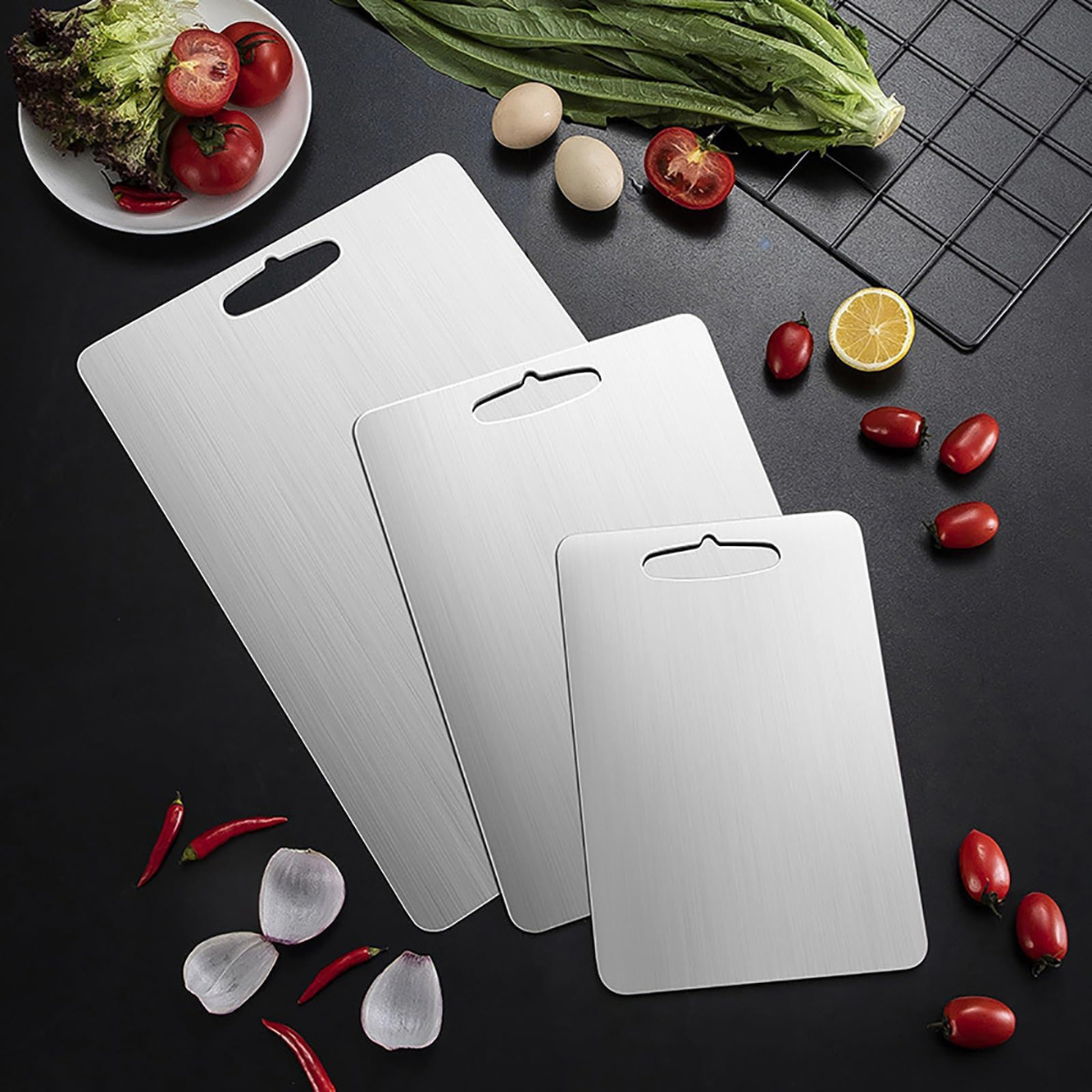
Titanium chopping boards present a hygienic, long-lasting alternative to traditional wood and plastic. Below, we explain the science behind titanium’s surface, how it compares for safety and durability, and how it fits into a thoughtful, wellness-focused kitchen. Many home cooks don’t realise how plastics and scratched wooden boards can trap bacteria or shed microplastics; titanium addresses several of those concerns while pairing naturally with other Terra Wellness products.
How does titanium’s antibacterial behaviour improve kitchen hygiene?

Titanium’s surface resists bacterial colonisation under many real-world conditions. Because it’s non‑porous, it doesn’t absorb liquids or food particles the way wood can, which reduces the places where bacteria can hide. That makes titanium boards a sensible choice if you prioritise a clean, low-risk food prep area. Beyond cleanliness, using non-absorbent materials supports overall kitchen hygiene and peace of mind.
What scientific features make titanium act as an antimicrobial surface?
Titanium forms a stable oxide layer on its surface, which limits how readily bacteria can attach and grow. This means it makes the surface less hospitable to them, which is super handy when you’re prepping raw meat, produce, or other high-risk foods.
How does a non-porous surface stop cross-contamination?
A non-porous board won’t soak up juices or trap particles, so pathogens are far less likely to hide below the surface. That makes cleaning and sanitising straightforward. By contrast, wooden and badly scored plastic boards can develop grooves that shelter bacteria. Choosing a non‑porous material like titanium helps reduce those hidden contamination points and makes routine hygiene more reliable.
Non-porous surfaces are key to limiting pathogen spread during food prep.
Why are titanium chopping boards safer than plastic or wood?
Titanium stands apart because it’s inert and won’t leach chemicals into food the way some plastics can when heated or worn. It also avoids the microplastic shedding associated with many synthetic boards. For people focused on food safety and long-term health, titanium removes a number of contamination concerns tied to other common board materials.
How do titanium boards avoid microplastic and chemical contamination?
Titanium boards contain none of the plasticisers or additives found in many polymer products — no BPA or phthalates to migrate into food under heat or wear. They also don’t generate microplastic fragments when cut against, unlike polyethylene boards that can shed particles with regular use. That makes titanium an attractive option for consumers who want to limit chemical and particulate exposure from food-contact surfaces.
It's worth noting that standard plastic chopping boards can release microplastic particles during normal use.
What makes titanium non-toxic and safe for food?
Titanium is widely recognised as biocompatible and hypoallergenic, which is why it’s used in medical implants and food-contact applications. It doesn’t react with acids, oils or flavour compounds, so the food taste stays true. Many grades of titanium also meet food-safety standards, giving you confidence that the board is a stable, food-safe surface.
What makes titanium chopping boards a durable, sustainable kitchen investment?
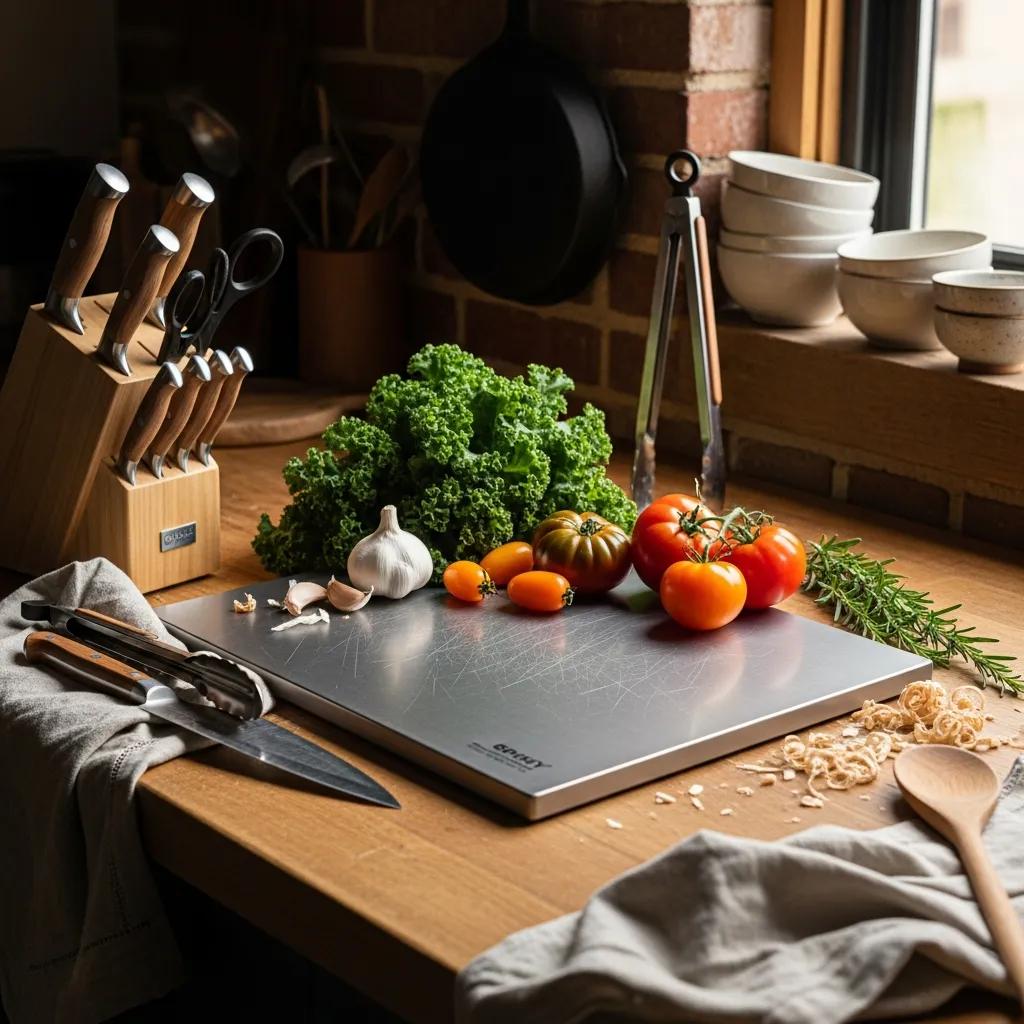
Titanium boards are exceptionally durable: they resist warping, cracking and corrosion, so they outlast many wooden or plastic alternatives. That longevity reduces the frequency of replacements and the waste that comes with disposable or short-lived boards — a clear sustainability win over the product’s life cycle.
How does titanium resist warping, cracking and corrosion?
The metal’s structure and stable oxide film let it tolerate moisture, temperature swings and everyday wear without deforming or corroding. While wood can swell and plastic can crack under strain, titanium retains its shape and surface integrity, making it well-suited to busy home kitchens.
Why is durability important for eco-friendly kitchenware?
Durable goods mean fewer replacements, less manufacturing demand and reduced landfill. Choosing a long-lived material like titanium supports a lower-impact kitchen over time and can save money when you consider how often cheaper boards need replacing.
Do titanium cutting boards protect your knives and improve cooking?
Titanium is a hard metal, which makes it very durable but also relatively abrasive to knife edges. That means titanium boards can dull blades faster than softer materials like wood or polyethylene. If knife-edge retention is a priority, expect to sharpen more often when using titanium — it’s a trade-off between surface longevity and blade wear.
What are the best practices for cleaning and maintaining titanium boards?
Cleaning is simple: warm water, a mild dish soap and a soft cloth or sponge are all you need. Avoid abrasive cleaners or scouring pads that could scratch the finish. Unlike wood, titanium won’t need oiling or special conditioning, and it resists stains — just dry it after washing to keep the surface looking its best.
How does a titanium chopping board fit into a holistic wellness kitchen?
Adding a titanium board to a wellness-focused kitchen aligns with a broader approach to safer, cleaner food prep and fewer disposable products. Its hygienic surface and longevity pair naturally with other Terra Wellness offerings to create a mindful, health-forward kitchen setup.
How does using titanium boards complement other Terra Wellness products?
Titanium boards sit comfortably alongside grounding mats, hydration tools and other wellness essentials: they’re another intentional choice that supports a clean, balanced home environment. Together, these products help create a kitchen that’s practical, health-conscious and designed for daily wellbeing.
What are customer experiences with titanium boards in healthy kitchens?
Customers tell us they value the confidence titanium brings — easier cleaning, fewer stains and the reassurance of a non‑toxic surface. Many praise the longevity and low maintenance, and they appreciate knowing they’ve removed a potential source of microplastics and chemical migration from their food-prep routine.
| Feature | Titanium | Plastic | Wood |
|---|---|---|---|
| Antimicrobial Properties | Yes (oxide layer helps limit growth) | No | Limited |
| Non-Toxic | Yes | Some plastics may contain additives | Yes |
| Durability | High | Medium | Low |
| Maintenance | Low | Medium | High |
| Environmental Impact | Low (long life, recyclable) | High | Medium |
Titanium chopping boards are a strong option when you prioritise hygiene, durability and reduced chemical or microplastic exposure. Understanding these practical benefits helps you choose kitchen tools that support both your health goals and a more sustainable routine.
Frequently Asked Questions
Are titanium chopping boards suitable for all types of food preparation?
Yes — titanium boards handle fruits, vegetables, meats and bread well because they don’t absorb juices or odours. Bear in mind their hardness: use good-quality knives and expect to sharpen more often than you would with softer boards.
How do titanium chopping boards compare to traditional boards?
They represent a considered investment due to the material and manufacturing, but their long lifespan and low maintenance can make them more economical over time compared with boards that need frequent replacement.
Can titanium chopping boards be recycled?
Yes. Titanium is recyclable, which helps its sustainability profile. Check your local recycling options for metal goods to confirm how best to dispose of or recycle a board at the end of its life.
What are the potential downsides of using titanium chopping boards?
Main drawbacks are blade wear (they can dull knives faster) and a higher initial cost. Also, avoid abrasive cleaners that could scratch the surface and reduce hygiene benefits.
How do I know if a titanium chopping board is of high quality?
Look for product details that state the titanium grade, corrosion resistance and any food-safety certifications. Reviews and brand reputation are also helpful indicators of real-world performance.
What cleaning products are safe to use on titanium chopping boards?
Stick to mild dish soap, warm water and a soft cloth or non-abrasive sponge. Rinse and dry thoroughly. Avoid bleach or harsh scouring pads that could damage the finish.
Can titanium chopping boards be used for both cooking and serving?
Absolutely. Their clean look and hygienic surface make them great for prep and for presenting cheese, charcuterie or starters. They’re durable enough to double as serving boards when you want a sleek, sanitary presentation.