






Kneeling Chair vs Office Chair Showdown
What Are the Key Design Features of Kneeling Chairs and Traditional Office Chairs?
Kneeling and traditional office chairs are built around different movement and support philosophies. Kneeling chairs open the hip angle and encourage a more active sitting posture, which helps keep the spine aligned and spreads body weight more evenly. Traditional office chairs focus on adjustability — think height, lumbar support and arm positioning — so users can fine‑tune the chair to their body and tasks.
How Does the Kneeling Chair Promote Active Sitting and Spinal Alignment?
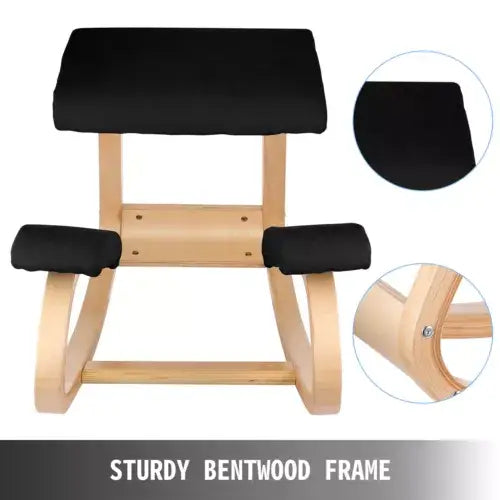
Kneeling chairs position the pelvis forward and the torso upright, which preserves the spine’s natural curve and reduces lower‑back compression. That tilt invites subtle movement and engages core muscles, which many users say leaves them feeling steadier and more alert. For people with mild posture issues, kneeling chairs can be a useful part of a broader strategy to reduce back strain.
What Adjustable Features Define Traditional Ergonomic Office Chairs?
Traditional ergonomic chairs give you control over how you sit. Typical adjustments include seat height and depth, lumbar support, tilt and armrest placement. These controls let you set a neutral spine position, redistribute pressure, and adapt the chair for different work modes — from focused desk work to longer meetings.
What Are the Benefits and Drawbacks of Kneeling Chairs Compared to Traditional Office Chairs?
Choosing the right chair means balancing advantages with real‑world limitations. Both chair types can support healthier sitting habits, but they do so in different ways and suit different users and tasks.
Which Health Benefits Does a Kneeling Chair Offer for Back Pain and Posture?
Kneeling chairs can reduce lumbar pressure and encourage a more natural spinal alignment, which for some people leads to less back pain and improved posture over time. Because they promote active sitting, they can also help circulation and reduce the static load on the lower back that comes from slumping in a conventional seat.
What Are the Potential Disadvantages and Adaptation Challenges of Kneeling Chairs?
Kneeling chairs aren’t a one‑size‑fits‑all solution. Some users feel pressure on their knees or shins, and there’s often an adjustment period as muscles and joints adapt. People with existing knee or joint conditions should approach them cautiously, and many find that alternating seating styles — kneeling for focused blocks and a supportive office chair for longer stretches — works best.
How Do Kneeling Chairs and Traditional Office Chairs Compare in Supporting Long Hours and Core Engagement?
Both chair types have strengths for extended work. The right choice depends on work patterns, the need for sustained lumbar support, and whether you want to encourage more active sitting during the day.
Can Kneeling Chairs Be Used Effectively for Extended Work Sessions?
You can use a kneeling chair for longer sessions, but most people benefit from mixing positions. Breaks and alternating between a kneeling and a conventional chair reduce local pressure and let different muscle groups rest. Listen to your body and schedule movement breaks — that’s just as important as the chair itself.
How Do Traditional Chairs Provide Sustained Comfort and Lumbar Support?
Traditional office chairs are designed to sustain comfort over long shifts. Effective lumbar support, cushioning and a range of adjustments let you preserve the spine’s S‑curve and settle into a supportive posture. When properly set up, a high‑quality ergonomic chair can be the more practical choice for staff who spend most of the day seated.
Which Chair Type Is Best Suited for Commercial Fit-out Projects and Employee Well-being?
For commercial fit‑outs, the right seating strategy balances comfort, durability and user needs. Both kneeling and traditional chairs can be part of a healthy workplace — the choice depends on task profiles, budget and how much variety you want to encourage in daily posture.
What Factors Should Businesses Consider When Choosing Between Kneeling and Traditional Chairs?
Consider who will use the chairs, how long they’ll be seated, and any known health concerns. Traditional ergonomic chairs are often the safer default for long shifts because of their adjustability and cushioning. Kneeling chairs can be a smart addition where active sitting is encouraged or where short‑to‑medium blocks of focused work are common. Budget, maintenance and long-term value also matter when planning for a full office rollout.
How Does Terra Wellness Integrate Ergonomic Seating Solutions in Commercial Workspaces?
We take a practical, people‑centred approach. First, we assess the tasks, user needs and the space. Then we recommend seating mixes that promote movement and provide reliable support — combining adjustable office chairs with task‑specific options like kneeling chairs where appropriate. We also share setup guidance and simple movement protocols so teams get the most benefit from their seating investment.
What Are the Latest Trends in Ergonomic Seating for Offices in 2024?
In 2024, the focus is on adaptable, breathable designs that support movement and multiple postures. Materials that improve airflow, responsive backrests, and modular seating systems are becoming more common as manufacturers respond to hybrid work patterns and a greater emphasis on wellbeing.
How Do 2024 Ergonomic Chair Trends Emphasise Movement and Breathability?
Designers now prioritise flexibility — chairs that let people shift position easily, and that use breathable materials to reduce heat build‑up. The idea is to support dynamic sitting, so users aren’t locked into one posture for hours. This trend aligns with the understanding that small, frequent posture changes can reduce discomfort and improve concentration.
What Are Common Questions About Kneeling Chairs vs Traditional Office Chairs?
Below, we answer the questions we hear most often from people weighing their seating options. If you need a personalised recommendation, our team can help assess your specific needs.
Are Kneeling Chairs Better for Posture Than Ergonomic Office Chairs?
Kneeling chairs can promote a more upright posture by design, which helps some people maintain spinal alignment. That said, a well‑adjusted ergonomic office chair can also support excellent posture. The best option depends on personal comfort, existing conditions and how the chair will be used throughout the day.
How Do Kneeling Chairs Strengthen Core Muscles and Reduce Back Pain?
Kneeling chairs encourage subtle muscle engagement to stay balanced, which can build core stability over time. They also change pressure distribution in the lower back, which, for some users, reduces discomfort. Remember that strengthening alone isn’t a cure; combining good seating with movement and targeted exercises gives the best results.
Frequently Asked Questions
What is the ideal duration for using a kneeling chair each day?
We typically recommend 2–4 hours per day for most users, especially when first starting. That window helps you gain the posture and core benefits without overloading knees or shins. Alternate with a supportive office chair and take regular breaks to move and stretch.
Can kneeling chairs be adjusted for different body types?
Yes — many kneeling chairs offer seat height and knee‑pad angle adjustments to fit different body proportions. Not all models provide the same range, so choose one with clear adjustability if multiple people will use it or if you fall outside average sizing.
Are there specific exercises to complement the use of a kneeling chair?
Yes. Short stretches and strengthening moves for the core, hips and lower back complement active sitting. Simple examples include hip flexor stretches, gentle back extensions and seated leg lifts during breaks. Regular activity like yoga or pilates also helps make the transition to different seating more comfortable.
How do I choose the right kneeling chair for my workspace?
Look for adjustability, durable materials and a knee pad that spreads pressure comfortably. Consider the breathability of the seat, product longevity and how the chair fits with your workspace layout. If possible, trial a model before buying — personal fit matters more than specifications alone.
What maintenance is required for kneeling chairs?
Maintenance is straightforward: check and tighten fasteners periodically, wipe surfaces clean, and replace worn knee pads when they begin to lose support. Follow the manufacturer's care instructions for upholstery to keep the chair looking and performing well.
Can using a kneeling chair help with specific health conditions?
Kneeling chairs can help people with certain types of back pain or poor posture by encouraging a more neutral spine position. However, anyone with knee, hip or joint conditions should consult a healthcare professional before switching. Personal comfort and medical advice should guide your decision.