






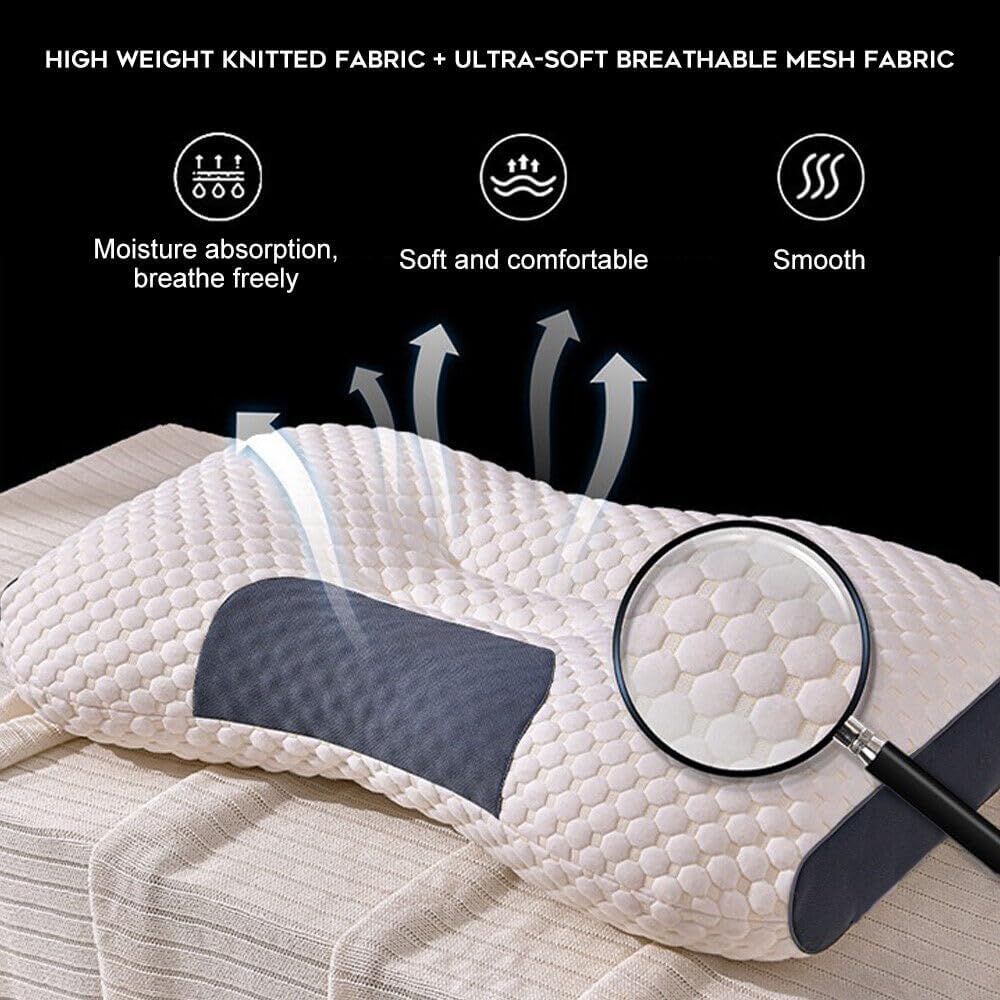
Sleep Better with Ergonomic Pillows
Ergonomic pillows support the head, neck and spine to improve sleep quality and comfort. By preserving proper alignment, they reduce airway collapse and can lower snoring frequency. Poor neck support and posture often cause restless nights and daytime fatigue; ergonomic designs aim to correct that. Below we outline the benefits, key features and practical use cases — including how Terra Wellness integrates these pillows into commercial sleep solutions.
Using specialised pillows as part of positional therapy can help reduce snoring severity.
What Are Ergonomic Pillows and How Do They Help with Snoring?
Ergonomic pillows are shaped to support the neck's natural curve and keep the head aligned with the spine. That alignment helps maintain airway openness, which can reduce the mechanical causes of snoring. Contoured profiles cradle the head and deliver targeted support where soft tissue collapse most often occurs.
How Do Ergonomic Pillows Support Neck Alignment and Airway Openness?
Maintaining neck alignment preserves the airway during sleep. Ergonomic pillows use profiles and compliant materials that match the neck's curvature. Many models have a higher contour on one side to support the cervical spine while the head rests naturally. This reduces pressure points and encourages a posture that keeps the airway open, lowering the chance of snoring.
Anti-snoring pillows are effective in improving airway alignment and keeping the airway open.
What Are the Key Features of Anti-Snore and Sleep Posture Pillows?
Anti-snore and posture pillows include several design elements that improve effectiveness and comfort.
- Contoured Design: Many ergonomic pillows are shaped to fit the natural curve of the neck and head, providing optimal support.
- Adjustable Loft: Some pillows allow users to adjust the height and firmness, catering to individual sleep preferences.
- Breathable Materials: High-quality ergonomic pillows often use breathable fabrics that help regulate temperature and wick away moisture, ensuring a comfortable sleep environment.
Combined, these features support better sleep posture and can lower snoring frequency.
What Are the Benefits of Ergonomic Pillows for Snoring Relief and Sleep Quality?
The benefits extend beyond snoring relief to improved overall sleep continuity and comfort. Proper support reduces neck pressure, helps maintain spinal alignment and can lead to fewer nighttime disturbances.
How Do Ergonomic Pillows Reduce Snoring Frequency and Improve Sleep?
Ergonomic pillows help keep the airway open by aligning the head and neck, which reduces obstruction and noisy breathing. Many users report fewer awakenings and quieter sleep, contributing to better overall sleep quality.
Using pillows designed to change head position can significantly reduce snoring severity and improve sleep comfort.
What Are the Orthopaedic Benefits of Neck Pain and Posture Correction?
Ergonomic pillows relieve neck pain by supporting the cervical curve and reducing muscular strain. Improved support encourages better posture, easing tension in the neck and shoulders. Over time, consistent use can aid spinal alignment and broader musculoskeletal health.
Which Natural Materials and Designs Enhance Ergonomic Pillow Effectiveness?
Material choice affects both comfort and performance. Natural, sustainable materials often improve breathability and reduce exposure to irritants, while technical foams deliver contouring and pressure relief.
Why Choose Natural and Sustainable Materials for Sleep Wellness?
Materials like organic cotton and bamboo offer breathability and hypoallergenic benefits, helping to reduce contact with chemicals and allergens. Sustainable options also support environmental goals, which matters to many purchasers.
How Do Memory Foam and Other Materials Affect Pillow Performance?
Memory foam conforms to head and neck contours for pressure relief and support. Latex and gel-infused foams add responsiveness, cooling and improved airflow. The chosen material directly influences comfort, support and thermal performance.
How Does Terra Wellness Deliver Commercial Fit-Out Projects Featuring Ergonomic Pillows?
Terra Wellness delivers ergonomic solutions for commercial spaces by specifying and integrating pillows into sleep environments. Their approach combines wellness-led design with practical implementation to enhance guest comfort and operational outcomes.
What Are Examples of Terra Wellness’ Past Ergonomic Pillow Projects?
Terra Wellness has completed projects that place ergonomic pillows in hotels and wellness retreats to create restful guest environments. Project feedback highlights improvements in guest comfort, satisfaction and perceived sleep quality.
How Do Commercial Sleep Solutions Benefit from Ergonomic Pillow Integration?
Adding ergonomic pillows to commercial sleep offerings raises guest comfort and can boost satisfaction and repeat business. Prioritising wellbeing through ergonomic choices may also reduce sleep-related complaints and associated costs over time.
What Are Common Questions About Ergonomic Pillows for Snoring Relief?
As demand grows, prospective users commonly ask how effective these pillows are and how to use them. Clear guidance helps buyers select the right solution for their needs.
Can Ergonomic Pillows Cure Snoring or Just Reduce It?
Ergonomic pillows can substantially reduce snoring by improving airway alignment, but they are not a guaranteed cure. Factors such as body weight, sleep position and underlying health conditions also affect snoring. Many users do report clear reductions in frequency and improved sleep when using these pillows.
How Should You Use Ergonomic Pillows for Best Results?
For best results, match pillow height and firmness to your sleeping position: side sleepers often need higher lofts, back sleepers usually prefer medium lofts. Consistent positioning and correct setup help the pillow work as intended.
Frequently Asked Questions
What types of sleepers benefit most from ergonomic pillows?
Side and back sleepers benefit most. Side sleepers typically need a higher loft to keep the neck aligned; back sleepers usually prefer a medium loft that supports the cervical curve. Stomach sleepers may find many ergonomic pillows too high or firm, which can strain the neck. Selecting the right pillow for your position is essential to gain the benefits.
How do I clean and maintain my ergonomic pillow?
Most ergonomic pillows include a removable cover that is machine washable; follow the manufacturer's care instructions. Spot clean the pillow itself with mild detergent and water when needed, and air it regularly to prevent moisture build-up and retain shape.
Are there any side effects of using ergonomic pillows?
Some users experience a short adjustment period with temporary neck or shoulder discomfort as the body adapts. Persistent pain may indicate the pillow is not the right fit. If discomfort continues, seek advice from a healthcare professional to choose a more suitable option.
Can ergonomic pillows help with conditions other than snoring?
Yes. Ergonomic pillows can help with neck pain, certain headaches and some sleep-disordered breathing symptoms by promoting spinal alignment and reducing pressure points. Users with specific medical concerns should consult a healthcare provider for tailored guidance.
How long do ergonomic pillows typically last?
Lifespan depends on the material and use. Quality memory foam and latex pillows commonly last several years; natural fillings may need earlier replacement. Replace a pillow when it loses shape, causes discomfort, or shows visible wear.
What should I look for when purchasing an ergonomic pillow?
Consider material, loft and firmness. Choose breathable, hypoallergenic fabrics and look for adjustable-loft options to suit your sleep position. Many products offer trial periods or return options to help you find the right fit without ongoing worry.