






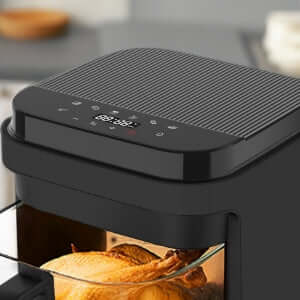
Glass Air Fryer vs. Traditional Frying
The debate over glass air fryers versus traditional frying has grown as kitchens focus more on health. This article compares how each method works, explains how glass air fryers reduce fat, outlines low‑fat techniques for commercial kitchens, and describes how Terra Wellness supports fit-outs that prioritise wellness. By the end, you'll understand why glass air fryers are often the healthier choice.
What Are the Key Differences Between Glass Air Fryers and Traditional Frying Methods?
They differ in cooking method and health impact. Glass air fryers use rapid air circulation to produce a crispy finish with little or no oil. Traditional frying submerges food in hot oil, increasing fat content and related health risks.
How Does a Glass Air Fryer Work Compared to Deep Frying?
Glass air fryers circulate hot air around food for even cooking and a crisp exterior, typically using minimal oil. Deep frying immerses food in oil, which leads to higher fat absorption. Air frying also shortens cook times, speeding up meal prep.
What Are the Advantages of Glass Air Fryers Over Traditional Fryers?
Glass air fryers offer clear benefits:
- Healthier Cooking: Glass air fryers significantly reduce fat intake by using minimal oil, which can lead to lower calorie consumption.
- Ease of Use: They are generally easier to operate and clean compared to traditional fryers, which require extensive maintenance.
- Versatility: Glass air fryers can be used for a variety of cooking methods, including baking, grilling, and roasting, making them a multifunctional kitchen appliance.
How Do Glass Air Fryers Promote Healthier Cooking and Reduce Fat Intake?
By cutting or eliminating added oil, glass air fryers reduce overall fat in dishes while helping preserve more of the food's nutrients compared with deep frying.
What Are the Health Benefits of Using Glass Air Fryers?
Glass air fryers deliver measurable health benefits, including:
- Reduction in Calorie Intake: By using less oil, meals prepared in glass air fryers are lower in calories, which can aid in weight management.
- Lower Risk of Chronic Diseases: Reduced fat consumption is associated with a lower risk of heart disease and other chronic conditions.
- Improved Nutrient Retention: The cooking process in air fryers helps preserve essential nutrients that can be lost in traditional frying.
How Does Traditional Frying Increase Health Risks?
Traditional frying raises health risks because:
- Increased Fat Content: Foods cooked in oil absorb significant amounts of fat, leading to higher-calorie meals.
- Potential Carcinogens: The high temperatures used in frying can produce harmful compounds that may pose health risks.
- Long-term Health Implications: Regular consumption of fried foods is linked to obesity, heart disease, and other health issues.
Traditional frying can also affect indoor air quality by generating particulate matter and other emissions that may impact health.
What Are Effective Low-Fat Cooking Methods Using Glass Air Fryers in Commercial Kitchens?
In commercial kitchens, glass air fryers slot into low‑fat workflows to support healthier menu options and more consistent portion control.
Which Cooking Tips Enhance Healthy Air Frying Benefits?
To maximise the health benefits of air frying, consider the following tips:
- Optimal Temperature Settings: Cooking at the right temperature ensures food is cooked thoroughly while maintaining a crispy texture.
- Food Preparation Techniques: Prepping food by cutting it into uniform sizes can promote even cooking.
- Ingredient Choices: Opt for fresh, whole ingredients to enhance the nutritional value of meals.
How Can Commercial Kitchens Integrate Glass Air Fryers for Wellness?
Commercial kitchens can effectively integrate glass air fryers by:
- Design Considerations for Kitchen Fit-Outs: Ensuring that air fryers are strategically placed for easy access and use.
- Training Staff on Air Fryer Use: Providing comprehensive training to staff on how to operate and maintain air fryers for optimal results.
- Monitoring Health Outcomes: Tracking the impact of healthier cooking methods on customer satisfaction and health outcomes.
How Does Terra Wellness Support Commercial Kitchen Fit-Outs Incorporating Glass Air Fryers?
Terra Wellness supports commercial kitchen fit‑outs that include glass air fryers, helping clients create environments focused on healthier cooking and operational efficiency.
What Are Terra Wellness’s Commercial Fit-Out Solutions for Healthy Cooking?
Terra Wellness provides a range of fit‑out solutions, including:
- Custom Kitchen Designs: Tailored designs that accommodate glass air fryers and other health-oriented appliances.
- Health-Oriented Appliance Integration: Ensuring that kitchens are equipped with appliances that promote healthier cooking methods.
- Consultation Services: Providing expert advice on the best practices for integrating wellness-focused cooking technologies.
Can You See Case Studies of Healthy Kitchen Projects Featuring Glass Air Fryers?
Terra Wellness has completed projects that demonstrate the practical benefits of adding glass air fryers to commercial kitchens. The case studies include:
- Project Descriptions: Detailed accounts of kitchen fit-outs that prioritise health and wellness.
- Health Outcomes Achieved: Evidence of improved customer health and satisfaction resulting from healthier cooking practices.
- Client Testimonials: Feedback from clients who have experienced the benefits of incorporating glass air fryers into their operations.
How Should You Choose and Maintain Glass Air Fryers for Optimal Health Benefits?
Selecting and maintaining glass air fryers correctly ensures they deliver the intended health and operational benefits in a commercial setting.
What Factors Should You Consider When Selecting a Glass Air Fryer?
When selecting a glass air fryer, consider the following factors:
- Capacity and Size: Ensure the air fryer can accommodate the volume of food typically prepared in your kitchen.
- Features and Functionalities: Look for models with adjustable temperature settings and cooking presets for versatility.
- Brand Reputation: Choose reputable brands known for quality and reliability in kitchen appliances.
What Are Best Practices for Maintaining Glass Air Fryers in Commercial Settings?
To maintain glass air fryers effectively, follow these best practices:
- Cleaning Routines: Regularly clean the cooking basket and heating element to prevent buildup and ensure optimal performance.
- Regular Inspections: Conduct routine checks to ensure all components are functioning correctly and safely.
- Troubleshooting Common Issues: Familiarise staff with common problems and solutions to minimise downtime.
Frequently Asked Questions
What are the long-term benefits of using glass air fryers in commercial kitchens?
Using glass air fryers in commercial kitchens can lead to long-term benefits such as reduced operational costs due to lower oil consumption and energy efficiency. Additionally, they promote healthier menu options, which can enhance customer satisfaction and loyalty. Over time, this can result in a positive brand image and increased sales as health-conscious consumers seek out establishments that prioritise wellness in their cooking methods.
How do glass air fryers affect food texture compared to traditional frying?
Glass air fryers can produce a crispy texture similar to traditional frying but with significantly less oil. The rapid air circulation technology ensures even cooking and browning, which enhances the food's texture without the greasiness associated with deep frying. This method allows for a satisfying crunch while retaining moisture inside the food, making it a preferred choice for many chefs and home cooks alike.
Can glass air fryers help with portion control in commercial settings?
Yes, glass air fryers can assist with portion control in commercial kitchens. Their design allows for consistent cooking results, which can help chefs serve uniform portions. Additionally, by using less oil, the overall calorie content of meals is reduced, making it easier to manage serving sizes and promote healthier eating habits among customers, aligning with wellness-focused dining trends.
What maintenance tips can extend the lifespan of glass air fryers?
To extend the lifespan of glass air fryers, implement regular cleaning routines, including washing the cooking basket and checking the heating element for residue buildup. Conduct routine inspections to ensure all components are functioning properly. Additionally, avoid exposing the glass to sudden temperature changes, and store the appliance in a safe, dry place to prevent damage and ensure optimal performance over time.
Are there specific recipes that work best with glass air fryers?
Glass air fryers excel with recipes that benefit from a crispy exterior and tender interior. Ideal options include air-fried vegetables, chicken wings, and fish fillets. Baked goods like muffins and pastries also perform well due to the even heat distribution. Experimenting with marinated meats and frozen snacks can yield delicious results while minimising oil usage, making them healthier alternatives to traditional frying methods.
How do glass air fryers contribute to reducing food waste?
Glass air fryers can help reduce food waste by allowing for precise cooking, which minimises overcooking and ensures that food retains its quality. Their versatility means that leftover ingredients can be repurposed into new dishes, such as using roasted vegetables in salads or wraps. Additionally, the ability to cook smaller batches can help kitchens manage inventory better, reducing the likelihood of spoilage.
Are glass air fryers energy-efficient compared to traditional fryers?
Yes, glass air fryers typically use rapid air circulation to cook faster at lower temperatures, which lowers energy use. Traditional fryers often require long heating of large oil volumes, increasing energy demand. Choosing an air fryer can reduce energy costs and support more sustainable kitchen operations.
Can glass air fryers be used for baking and roasting?
Yes — glass air fryers are versatile. Their design promotes even heat distribution, so you can bake and roast items like vegetables, small pastries, and roasted meats with consistent results, while using less oil than traditional methods.
What types of food are best suited for glass air frying?
Glass air fryers work well for vegetables, meats, and many baked goods. Foods that benefit from a crispy surface—potatoes, chicken wings, fish—perform particularly well. They also handle frozen products evenly without excess oil.
How do I prevent food from sticking in a glass air fryer?
Use a light coating of oil or cooking spray on the basket, preheat the unit before adding food, and cut items to uniform sizes for even cooking. Regularly clean the basket to maintain its non‑stick condition.
Are there any safety concerns with using glass air fryers?
Glass air fryers are safe when used correctly. Avoid sudden temperature changes to the glass, follow the manufacturer's instructions, handle hot parts with care, and place the unit on a stable, heat‑resistant surface.
How do glass air fryers compare in price to traditional fryers?
Prices vary, but many glass air fryers offer good value considering their energy efficiency, reduced oil use, and multifunctionality. Investing in a quality air fryer can be a smart choice for kitchens aiming to improve health outcomes and operational efficiency.
Can I use aluminium foil or parchment paper in a glass air fryer?
Yes, if used correctly. Do not block air flow—use small, secured pieces to line the basket or wrap food. Ensure foil or paper is fixed so it won't lift and interrupt circulation or contact heating elements.