






Natural Sleep Remedies Unveiled
Many people seek better sleep through grounding (earthing) and traditional sleep aids. Grounding—direct contact with the earth—is said to aid sleep by regulating circadian rhythms and lowering stress. This article compares grounding with conventional sleep aids, covering mechanisms, benefits and risks, and outlines how grounding fits with pharmaceutical options, commercial wellness fit-outs and other non‑pharmaceutical approaches.
What Is Grounding and How Does It Improve Sleep Quality?
Grounding, or earthing, means connecting to the earth's electrical potential by walking barefoot on natural surfaces or using grounding devices. Proponents say this helps regulate circadian rhythms, which are vital for healthy sleep. By reducing inflammation and stress, grounding may improve sleep quality and overall well‑being. Many people find grounding promotes relaxation and can lower cortisol, supporting more restful nights.
How Does Electrical Grounding Affect Circadian Rhythm Regulation?
Electrical grounding may sync the body's internal clock with the earth's natural rhythms, helping to promote melatonin release and stabilise the "circadian rhythm". People who practise grounding often report improved sleep patterns and fewer insomnia symptoms, indicating its potential as a natural sleep aid.
Grounding may play a role in aligning the body's internal clock with environmental rhythms.
What Are the Benefits of Grounding for Sleep?
Benefits of grounding for sleep include:
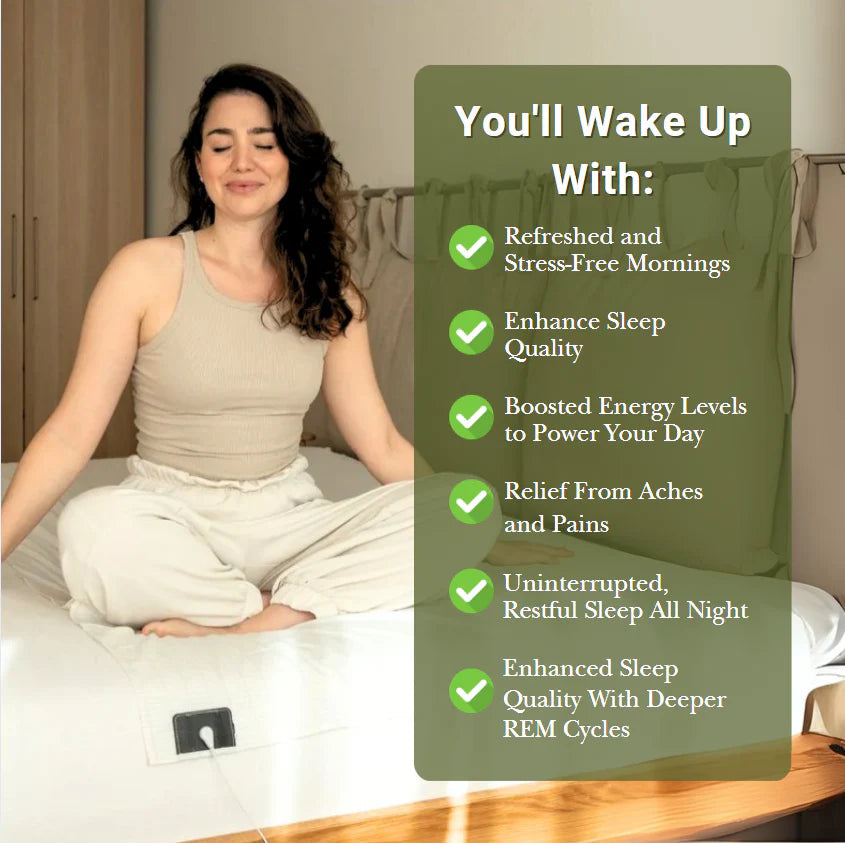
- Improved Sleep Quality: Grounding has been linked to deeper, more restorative sleep.
- Reduced Stress Levels: By lowering cortisol levels, grounding can help alleviate anxiety and promote relaxation.
- Enhanced Recovery: Grounding may aid in faster recovery from physical exertion, contributing to better overall sleep.
These benefits suggest grounding can be a useful natural option for those managing sleep disturbances.
Grounding technologies, such as earthing mats, are popular for their effects on sleep quality and stress reduction.
What Are Traditional Sleep Aids and Their Risks?
Traditional sleep aids—both over‑the‑counter and prescription—are commonly used to address sleep problems. They typically alter brain chemistry to induce sleep, but carry potential risks and side effects that users should understand.
Which Types of Pharmaceutical Sleep Medications Are Commonly Used?
Common pharmaceutical sleep medications include:
- Benzodiazepines: Often prescribed for short-term insomnia, but can lead to dependence and withdrawal symptoms.
- Non-benzodiazepine sleep aids: Medications like zolpidem and eszopiclone are popular for their sedative effects but may cause side effects such as dizziness and daytime drowsiness.
- Antidepressants: Some antidepressants are used off-label for sleep, but they can have varying effects on sleep architecture.
These medications can be effective in the short term, but often do not address the underlying causes of sleep disturbances.
Widespread use and public perceptions of these pharmaceutical sleep aids continue to be discussed.
What Are the Side Effects and Risks of Traditional Sleep Aids?
The side effects and risks associated with traditional sleep aids include:
- Dependence: Long-term use can lead to physical and psychological dependence on sleep medications.
- Cognitive Impairment: Many sleep aids can cause memory issues and impaired cognitive function, particularly in older adults.
- Withdrawal Symptoms: Discontinuing sleep medications can result in rebound insomnia and other withdrawal symptoms.
These risks highlight why some people explore alternative solutions, such as grounding techniques, to manage sleep problems.
How Effective Are Natural Sleep Aids Compared to Traditional Options?
Natural sleep aids, including grounding techniques and herbal supplements, are growing in popularity as alternatives to conventional sleep medications. Understanding how they compare to traditional options helps inform choices about sleep health.
What Is the Role of Herbal Sleep Supplements and Melatonin?
Herbal supplements like valerian root and chamomile are used to promote relaxation and improve sleep quality. Melatonin supplements help regulate sleep‑wake cycles. These natural aids can help some people, especially when combined with lifestyle changes and improved sleep hygiene.
Can Grounding Replace Sleeping Pills for Insomnia Relief?
Grounding may be a viable alternative to sleeping pills for some people with insomnia. By addressing stress and inflammation, grounding can support natural sleep without the side effects linked to pharmaceuticals. While more research is needed to confirm its effectiveness as a standalone treatment, many users report notable improvements.
How Are Commercial Wellness Fit-Outs Incorporating Grounding Technologies?
Businesses are increasingly integrating grounding technologies into wellness spaces. Earthing mats and grounding beds are appearing in offices and wellness centres as employers recognise the benefits to employee well‑being.
What Are the Benefits of Grounding in Commercial Wellness Environments?
In commercial settings, grounding technologies can deliver benefits such as:
- Enhanced Employee Well-Being: Grounding can reduce stress and improve focus, leading to a more productive work environment.
- Improved Health Outcomes: Regular grounding practices may contribute to better overall health, reducing absenteeism and healthcare costs.
- Positive Workplace Culture: Promoting wellness initiatives, such as grounding, can foster a supportive and health-conscious workplace culture.
These outcomes point to grounding's potential to boost employee satisfaction and productivity.
Which Case Studies Demonstrate Successful Grounding Fit-Out Projects?
Several case studies show successful grounding implementations. For example, a wellness centre that added grounding mats reported higher client satisfaction and improved health outcomes. An office that adopted grounding practices noted lower employee stress and increased productivity. These examples illustrate grounding's practical benefits across settings.
What Are Non-Pharmaceutical Sleep Solutions for Health-Conscious Individuals?
Health-conscious individuals seeking non‑pharmaceutical solutions have several options focused on natural remedies and lifestyle changes that support better sleep.
How Do Sleep Hygiene Practices Complement Grounding and Herbal Aids?
Sleep hygiene—consistent sleep times, a comfortable sleep environment and limited screen time before bed—can boost the effectiveness of grounding and herbal aids. By prioritising good sleep habits, individuals create the conditions for natural remedies to work better.
What Natural Remedies for Insomnia Are Recommended by Experts?
Experts recommend several natural remedies for insomnia, including:
- Herbal Supplements: Valerian root and passionflower are known for their calming effects.
- Aromatherapy: Essential oils like lavender can promote relaxation and improve sleep quality.
- Mindfulness Practices: Techniques such as meditation and deep breathing can help reduce anxiety and prepare the mind for sleep.
Combined with grounding techniques, these remedies can form a holistic approach to improving sleep quality and overall well‑being.
Frequently Asked Questions
How does grounding compare to other natural sleep remedies?
Grounding is one of several natural sleep remedies, alongside herbal supplements, aromatherapy, and mindfulness practices. While grounding focuses on connecting with the earth to regulate circadian rhythms and reduce stress, herbal remedies like valerian root and chamomile promote relaxation through their calming properties. Each method has unique benefits, and many individuals find that combining these approaches enhances overall sleep quality. Understanding personal preferences and responses to these remedies can help in selecting the most effective strategy for better sleep.
Is grounding effective for children experiencing sleep issues?
Grounding can be beneficial for children experiencing sleep issues, as it promotes relaxation and reduces stress, which are common factors affecting sleep quality. Engaging in grounding activities, such as walking barefoot on grass or playing outside, can help children connect with nature and improve their sleep patterns. However, it's essential to monitor their responses and consult a pediatrician if sleep problems persist. Grounding should be part of a broader approach that includes good sleep hygiene and a calming bedtime routine.
What are the best times to practice grounding for optimal sleep benefits?
The best times to practice grounding for optimal sleep benefits are during the day and just before bedtime. Engaging in grounding activities, such as walking barefoot on natural surfaces, during daylight hours, can help regulate circadian rhythms and reduce stress throughout the day. Practising grounding in the evening, especially before bedtime, can further enhance relaxation and prepare the body for sleep. Consistency in timing can help reinforce the body's natural sleep-wake cycle, leading to improved sleep quality over time.
Can grounding help with sleep disorders beyond insomnia?
Grounding may offer benefits for various sleep disorders beyond insomnia, including sleep apnea and restless leg syndrome. By reducing stress and inflammation, grounding can help create a more conducive environment for restful sleep. While it may not replace medical treatments for these conditions, many individuals report improved sleep quality and reduced symptoms when incorporating grounding into their routines. It's important to consult a healthcare professional for comprehensive management of sleep disorders while exploring grounding as a complementary approach.
What should I consider when choosing grounding products like mats or sheets?
When choosing grounding products such as mats or sheets, consider factors like material quality, conductivity, and ease of use. Look for products made from natural materials that allow for effective electrical connection with the earth. Ensure the product is easy to clean and maintain. Additionally, check for user reviews and certifications to gauge effectiveness and safety. It's also wise to consult with a healthcare professional if you have specific health concerns or conditions that may affect your use of grounding products.
How can I measure the effectiveness of grounding on my sleep quality?
To measure the effectiveness of grounding on your sleep quality, keep a sleep journal to track patterns, duration, and quality of sleep before and after incorporating grounding practices. Note any changes in how you feel upon waking, including energy levels and mood. Additionally, consider using sleep tracking devices or apps that monitor sleep stages and disturbances. Over time, comparing this data can help you assess the impact of grounding on your overall sleep health and identify any correlations with improved sleep quality.
What is the science behind grounding and its effects on sleep?
Grounding proposes that direct contact with the earth can influence the body's electrical systems. It may reduce inflammation and stress—both known to disrupt sleep. Connecting with the earth can lower cortisol, improve relaxation and help synchronise circadian rhythms, supporting a more natural sleep‑wake cycle.
Are there any specific grounding techniques recommended for better sleep?
Effective grounding methods include walking barefoot on grass or sand and using grounding mats or sheets while sleeping. Practising mindfulness or meditation while grounded can enhance relaxation. Regular nightly use tends to maximise potential benefits for sleep quality.
How long does it take to see results from grounding practices?
Results vary. Some people notice immediate improvements in sleep and relaxation after a single session; others need weeks of consistent practice. Severity of sleep issues, overall health and lifestyle all influence outcomes. Regular practice is important to experience the full benefits.
Can grounding be safely combined with other sleep aids?
Grounding can be combined safely with herbal supplements and good sleep hygiene. Many people find grounding plus remedies like valerian or chamomile more effective. Consult a healthcare professional before combining grounding with prescription sleep medications to ensure safety.