






Transform Your Sleep with Ergonomic Pillows
Ergonomic pillows support the head, neck and spine to improve sleep quality. They suit different sleep positions and individual needs. This article explains how they can reduce snoring and improve posture, describes the main pillow types and benefits, and considers their use in commercial wellness fit-outs.
Poor sleep often stems from discomfort or misalignment overnight. Ergonomic pillows address posture and common issues such as snoring. Here we define ergonomic features, outline available types, and summarise the benefits for sleep and wellness.
What Are Ergonomic Pillows and How Do They Improve Sleep Quality?
Ergonomic pillows are made to support the neck and spine's natural curve and so improve sleep. By offering targeted support, they maintain alignment, cut pressure points and adapt to body shape. That comfort reduces strain on the body during sleep and supports better rest.
What Defines an Ergonomic Pillow and Its Key Features?
An ergonomic pillow is characterised by its shape and materials, which promote alignment and support. Key features include:
- Material Types: Common materials include memory foam, latex, and gel-infused foam, each offering different levels of support and comfort.
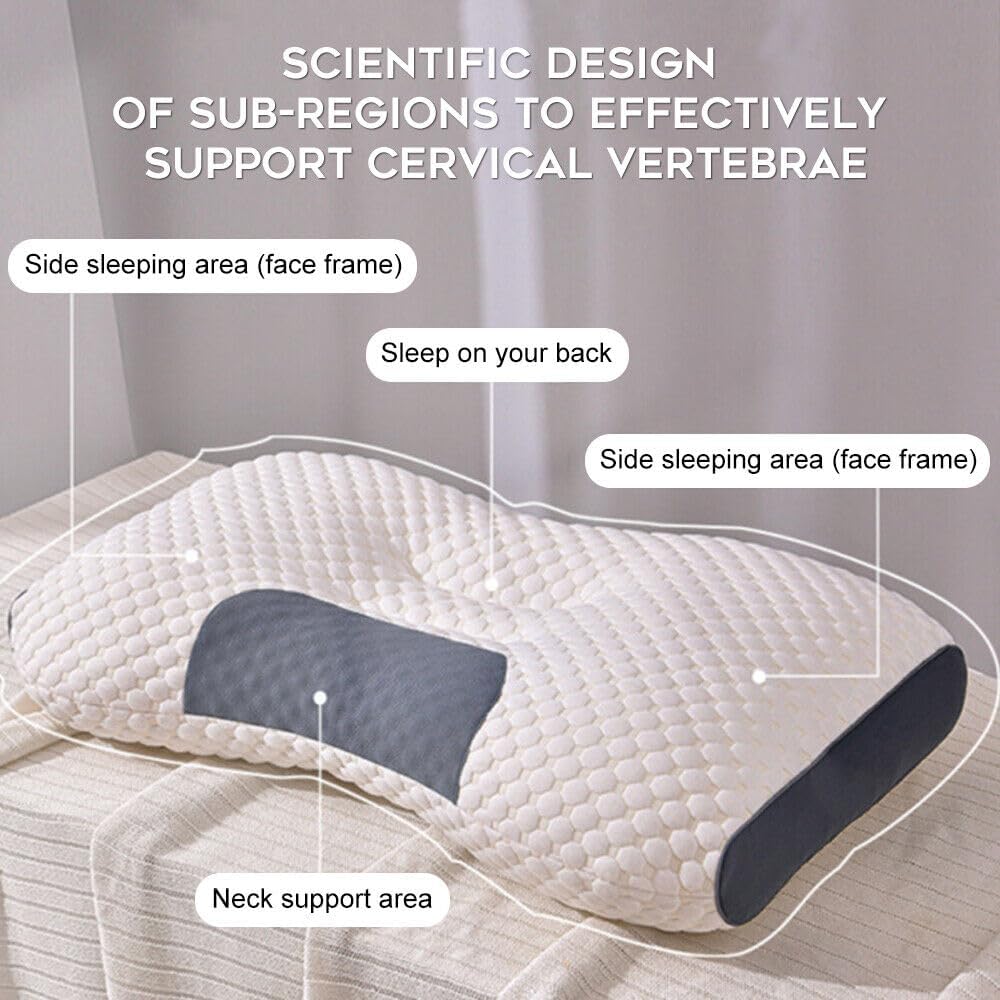
- Design Features: Many ergonomic pillows have contours or adjustable components that cater to various sleep positions, such as back, side, or stomach sleeping.
- Health Benefits: By promoting proper alignment, ergonomic pillows can help alleviate neck and back pain, reduce snoring, and improve overall sleep quality.
How Do Ergonomic Pillows Support Better Sleep Posture?
Good sleep posture reduces stiffness and pain. Ergonomic pillows keep the head aligned with the spine and preserve a neutral neck position. For side sleepers, they fill the gap between the shoulder and head to prevent strain. Overall, improved posture leads to better sleep and health.
To maintain spinal alignment during sleep, it’s important to have a proper sleeping system made up of a head pillow, mattress and surface. This system should offer varied elastic properties because people differ by body type, weight distribution, height and sleeping habits. Different sleepers require zonal mattress stiffness so the spine stays in natural alignment during rest. Physiotherapists often recommend using an individually adapted sleep system based on physical needs and conditions.
How Do Ergonomic Pillows Help Reduce Snoring?
Snoring often results from head and neck misalignment that narrows the airway. Ergonomic pillows improve alignment and can help keep the airway open.
What Is the Basis of Snoring and Pillow Solutions?
Snoring occurs when the airway is partially blocked, frequently because of head and neck position. Keeping the head elevated and aligned with the spine helps maintain an open airway and can reduce snoring.
Specialised pillows can significantly reduce snoring by optimising head position.
Which Pillow Materials Are Most Effective for Snoring Relief?
Some materials better support airway-friendly positions. Memory foam contours to the head and neck for customised support, while latex provides firmer, breathable support that can also help reduce snoring.
What Are the Different Types of Ergonomic Pillows for Snoring Relief?
Several types of ergonomic pillows target snoring, each offering specific features and benefits.
How Do Memory Foam and Orthopaedic Pillows Compare?
Memory foam conforms to the sleeper for personalised support. Orthopaedic pillows use defined contours to promote alignment. Both can ease snoring; memory foam adapts more, while orthopaedic models deliver focused support.
Choosing the right pillow shape and filling can affect neck support and overall sleep quality.
What Are the Benefits of Adjustable and Airway Support Pillows?
Adjustable pillows let you set height and firmness to match personal needs and sleep positions. Airway support pillows elevate the head to reduce snoring. Both types offer practical advantages for different preferences and requirements.
What Are the Benefits of Using Ergonomic Pillows for Sleep and Wellness?
Ergonomic pillows deliver clear benefits for sleep and overall wellness.
How Do Ergonomic Pillows Enhance Comfort and Orthopaedic Support?
They provide tailored support that follows the body's curves, easing neck and shoulder discomfort. Many users report better sleep and reduced pain after switching to an ergonomic pillow, demonstrating their effectiveness.
Can Ergonomic Pillows Improve Overall Sleep Quality and Health?
Ergonomic pillows can improve sleep duration and restfulness by reducing discomfort and preserving alignment. Better sleep is linked to improved mood, sharper cognition and lower stress.
How Are Ergonomic Pillows Integrated into Commercial Wellness Fit-Outs?
Including ergonomic pillows in wellness fit-outs can improve employee comfort and support productivity.
What Case Studies Demonstrate Ergonomic Pillow Use in Workplace Wellness?
Organisations that introduce ergonomic sleep solutions often report higher employee satisfaction and reduced absenteeism tied to better sleep quality. These examples show a positive workplace impact.
How Do Commercial Fit-Outs Promote Holistic Sleep and Health Solutions?
Wellness-focused fit-outs commonly include sleep solutions within a broader health strategy, creating environments that support rest and recovery for staff and the organisation.
What Are Common Questions About Ergonomic Pillows and Snoring Relief?
Many people ask whether ergonomic pillows effectively reduce snoring.
How Do Ergonomic Pillows Reduce Snoring Effectively?
They encourage proper head and neck alignment to keep the airway open, lowering the chance of obstruction and producing quieter, more restful sleep.
Are Memory Foam Pillows the Best Choice for Snoring?
Memory foam often helps because it moulds to the head. The best choice depends on the individual—some sleepers prefer latex or adjustable pillows for their position and comfort needs.
Different pillow types offer distinct benefits to suit varied sleep requirements.
| Type of Pillow | Key Features | Benefits |
|---|---|---|
| Memory Foam | Conforms to shape | Personalised support, pressure relief |
| Orthopaedic | Contoured design | Promotes alignment, targeted support |
| Adjustable | Customisable height | Versatile for different sleep positions |
| Airway Support | Elevated design | Reduces snoring, maintains an open airway |
The table summarises the main ergonomic options available to improve your sleep experience.
Frequently Asked Questions
What factors should I consider when choosing an ergonomic pillow?
Consider your sleep position, comfort preferences and any neck or back issues. Material matters: memory foam contours, and latex is firmer. Choose adjustable models if you want custom height or firmness, and check for hypoallergenic materials if you have sensitivities. Trying different pillows helps find the best fit.
How often should I replace my ergonomic pillow?
Replace ergonomic pillows roughly every 1 to 3 years, depending on material and use. Pillows lose shape and support over time. Replace yours if you notice wear, loss of firmness, or a return of neck or back pain. Regular checks help maintain optimal sleep health.
Can ergonomic pillows help with conditions other than snoring?
Yes. Ergonomic pillows can reduce neck and back pain by supporting spinal alignment, ease tension headaches and improve sleep quality. Some users report reduced sleep-apnoea symptoms when the airway is better supported. Consult a healthcare professional for personalised advice.
Are there specific ergonomic pillows for side sleepers?
Yes. Pillows for side sleepers typically have a higher loft to fill the gap between the shoulder and head and keep the spine aligned. Contoured and adjustable options let you fine-tune height and firmness for the best support.
How do I clean and maintain my ergonomic pillow?
Care depends on the material. Memory foam and latex usually require spot cleaning with mild detergent; many pillows have removable, machine-washable covers. Always follow the manufacturer's care instructions. Airing the pillow regularly helps prevent moisture build-up and odours, and proper maintenance extends its life.
Can children use ergonomic pillows?
Yes, but select pillows designed for a child's age and size. Children's pillows should support without being too high or firm. Choose safe, hypoallergenic materials and consult a paediatrician to find the best option for your child's needs.