






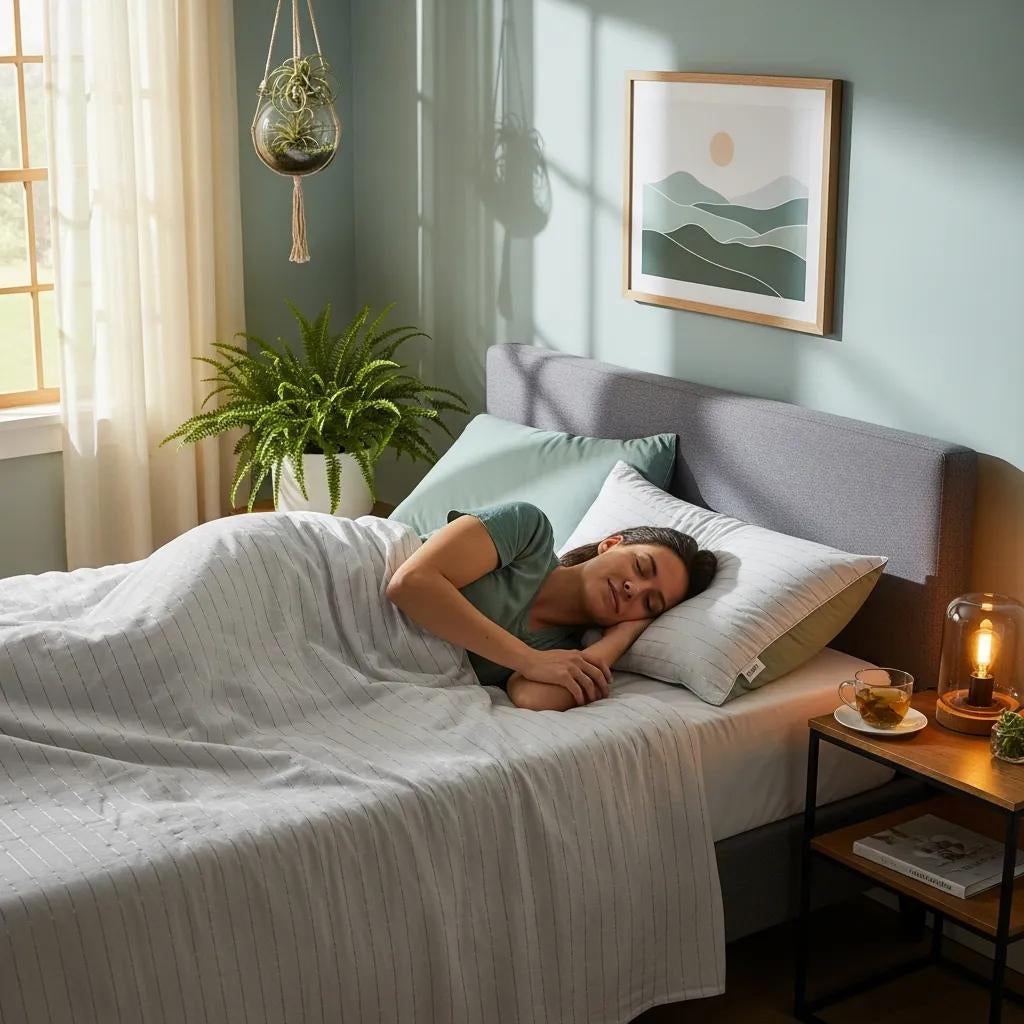
Exploring How Grounding Can Help Your Sleep: Benefits and Practical Tips
Grounding (also known as earthing) is a practice that involves making direct contact with the Earth's natural electrical energy. It's a practice that supports various health areas, including sleep. This article shares how grounding helps with sleep and offers simple ways to add it to your nightly routine. If stress, anxiety, or environmental factors disrupt your sleep, grounding can be explored as a gentle, practical option to promote relaxation and potentially better rest.
Important Considerations: What You Should Know
Grounding for sleep and relaxation is a practice many people find really beneficial, and it's become a popular addition to lots of routines.
Just a heads-up:
This article is all about common experiences and ideas around grounding and sleep. It's not medical advice, so please don't use grounding as a substitute for professional medical care for any health condition, especially sleep issues. Always have a chat with a qualified healthcare professional before making any changes to your health routine, particularly if you've got existing health conditions or are on medication.
What Is Grounding and How Does It Influence Sleep?
Grounding means making direct contact with the Earth's surface—such as walking barefoot on natural ground or using indoor grounding accessories. The idea is that connecting with the Earth's energy helps support better sleep quality and duration.
How Does Grounding Affect Sleep Quality?
Grounding helps lower stress and promotes relaxation, assisting you in unwinding. These feelings contribute to more restful sleep and can even help improve sleep patterns over time.
Which Grounding Accessories Are Used to Support Sleep Quality?

For people without easy outdoor access, grounding accessories provide a practical indoor option. They connect you to Earth's energy while you sleep, rest, or sit, making grounding easier to include in daily life.
- Earthing Sheets: Conductive sheets used on beds to enable grounding during sleep; designed to connect to a grounded outlet or grounding point.
- Grounding Mats: Portable conductive pads for use while sitting, working, or relaxing; useful for pre-sleep routines.
- Grounding Shoes: Footwear with conductive elements that permit outdoor grounding while walking.
Benefits of Earthing Sheets for Sleep
Earthing sheets help you relax and feel more comfortable in bed. Many find they feel more rested and experience fewer nighttime temperature swings when using conductive bedding.
How Grounding Mats Are Used to Support Sleep Comfort
Grounding mats are a simple way to wind down before bed. Even short sessions on a mat help ease tension and get your body ready for sleep. They're also super handy for using at your desk or in your favourite comfy chair.
How to Use Grounding Techniques for Better Sleep?

Adding grounding to your evening is simple. Below are focused, practical steps to start a short, consistent routine.
Step-by-Step Guide to Grounding Before Bedtime
- Prepare Your Space: Dim lights, silence devices, and create a calm bedroom atmosphere.
- Choose Your Grounding Method: Select earthing sheets, a grounding mat, or a brief barefoot walk outdoors.
- Set Aside Time: Spend 20–30 minutes grounding each evening; combine with slow breathing or meditation.
- Connect: Ensure accessories are properly grounded, or walk barefoot outside for a few minutes to connect directly.
Tips for Choosing the Right Grounding Accessories
- Material Quality: Look for quality conductive materials for reliable grounding.
- Comfort: Choose options that feel comfortable and suit your sleep habits.
- Ease of Use: Pick products that are simple to set up and maintain.
What Are the Key Benefits of Grounding for Sleep Health?
Grounding contributes to your general well-being by encouraging relaxation and helping you unwind before sleep. You may find yourself feeling less stressed and enjoying more consistent sleep.
Reducing Stress and Promoting Relaxation Through Grounding
By easing tension, grounding makes it easier to unwind and drift off to sleep. Regular practise can help you prepare for a calmer, more restorative night. Supporting Sleep Duration and Quality Naturally
You may find yourself falling asleep faster and staying asleep longer after adding grounding to your routine. While it's a gentle, natural approach, remember grounding isn't a substitute for medical treatment. It works best alongside good sleep habits, especially if you're dealing with insomnia or broken sleep.
| Accessory Type | Material | Key Benefits | Ideal Use |
|---|---|---|---|
| Earthing Sheets | Conductive fabric | Helps with sleep comfort | Sleeping |
| Grounding Mats | Conductive materials | Helps reduce stress, promotes relaxation | Sitting, working |
| Grounding Shoes | Conductive soles | Connects you outdoors | Walking, exercising |
Grounding is a simple, natural practice that supports sleep by promoting relaxation and potentially reducing stress. Whether you use earthing sheets, grounding mats, or brief barefoot time outdoors, consistency matters—try a regular short routine and track changes in sleep and daytime wellbeing.
Frequently Asked Questions
1. Can grounding help with anxiety and stress management?
You may find yourself feeling less stressed and calmer after grounding, which helps you relax. However, it's not a substitute for professional medical advice or treatment for anxiety or stress.
2. How long should I practise grounding for optimal results?
We suggest trying 20–30 minutes daily. Short, consistent sessions—especially in the evening—are often effective.
3. Are there any known risks associated with grounding?
Grounding is generally considered safe for most individuals. However, it is crucial to consult a healthcare professional if you have electronic implants (such as pacemakers) or any underlying health conditions. When practising grounding outdoors, always take care to avoid potential hazards like electrical wires or contaminated surfaces.
4. Can grounding be used to support sleep for children?
Grounding techniques, like short supervised barefoot walks or using grounding mats, can help children relax before bed. Always make sure any methods are right for their age, safe, and supervised, and chat with a paediatrician for any sleep worries.
5. How do I know if grounding is working for me?
Track sleep onset, duration, and how rested you feel. A sleep journal or simple notes can reveal perceived changes over a few weeks.
6. What is the best time of day to practise grounding?
Evening sessions work well to prepare for sleep, but grounding can also be used to refresh you during the day when feeling stressed.
7. Are there specific grounding techniques for better sleep?
Simple methods include walking barefoot on grass, using an earthing sheet at night, or sitting on a grounding mat while breathing slowly before bed.
Conclusion
Grounding is a practice that supports better sleep by encouraging relaxation and helping to reduce stress. Use consistent, simple techniques—such as earthing sheets, mats, or short barefoot walks—to complement good sleep habits and keep an eye on how you feel over time.