





How to Set Up Your Portable Ice Bath: Step-by-step guide for a safe, effective cold plunge at home
Introducing a portable ice bath to your routine is an easy way to support recovery, reduce inflammation and sharpen how you feel. This plain‑spoken guide from Terra Wellness walks you through assembly, temperature control, safe use and simple upkeep so you can get reliable cold plunges at home. Whether you’re training hard or just want a reset after a long week, you’ll finish this piece knowing how to set up, use and look after your kit.
What are the essential steps to assemble your portable ice bath?
Setting up your portable ice bath is straightforward if you follow a few key steps. Know the parts, pick the right spot, and assemble with care — that’s all it takes to create a safe, effective cold plunge.
What components are included in the Terra Wellness Portable Ice Bath Kit?
The Terra Wellness kit comes with everything you need to get started:
- Ice Bath Tub: The main vessel for water and ice, built for comfort and lasting use.
- Support Poles: Fit these to keep the tub sturdy and shaped correctly.
- Drainage Valve: Makes emptying the tub fast and tidy after use.
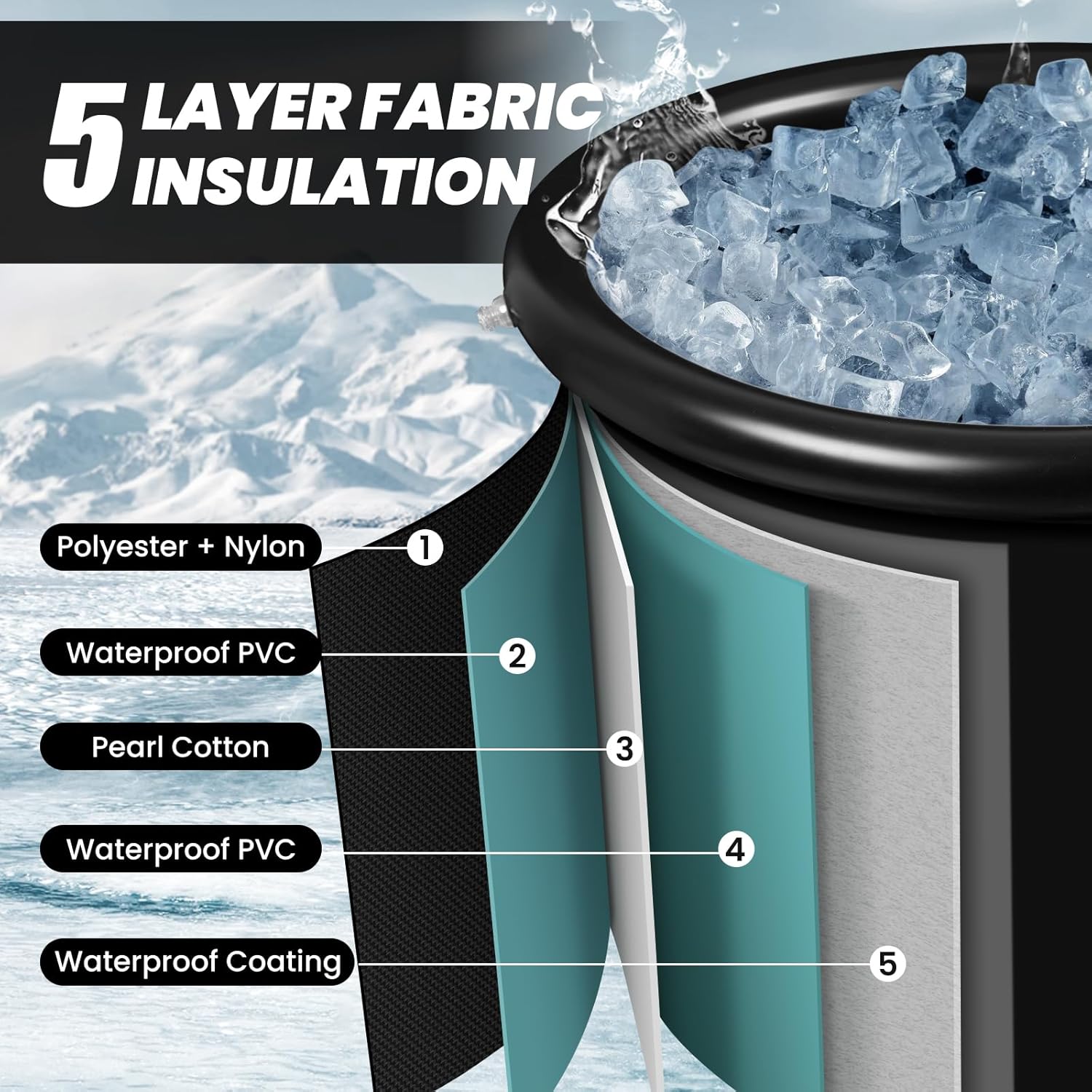
- Insulation Cover: Helps hold the cold and extend your session time.
- User Manual: Clear instructions for assembly, care and safe use.
Each part plays a practical role in making your cold therapy reliable and easy to manage.
How do you choose the ideal location for your ice bath setup?
Pick a spot that keeps sessions simple and safe. Consider these practical points:
- Space: Leave room to get in and out comfortably.
- Privacy: Choose a place where you can relax without interruptions.
- Drainage: Use an area with good drainage or access to a drain to avoid pooling water.
- Accessibility: Make sure filling, emptying and storing the tub is easy.
These checks will save time and reduce hassle each time you plunge.
How do you achieve and maintain the optimal ice bath temperature for recovery?

Temperature matters. Keep your water in the recommended band and adjust with ice to get consistent recovery results without overcooling.
What is the recommended water temperature range for cold water therapy?
The sweet spot for most recovery goals is 10°C to 15°C (50°F to 59°F). That range helps reduce inflammation and aid muscle recovery while lowering the risk of hypothermia when sessions are kept reasonable.
How much ice should you add to reach the desired cold plunge temperature?
The ice required depends on your tub volume and starting water temperature. As a rule of thumb, add about 10–15 kg (22–33 lbs) of ice per 100 litres (26 gallons) of water. Adjust up or down depending on how cold the tap water is and how quickly you want to reach the 10–15°C range.
What are the best practices for using your portable ice bath safely and effectively?
Safe practice keeps cold therapy beneficial. Use sensible timing, listen to your body and follow a few simple rules to reduce risk.
How long should you stay in a portable ice bath for maximum benefits?
Aim for 10–15 minutes for most recovery sessions. If you’re new to cold immersion, start with shorter times and build up gradually. Always exit if you feel excessively cold, numb or unwell.
What safety precautions should you follow during cold water immersion?
Keep safety at the forefront of your mind with these steps:
- Acclimatisation: Build tolerance with shorter, cooler sessions before progressing.
- Buddy System: Have someone nearby when possible, especially for longer or colder dips.
- Monitor Body Responses: Watch for shivering, confusion, numbness or dizziness — these are signs to stop.
- Post‑Immersion Care: Warm up gradually after your session to avoid shocking your system.
These precautions help you enjoy cold therapy while minimising potential harm.
How do you clean and maintain your portable ice bath for longevity?
Treat your tub well, and it will last. Regular cleaning and correct storage keep water fresh and the kit in top condition.
What is the daily and weekly cleaning routine for your ice bath?
Keep a simple hygiene routine:
- Daily: Rinse the tub with clean water after each use to remove sweat, dirt and other residues.
- Weekly: Give it a deeper clean with a mild detergent and warm water, then rinse thoroughly so no soap remains.
Regular care reduces odour, bacteria build‑up and wear on materials.
How should you store your portable ice bath when not in use?
Store the tub in a cool, dry place out of direct sunlight. Make sure it’s completely dry before packing away to prevent mould or mildew. If the kit can be disassembled, store components flat or in their case for a compact setup.
What are the key benefits of using a portable ice bath in your wellness routine?
Used thoughtfully, cold plunges can support recovery, sharpen mood and be a simple, effective tool for overall wellbeing.
How does cold water therapy support muscle recovery and reduce inflammation?
Cold exposure constricts blood vessels, which helps reduce swelling and soreness. Once you warm back up, increased blood flow supports tissue repair and recovery, helping you bounce back faster after training or heavy activity.
How can you integrate your ice bath with grounding mats and home saunas?
Combining cold plunges with other recovery tools can boost results. Alternate short stints in your sauna with cold immersions to stimulate circulation and relaxation, and use grounding mats after sessions to aid calm and recovery.
| Component | Benefit | Integration |
|---|---|---|
| Ice Bath | Reduces inflammation | Use after workouts |
| Grounding Mats | Promotes relaxation | Use post-immersion |
| Home Saunas | Enhances detoxification | Alternate with ice baths |
Follow this guide and your portable ice bath will be an effective, low‑fuss part of your recovery toolkit. Respect the cold, keep safety first, and enjoy the clarity and recovery a well‑run plunge can bring.
Frequently Asked Questions
What are the potential risks associated with using a portable ice bath?
Cold water immersion offers clear benefits but also carries risks. Prolonged exposure to or very low temperatures increases the chance of hypothermia. People with heart or lung conditions can be at higher risk because the cold can trigger strong cardiovascular and respiratory responses. Start slowly, monitor how you feel, and stop if you notice worrying symptoms.
Can anyone use a portable ice bath, or are there specific health conditions to consider?
Many people can use an ice bath safely, but some should take extra care. If you have cardiovascular disease, respiratory issues, are pregnant, or have conditions like Raynaud’s phenomenon, check with your healthcare professional before using cold immersion. When in doubt, get personalised medical advice.
How often should you use a portable ice bath for optimal recovery?
Frequency depends on your goals and activity level. Athletes often use cold baths 2–3 times per week after intense training. If you’re new to cold therapy, begin with once a week and adjust based on recovery and comfort. Give your body time to respond between sessions.
What should you do if you feel uncomfortable during an ice bath session?
If you feel excessively cold, numb, dizzy or panicked, get out immediately. Wrap up in warm clothes or a blanket and warm up gradually; avoid a sudden hot shower straight away, as that can stress your system. If symptoms persist, seek medical attention.
How can you enhance the effectiveness of your ice bath sessions?
Use breathing techniques and mindfulness to manage the initial shock and stay relaxed. Combine plunges with light stretching, foam rolling or a sauna cycle to support recovery. Hydration before and after sessions also helps your body recover.
What are the signs that indicate you should stop using the ice bath?
Stop and seek help if you experience severe shivering, confusion, numbness, sudden pain, lightheadedness or fainting. These are signals that your body is under too much stress. Regularly monitor how you respond and adjust your routine to stay safe.