





Ice Bath Temperature and Duration for Beginners
Cold water immersion can trigger a rapid cold-shock response, including faster breathing and sudden increases in heart rate and blood pressure. There is no single temperature or duration that is safe for every beginner, so personal health, product instructions, water temperature and supervision all matter.
Key Takeaways
Seek personalised medical advice before starting if you have cardiovascular or respiratory conditions, uncontrolled blood pressure, pregnancy, or other health concerns.
Never use an ice bath alone, keep your head above water and have a warm, dry place ready for recovery.
Use a thermometer, enter gradually and stop immediately if breathing remains uncontrolled or you feel chest pain, dizziness, confusion, weakness or poor coordination.
Gradual acclimatisation may reduce the initial shock response, but it does not make extreme cold exposure risk-free.
How Should Beginners Choose an Ice Bath Temperature?
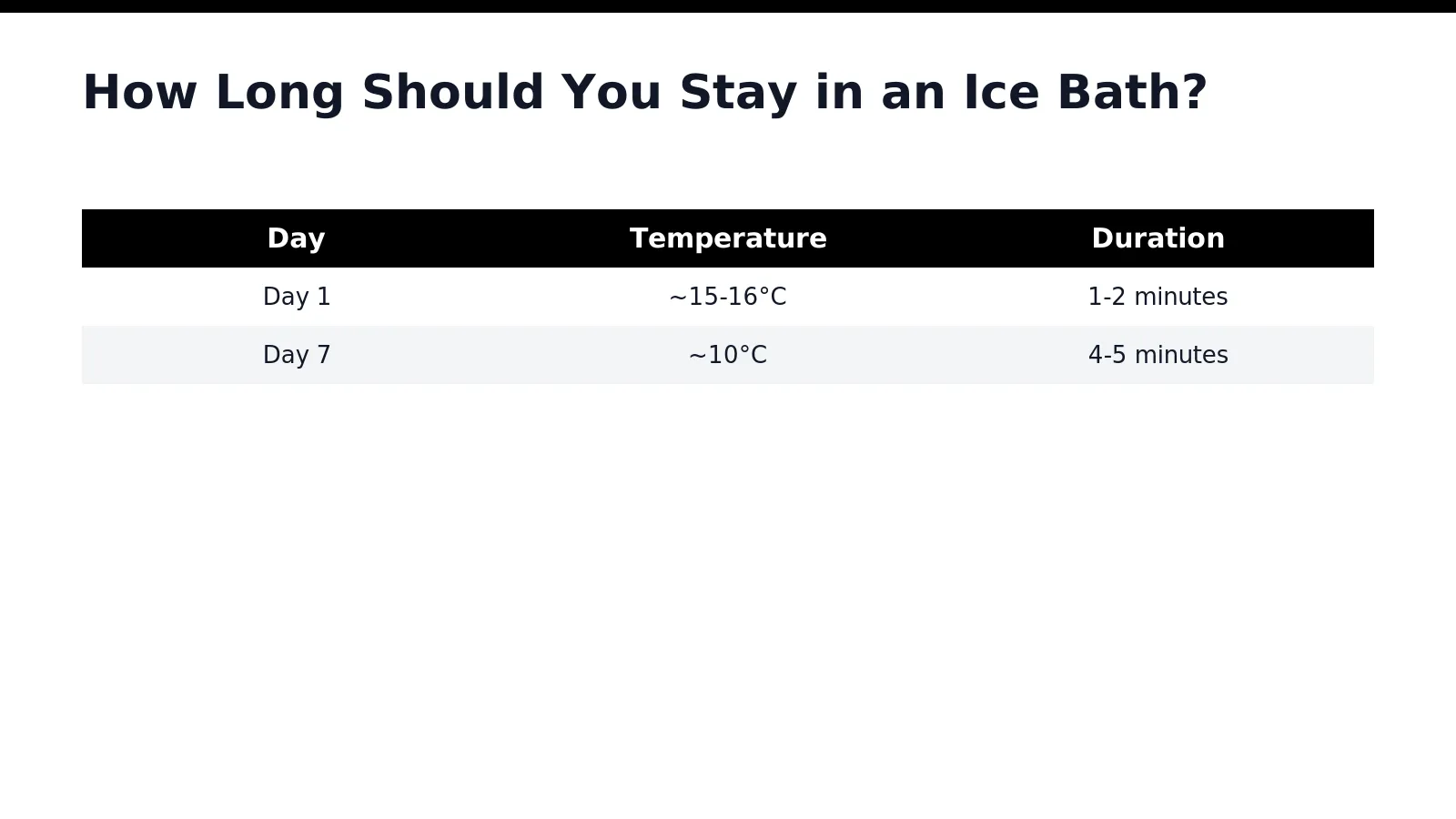
Beginners should avoid treating a fixed number as a universal prescription. Start conservatively within the product instructions, avoid extreme temperatures and obtain medical guidance if you are unsure whether cold immersion is suitable for you.
Why is a thermometer important?
Water can feel very different depending on the environment and the person entering it. A thermometer provides an objective reading and helps prevent accidental exposure to colder water than intended.
How Long Should a Beginner Stay in an Ice Bath?
There is no universal safe duration. Exposure time should remain brief and conservative, with the session ending before shivering, numbness, confusion or loss of coordination develops. Longer or colder sessions are not automatically more effective.
Is there a safe first-session duration?
A qualified health professional can provide individual advice. If cleared to begin, follow the manufacturer’s instructions, use close supervision and leave the water immediately if discomfort escalates or breathing does not settle.
How long is too long?
Any duration is too long once warning signs appear. Do not push through chest pain, dizziness, confusion, uncontrolled gasping, numbness, weakness or poor coordination.
How Do You Build a Safer Cold Plunge Routine?
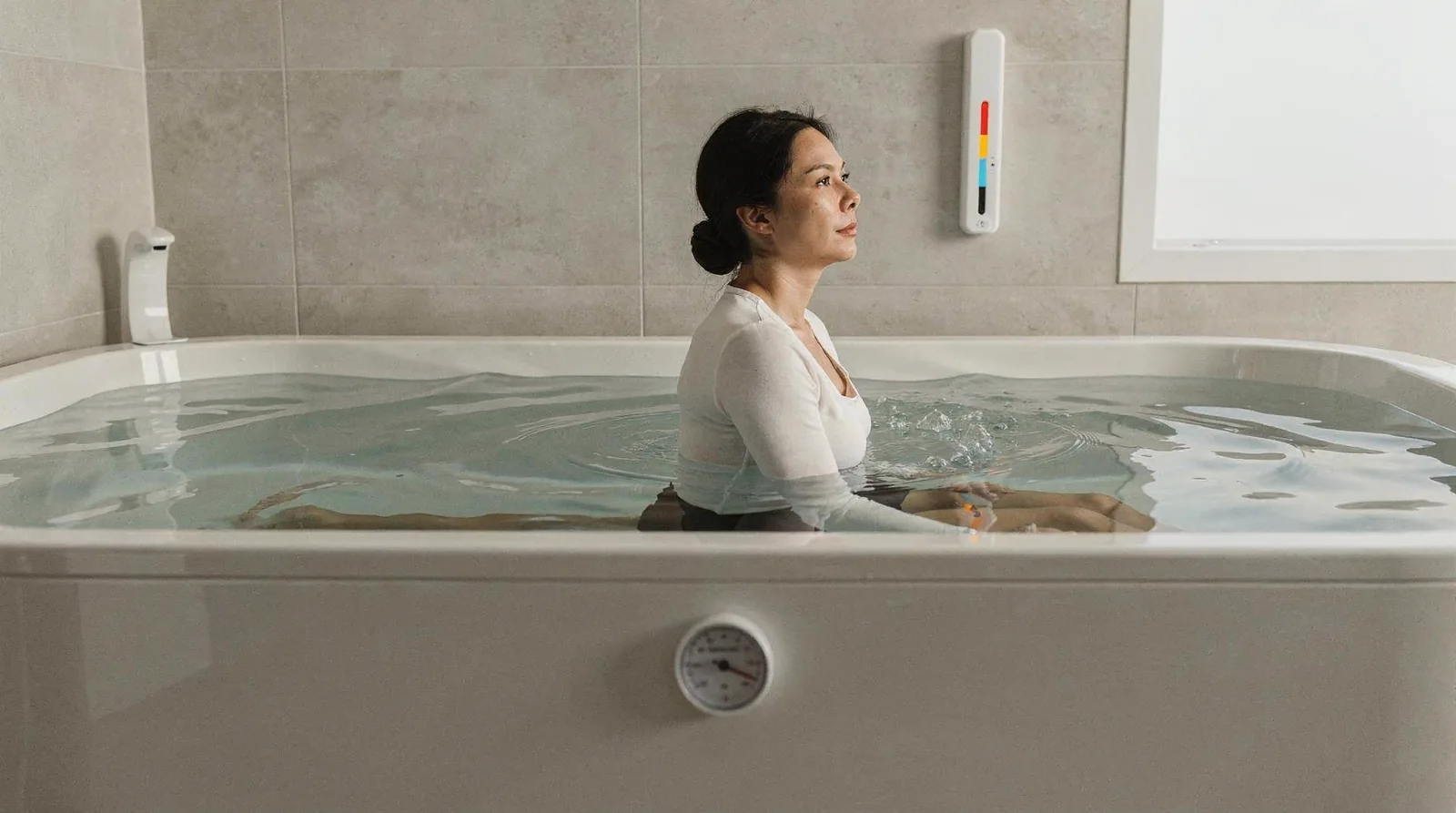
Preparation and supervision matter more than chasing colder temperatures or longer sessions. Terra Wellness can answer product-specific questions, while medical suitability should be discussed with a qualified health professional.
What should you do before entering?
Check the measured water temperature and the product instructions.
Arrange supervision and keep the area clear of slip hazards.
Prepare towels, dry clothing and a warm recovery space.
Avoid alcohol and do not enter if you feel unwell.
What should you do during and after the session?
Enter gradually, keep your head above water and focus on controlled breathing. Exit immediately if symptoms develop, dry off and warm up gradually. Seek urgent medical help for severe or persistent symptoms.
FAQ
What temperature should beginners start with?
There is no one-size-fits-all starting temperature. Avoid extreme cold, measure the water and follow personalised medical advice and the product instructions.
How long should a first session last?
Keep the first exposure brief and conservative. Exact advice should come from a qualified health professional who understands your medical history.
Should beginners follow a seven-day progression?
No fixed seven-day progression is suitable for everyone. Repeating or changing a session should depend on medical advice, product guidance, supervision and how the body responds.
Conclusion
Cold water immersion should be approached cautiously. Conservative settings, supervision, clear stop signs and personalised health advice are more important than reaching a particular temperature or duration.