






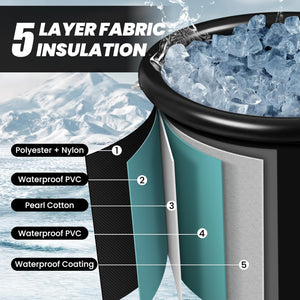
Portable vs Traditional Ice Baths
Athletes and wellness fans often weigh portable against traditional ice baths. Both aid recovery, but they fit different needs. This guide explains the main differences, plus the pros and cons of each. It covers installation, portability and health benefits for both portable and traditional ice baths, and looks at real-world use and maintenance so you can choose what suits you best.
What Are the Key Differences Between Portable and Traditional Ice Baths?
Both types use cold therapy to aid recovery. They differ mainly in installation, portability and space needs. Knowing those differences helps you pick the right option for your routine.
How Does Installation and Setup Vary Between Ice Bath Types?
Traditional ice baths often need a more complex installation, with plumbing and electrical work. You usually find them fixed in wellness centres or gyms for long-term use. Portable ice baths are made for quick setup and takedown. They need little assembly and can be filled with ice and water for home or travel use.
Some fixed systems, called cold plunges, add precise temperature control and filtration to a permanent install.
Cold Plunge vs. Ice Bath: Equipment, Temperature & Maintenance
A cold plunge requires purpose-built tubs or tanks with integrated temperature control. They use chillers to hold exact temperatures without manual topping up. These systems usually include filtration, digital displays and circulation pumps to keep water quality and temperature steady. Installation often needs electrical supply and proper drainage. Once fitted, they generally demand minimal daily maintenance.
Cold Plunge vs. Ice Bath: Key Differences?
What Are the Portability and Space Requirements for Each?
Traditional ice baths need a dedicated space and aren’t easy to move after installation. Portable units are lightweight and compact, so you can transport them when required. That makes them a good fit for travelling athletes or people with limited home space.
What Are the Benefits and Drawbacks of Portable Ice Baths?
Portable ice baths bring convenience and flexibility to recovery routines. They’re straightforward to use, but they do have trade-offs you should consider.
- Convenience: Portable ice baths can be set up anywhere, making them ideal for home use or travel.
- Cost-Effective: Generally, portable options are more affordable than traditional installations, making them accessible to a wider audience.
- Ease of Use: They require less maintenance and can be filled and emptied quickly.
Despite these benefits, there are some drawbacks to consider:
- Limited Capacity: Portable ice baths may not accommodate multiple users at once, unlike traditional setups.
- Durability Concerns: Some portable models may not be as durable as traditional baths, potentially leading to wear and tear over time.
- Temperature Control: Maintaining the desired temperature can be more challenging with portable options.
How Do Portable Ice Baths Support Natural Recovery Therapies?
Portable ice baths help natural recovery by reducing inflammation and aiding muscle repair. Cold exposure constricts blood vessels, which can cut soreness and speed recovery after intense sessions. Many users feel less fatigued and more refreshed after a plunge.
The benefits of cold water immersion include reduced pain perception and changes in blood flow that support recovery. Cold exposure may help lower muscle temperature and metabolism, which can limit stress and reduce inflammation.
What Do Customer Reviews Reveal About Portable Cold Plunge Tubs?
Reviews often praise portable tubs for their convenience and the quick relief they offer after workouts. Common concerns include durability for some models and the need for regular upkeep to keep performance optimal.
How Do Traditional Ice Baths Compare in Commercial Wellness Fit-Outs?
Traditional ice baths are common in commercial wellness fit-outs because they provide a more permanent recovery solution. They accommodate more users and deliver a more controlled cold-therapy environment.
What Are the Cost and Maintenance Considerations for Traditional Ice Bath Setups?
Upfront costs for a traditional ice bath can be higher due to plumbing and electrical work. Ongoing maintenance—such as cleaning and water quality checks—adds to the running costs, but these baths are built for long-term use.
How Are Traditional Ice Baths Integrated into Wellness Centres?
Traditional ice baths are usually installed alongside other recovery options like saunas and steam rooms. That mix improves the client experience and helps centres promote a full recovery programme. Many facilities highlight the therapeutic benefits to attract clients seeking advanced recovery solutions.
Which Ice Bath Type Offers Better Health Benefits and Recovery Methods?
Both portable and traditional ice baths offer clear recovery benefits. Which is better depends on your needs, space and how you plan to use the bath.
What Scientific Evidence Supports Ice Bath Recovery Methods?
Ice baths can reduce muscle soreness and inflammation. Cold exposure has been linked to lower levels of inflammatory markers, which supports faster recovery. Both portable and traditional baths can provide these effects, though application and control may differ.
How Do Portable and Traditional Ice Baths Affect Inflammation Reduction?
Both types can reduce inflammation, but the user experience varies. Traditional baths usually hold temperature more consistently. Portable tubs work well but may need more attention to reach and keep the target temperature.
What Are Real-World Examples of Commercial Ice Bath Installations?
Commercial ice baths appear in many wellness centres and athletic facilities, reflecting the rising interest in cold therapy.
What Case Studies Showcase Portable Ice Bath Fit-Out Projects?
Case studies show portable ice baths installed successfully in home gyms and with professional sports teams. These examples highlight their flexibility and role in recovery plans.
How Have Traditional Ice Baths Been Successfully Installed in Wellness Centres?
Traditional ice baths are often part of a broader recovery strategy in wellness centres. Facilities report good client satisfaction and higher use of recovery services, underlining cold therapy's value in modern wellness offerings.
How Should You Maintain and Care for Your Ice Bath?
Good maintenance is vital for both portable and traditional ice baths to keep them hygienic and effective.
What Are Best Practices for Maintaining Portable Ice Baths?
Clean portable tubs regularly. Empty and wash them after use to avoid mould and bacterial growth. Check for leaks and inspect materials to prolong the unit's life.
Maintaining water quality is a key health consideration, especially for mobile units.
How Does Maintenance Differ for Traditional Ice Bath Systems?
Traditional systems need more comprehensive upkeep, including plumbing and filtration checks. Facilities must monitor water quality, which can involve chemical treatments and scheduled inspections to prevent contamination.
Frequently Asked Questions
Can I use a portable ice bath for group sessions?
Most portable ice baths are made for one person, which limits their use for group sessions. A few larger models may fit two users, but if you regularly need multiple spots, a traditional setup is more suitable for teams or groups.
What is the ideal temperature for an ice bath?
The typical range is 10°C to 15°C (50°F to 59°F). That range reduces soreness and inflammation without excessive discomfort. Monitor temperature closely in portable baths, and aim for 10 to 20 minutes per session to maximise recovery benefits.
How often should I use an ice bath for recovery?
Frequency depends on your training load and recovery needs. Many athletes use ice baths 1 to 3 times per week after intense sessions or competitions. Listen to your body and consult a coach or healthcare professional to match frequency to your goals.
Are there any risks associated with ice baths?
There are risks with prolonged cold exposure, including hypothermia, frostbite or nerve damage if sessions aren’t monitored. People with cardiovascular conditions or high cold sensitivity should get medical advice first. Keep sessions to 10–20 minutes and acclimatise gradually to reduce risk.
Can I add substances like Epsom salt to my ice bath?
Adding Epsom salt to an ice bath is generally not recommended, as it can change the water’s properties and effectiveness. Epsom salt is better suited to warm baths. If you want to enhance the experience, consider safe essential oils or aromatherapy that won’t affect cooling performance.
How do I know if an ice bath is working for me?
Watch how your body feels after a session. Many users notice less soreness, faster recovery and a refreshed feeling. Track performance metrics like workout intensity and recovery time to see if ice baths consistently help your progress.