






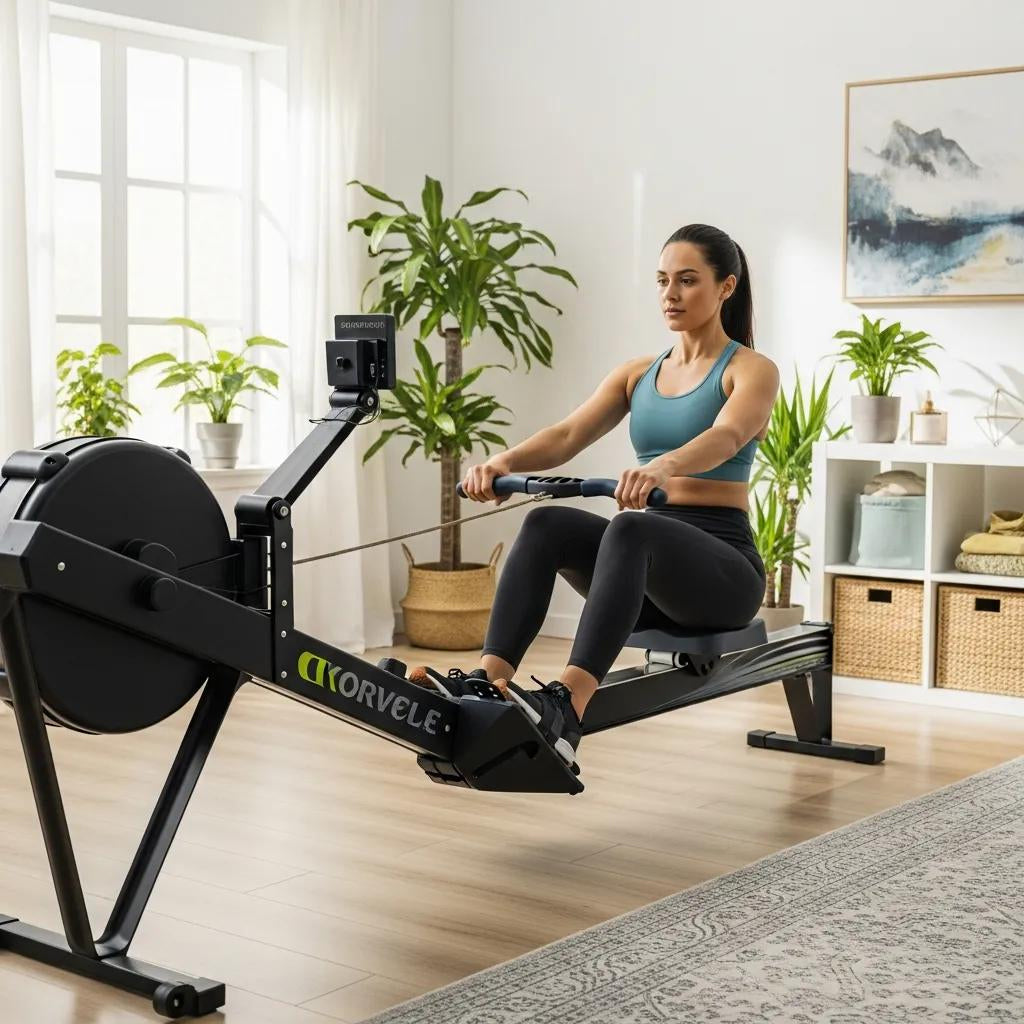
Rowing for Whole-Body Health: How Terra Wellness Helps You Build Strength, Cardio and Calm
Rowing combines steady aerobic work, full-body strengthening and a steady rhythm that supports both physical fitness and mental clarity. This guide explains why rowing is a low-impact, high-return option for home wellness: how it works for your body and mind, and simple routines you can use. You’ll learn how rowing boosts heart and lung capacity, recruits major muscle groups without excess joint strain, eases stress through breath-synchronised movement, and fits cleanly into a balanced recovery plan. Along the way, we describe how the Terra Wellness rowing machine — compact, portable, ergonomically designed and offering assurance of quality — can help you make practice consistent, while keeping the focus on proven benefits rather than a hard sell. Practical lists, quick-reference tables and clear routines are included so you can apply these ideas straight away.
Physical and mental outcomes share straightforward mechanisms: rhythmic effort raises aerobic capacity and blood flow, while breath control and repeated bilateral movement encourage focus and flow. Knowing how these mechanisms work helps you pick session length, intensity and recovery methods that support long-term well-being. The next section summarises the main systems affected by rowing and offers a quick table to guide your priorities.
What Are the Comprehensive Health Benefits of Using a Rowing Machine?
A rowing machine delivers cardiovascular gains, broad muscle activation, meaningful calorie burn and a joint-friendly movement pattern that preserves mobility. Each stroke pairs a leg drive with hip extension and an upper-body pull, which raises heart rate while spreading load across large muscle groups. The result is efficient aerobic work with strength and endurance benefits. Regular rowing also supports posture by strengthening the posterior chain, helps metabolic health (including insulin sensitivity) and provides mechanical loading for bone health without the impact of running. Below is a concise list of the principal benefits to help you scan the top outcomes quickly.
Top rowing benefits include:
- Improved cardiovascular endurance from steady aerobic sessions and interval training.
- Full-body muscular engagement—legs, glutes, back, core and arms—that supports strength and posture.
- Low-impact, joint-friendly movement that lowers injury risk compared with high-impact cardio.
- Efficient calorie burn that supports weight management when paired with sensible nutrition.
- Better functional mobility and core stability via coordinated hip and trunk control.
- Mental gains, including reduced stress and sharper concentration through rhythmic movement.
The table below summarises key impacts and benefits so you can quickly see how rowing aligns with common goals.
| Health Domain | Mechanism | Typical Benefit |
|---|---|---|
| Cardiovascular fitness | Rhythmic full-body aerobic effort | Increased VO2 max and endurance |
| Muscular engagement | Sequential leg drive + pull phase | Strengthens legs, back, core and arms |
| Joint health | Low-impact gliding motion | Reduced joint stress vs running |
| Metabolic health | Sustained energy expenditure | Improved calorie burn and insulin response |
| Posture & mobility | Posterior chain activation | Better spinal alignment and functional strength |
This overview clarifies which systems benefit most and leads into a closer look at how rowing helps your heart and fitness.
How Does Rowing Promote Cardiovascular Health and Endurance?
Rowing supports cardiovascular health by blending steady aerobic demand with repeated higher-effort intervals that help your body get fitter. In practice, rowing increases your heart's pumping power via rises in stroke volume and heart rate during sustained efforts, while interval work on the rower can boost your fitness and stamina. Useful session examples are steady 20–30 minute rows for base aerobic fitness and 6×2 minute hard intervals to improve your ability to work harder for longer. Progression can come from raising resistance, stroke rate or session duration. Choosing the right formats helps you match training to recovery needs and long-term goals while keeping rowing’s low-impact advantage.
You'll find that intense rowing sessions produce great fitness results.
In What Ways Does Rowing Provide a Full-Body, Low-Impact Workout?
Rowing recruits most major muscle groups in a smooth sequence: a powerful leg drive (quads, glutes), a hip hinge with core stabilisation, then a back-and-arm finish. You'll notice high muscle recruitment, making rowing incredibly efficient for strength and stamina and calorie burn. It's seated, gliding motion keeps knee and ankle loading low by taking the pressure off your joints, which is ideal for people needing joint-friendly conditioning. Good technique — strong leg drive, neutral spine and a controlled recovery — protects the lower back; beginners should prioritise shorter sessions and solid form before adding intensity.
The table below condenses muscle and joint impacts for quick reference.
| Component | Primary Role | Benefit |
|---|---|---|
| Leg drive | Initiates the power phase | Develops quads and glutes for propulsion |
| Core | Stabilises trunk | Improves posture and spinal support |
| Back & arms | Finish phase pull | Strengthens lats, rhomboids and biceps |
| Seat & rails | Support glide | Enable low-impact motion for the joints |
This breakdown shows how rowing delivers a great whole-body workout while protecting joints, which leads naturally into the mental and emotional benefits that follow.
How Does Rowing Enhance Mental Well-Being and Reduce Stress?

Rowing supports mental well‑being by pairing steady bilateral movement with breath control and focused effort — a combination that helps people enter a flow state and lower stress. Synchronised breathing and rhythmic motion raise endorphins and boost your mood and clarity; the immersive cadence helps quiet a busy mind and improves focus. In practice, moderate sessions of 20–40 minutes on most days support mood stability and acute stress relief, while short, calming rows can work as quick reset tools. Below are specific ways rowing targets mental health.
- Reduces perceived stress through sustained movement and breath focus.
- Boosts mood by encouraging neurotransmitter and endorphin release.
- Supports flow and attention through predictable, rhythmic motion.
- Improves cognitive clarity and resilience when practised regularly.
These benefits connect directly to sleep and emotional balance, which we explore next with practical timing and routine advice.
What Is the Role of Rowing in Stress Relief and Anxiety Reduction?
Rowing eases acute stress and anxiety by combining predictable bilateral movement with paced breathing — a pattern known to help you feel calmer. Short, focused sessions (for example, a 10–15 minute gentle row with two strokes per inhale and two per exhale) can quickly lower perceived stress and restore balance. You'll find rhythmic aerobic activity supports managing your emotions and reduces anxiety over time; rowing’s steady cadence makes it a particularly effective tool. Adding mindful cues — watching technique and breath — turns a workout into a portable way to find your calm.
How Does Rowing Support Improved Sleep Quality and Emotional Balance?
Regular aerobic activity, including rowing, helps sleep by increasing sleep pressure, shortening time to fall asleep, and improving deep sleep when timed appropriately. This is thanks to things like better temperature regulation, helpful hormonal shifts, and a natural increase in your body's need for sleep after daytime exercise. To protect sleep, avoid hard intervals within 60–90 minutes of bedtime; instead, choose a low-intensity evening row followed by grounding or calming rituals to signal relaxation. Pairing a short post‑row routine — slow breathing and reduced screen time — strengthens emotional regulation and, over weeks, can improve your sleep patterns and daytime resilience.
Why Is the Terra Wellness Rowing Machine Ideal for Holistic Health at Home?
The Terra Wellness rowing machine is designed for home life: compact, portable and ergonomic to make regular practice practical. Its priorities — small footprint, user comfort and quiet operation — suit people who want effective, low‑impact conditioning without dedicating a room to equipment. A premium build and assurance of quality reassure first‑time buyers, while an ergonomic seat and intuitive resistance system support longer sessions that prioritise posture. The table below compares product attributes to typical user needs so you can decide if this rower matches your home and wellness goals.
| Product Attribute | Characteristic | User Benefit |
|---|---|---|
| Compact / Foldable | Small footprint | Fits apartments and multi-use rooms |
| Ergonomic seat & handles | Comfort-focused design | Allows longer sessions with less fatigue |
| Quiet operation | Low-noise drive | Suitable for shared living spaces |
| Quality build & assurance | Premium materials + peace of mind | Lowers purchase friction and increases trial confidence |
What Ergonomic and Design Features Make It Suitable for Small Spaces?
Its foldable frame and lightweight portability make setup and storage straightforward in tight homes, while a quiet resistance mechanism keeps workouts unobtrusive. Ergonomic touches — a contoured seat, stable footplates and a clear monitor — reduce fidgeting and help you hold good technique across sessions. Because comfort influences whether people stick with a habit, a user‑centred design that minimises discomfort makes regular practice more likely. In short, these features save space and encourage consistent use by making each session easier and more pleasant.
How Does Its Quality and Portability Support Consistent Wellness Routines?
Sturdy construction and easy portability remove many small barriers between intention and action: equipment that’s simple to move, set up and trust increases the chance you’ll actually use it. You can feel good about your choice, knowing it's designed to support your commitment to a routine. Portability also allows short sessions between work tasks, morning conditioning or evening unwinding when the rower stores away easily. These practical advantages translate directly into better adherence, and adherence is the main predictor of long‑term health gains from any exercise plan.
These practical design factors matter, as they significantly influence long‑term exercise adherence.
How Can You Integrate Rowing with Other Terra Wellness Products for Enhanced Well-Being?
Pairing rowing with targeted recovery tools amplifies the holistic benefits: a simple flow is grounding before you row, a focused rowing session for cardio and mood, then a recovery ritual such as sauna or passive grounding to speed relaxation and sleep onset. The table below summarises recommended pairings and quick notes so you can layer routines easily at home.
| Terra Wellness Product | Use with Rowing | Complementary Effect |
|---|---|---|
| Grounding mat (flexible options available) | Pre- or post-row relaxation | Promotes calm and supports sleep hygiene |
| Home sauna (flexible options available) | Post-row recovery | Enhances muscle relaxation and circulation |
| Ergonomic Pillow 2.0 (flexible options available) | Nighttime support after evening sessions | Improves restorative sleep posture |
How Do Grounding Mats Complement Rowing for Stress Reduction and Sleep Improvement?
Grounding mats offer a simple, low‑effort way to finish a recovery sequence after rowing, especially in the evening. A typical routine is 10–20 minutes on the mat after a low‑intensity row: lie or sit and practise slow diaphragmatic breaths to help your body relax. The combination of exertion from rowing and the grounding ritual can speed the shift into rest and support sleep onset. Grounding mats are a practical option for people who want an electronics‑free ritual to anchor the restorative phase of a home wellness routine.
What Are the Benefits of Combining Rowing with Home Sauna Therapy for Recovery?
Post‑exercise sauna sessions support recovery by improving peripheral blood flow, encouraging muscle relaxation and helping your body clear out waste products — which can ease muscle soreness when used sensibly. A practical sequence is cool‑down and rehydration after rowing, a brief 10–20 minute sauna at moderate temperature, then passive cooling and more hydration; this approach promotes relaxation and may help sleep that night. Sauna also creates a clear recovery ritual that reinforces healthy habits. Used alongside regular rowing, occasional sauna sessions can speed recovery and help you stay consistent with training.
Why Rowing is a Holistic Wellness Practice
You'll find rhythmic aerobic activities — rowing included — deliver great benefits for your heart, metabolism, and mental well-being when practised consistently. Aerobic training boosts your fitness, helps lower blood pressure, and supports a healthy metabolism, and moderate‑intensity activity can ease feelings of anxiety and low mood. Rowing offers high muscle recruitment and burns calories effectively, making it a time‑effective way to combine cardio and strength-stamina. Below are key benefits and a compact table to put typical outcomes in perspective.
Key benefits you'll experience:
- Aerobic training improves your cardiovascular health and endurance.
- Rhythmic, full-body exercise helps you find your flow and can reduce anxiety.
- Whole‑body engagement on a rower provides excellent muscular stimulus for strength and endurance.
- Post‑exercise recovery strategies (like sauna or grounding) can boost relaxation and aid your recovery.
Here are some typical outcomes to help set realistic expectations.
| Metric | Typical Range / Finding | Practical Note |
|---|---|---|
| Muscle engagement | Engages most major muscle groups | Rowing recruits legs, back, core and arms |
| Calorie burn | ~400–800 kcal/hour (depending on intensity) | Varies with body size and effort |
| VO2 max improvement | Noticeable gains with 6–12 weeks of consistent training | Interval work accelerates adaptations |
| Mood & anxiety | Regular aerobic exercise can significantly reduce symptoms | Requires consistent frequency (3+ times/week) |
These outcomes highlight that regular practice with sensible recovery truly produces great gains.
How Rowing Boosts Mental Health and Helps You Find Your Flow
You'll find rhythmic aerobic activities consistently lead to improved mood, lower anxiety and better attentional control; rowing fits perfectly because its cadence and bilateral movement support a flow state. Many people experience reductions in depressive symptoms and greater stress resilience after structured programmes, often within weeks. Predictable, skill-challenging activities with clear feedback — traits common to rowing — foster immersive focus and mental rejuvenation. Practically, structured rowing sessions with clear intensity and technique goals support both your performance and mental well-being.
Understanding Muscle Engagement and Cardiovascular Benefits
You'll see high whole‑body engagement and strong cardiovascular responses even at moderate intensities. The drive‑and‑pull pattern recruits major muscle groups, producing effective power and energy use. Calorie burn varies by intensity and individual characteristics, but rowing often outperforms many steady‑state options when effort is matched. This explains why a single rowing machine can deliver both cardiovascular conditioning and muscular endurance in a compact home setup.
- Muscle engagement supports functional strength across posterior and anterior chains.
- Your heart and lung fitness, like VO2 max, gets better with regular interval and steady-state workouts.
- Practical benchmarks: aim for 3–5 sessions per week, mixing moderate steady work and shorter high‑intensity intervals for broad gains.
This understanding ties back to the practical routines and product pairings discussed above and reinforces rowing as a strong pillar of a balanced, home‑based wellness practice.