






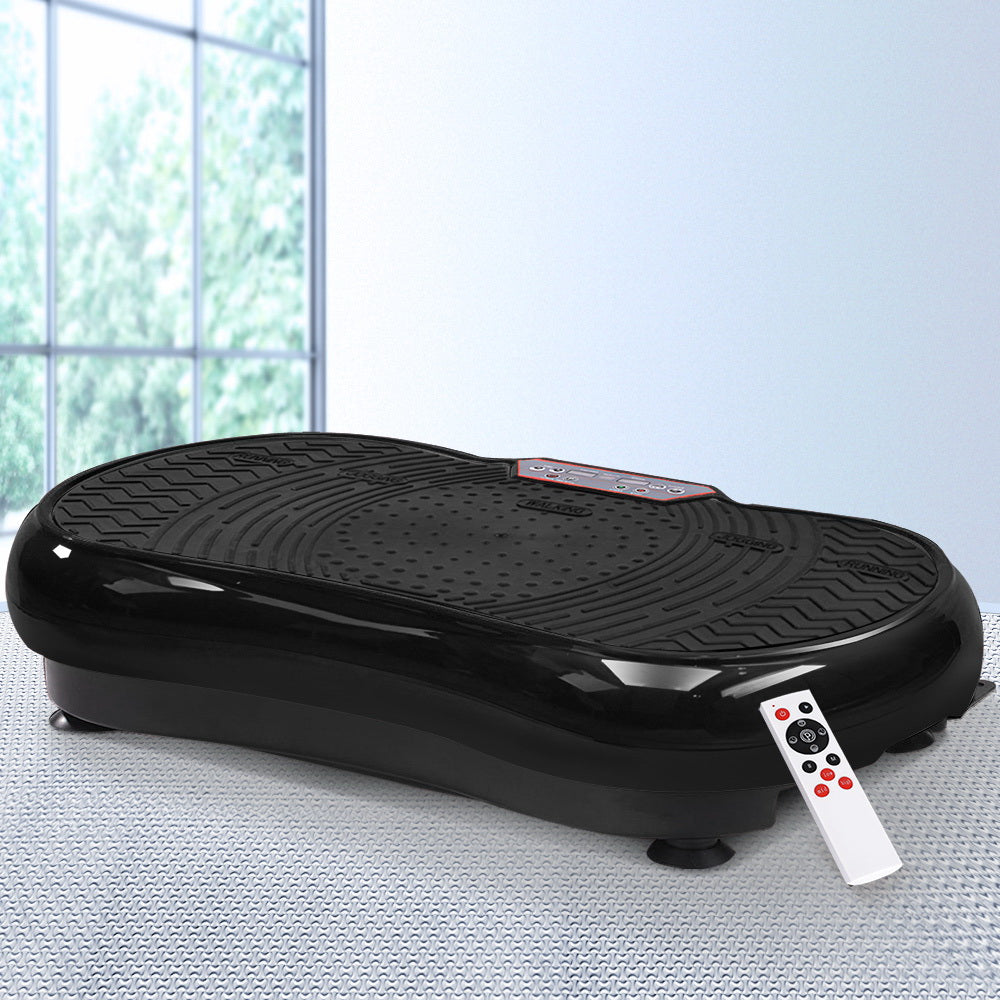
A good vibration plate setup needs three things: enough clear space around the machine, a firm and level floor (ideally with a rubber mat underneath), and a spot close to a wall power point where the cable won't be in the way. Get those right and your machine will run more quietly, stay put and be easier to use every day.
If you've just bought a vibration plate in Australia, or you're planning where one would go before you buy, this guide walks you through it step by step. You can check the machine's size-related details, such as its 180kg weight capacity, on our best vibration plate Australia page.
How Much Space Do You Need?
Vibration plates are compact compared to most home fitness equipment, but you still need room to step on and off safely and to move a little while you use it.
Around the machine: leave clear space on all sides so you can step on and off without bumping furniture or walls.
In front: allow room for a chair if you plan to sit with your feet on the platform.
Beside it: leave enough space for a floor mat if you'd like to try moves such as a plank with your hands on the platform.
Above: make sure there's nothing low overhead, like shelving or a hanging light, when you stand on the plate.
Measure your space before you settle on a spot. It's much easier to plan on paper than to shuffle a machine around later.
Choosing the Right Flooring
The floor under your vibration plate makes a big difference to noise, stability and how well your floor holds up.

Timber and laminate
These look great but can scratch, and vibration can travel through them. Always use a dense rubber mat underneath to protect the surface and keep the machine from shifting.
Tiles and concrete
Hard, flat surfaces are stable, but they can be noisy and slippery. A rubber mat helps absorb sound and grips the floor.
Carpet
Low-pile carpet is fine with a firm mat on top. Thick or plush carpet can let the machine sink or rock, so a solid board or heavy-duty mat under it is a good idea.
Upstairs and apartments
Vibration can carry through floors and walls. A low-noise motor helps, and the Terra Wellness Vibration Machine has one, but a thick mat and placement away from shared walls are considerate extras if you have neighbours below or beside you.
Picking the Best Spot in Your Home
Where you put your machine can decide how often you actually use it.
Somewhere you already spend time: many people place theirs in the living room so they can use it while watching TV or chatting.
Near a wall power point: plug directly into the wall rather than relying on long extension leads or overloaded power boards.
Away from walkways: run the cable along the wall so nobody trips over it.
Out of direct sun and damp: avoid spots near open doors, wet areas or uncovered outdoor spaces.
Clear of kids and pets: choose a spot where little ones and animals won't wander onto the platform while it's running.
Getting the Machine Level and Ready
Once you've chosen the spot, take a minute to check the setup before your first session.
Place the mat down first, then position the machine in the centre of it.
Press gently on each corner. If the machine rocks, adjust the mat or move it to a flatter part of the floor.
Make sure the cable isn't trapped under the machine or touching the platform.
Keep a chair nearby for seated use, and a towel and water close at hand.
The Terra Wellness Vibration Machine comes in red, black or white, so you can also pick a colour that suits the room it lives in.
Your First Session in the New Setup
With everything in place, start at a low level (around level 5) for a few minutes. Listen for any rattles and check the machine stays still on the mat. Over time, build up to the suggested 10 to 15 minutes per session, three to five times a week.
Before you begin, a quick safety note: if you have a heart condition, are pregnant, have an implanted device such as a pacemaker, or any medical condition, talk to your doctor before using a vibration plate. Stop if anything feels wrong.
Frequently Asked Questions
Do I need a mat under my vibration plate?
A rubber mat is strongly recommended on almost any floor. It reduces noise, helps the machine stay in place and protects timber, tiles and carpet.
Can I use a vibration plate upstairs?
Yes. Use a thick mat, keep the machine away from shared walls where possible, and start at lower speeds while you check how much sound travels.
Can I plug my vibration plate into an extension lead?
It's best to plug directly into a wall socket. If you must use a lead, choose a single, good-quality one and keep the cable out of walkways.
What's the best room for a vibration plate?
Any dry indoor room with a firm floor, a nearby power point and enough clear space works. Many people prefer the living area because it makes regular use easier.
Conclusion
A thoughtful vibration plate setup makes every session safer, quieter and more convenient. Clear some space, choose the right flooring and mat, place the machine near a power point and away from walkways, and check it's level before you start. To see more about the Terra Wellness Vibration Machine, visit our vibration machine Australia page.