





Titanium vs Wood — Which Is the Safer Choice?
Choosing the right chopping board matters for everyday kitchen safety. Titanium and wood offer very different strengths — one favours easy sanitisation and durability, the other brings natural fibre properties and a gentler surface for knives. This guide walks you through hygiene, durability and maintenance so you can pick the board that fits your cooking style. Whether you’re prepping for family meals or running a busy kitchen, understanding how each material behaves helps reduce cross‑contamination and keeps food safe.
Why Titanium Boards Are Seen as Hygienic
Titanium is prized for its strength and corrosion resistance. Pure titanium cutting boards are uncommon and can be a premium choice; more often, titanium is applied as a thin coating over another base material. The key practical benefit is a non‑porous surface that’s less likely to trap food particles. Its hygiene advantage mainly comes from being easy to clean and able to withstand harsher sanitising methods without damage.
How Titanium Surfaces Limit Bacterial Penetration
Because titanium coatings create a smooth, non‑porous finish, bacteria are less likely to work their way into the board. The real benefit is durability: a titanium surface tolerates repeated cleaning and sanitising, which helps ensure contaminants are removed rather than sheltered in scratches or pores.
Will Titanium Dull My Knives Faster?
Titanium surfaces are generally harder than wood but softer than glass or stone. A titanium‑coated board will often be firmer on a blade than a wooden board, so you may notice knives lose edge more quickly than they would on wood. It’s still gentler than ceramic or glass, but if preserving blade sharpness is a priority, wood remains the gentlest option.
What Wood Brings to Kitchen Hygiene
Wood has a long history in kitchens and carries natural properties that can work in its favour. Certain hardwoods — for example,e maple and some sustainably harvested bamboos — have natural properties that make the surface less hospitable to bacteria. Wood also has a modest self‑healing quality: shallow cuts can close up over time, which helps limit bacteria hiding in grooves when combined with good cleaning.
Do Wooden Boards Actually Inhibit Bacteria?
Many woods have natural compounds that help reduce bacterial survival on their surface. The wood’s fibres also absorb and then release moisture as they dry, which creates an environment where many bacteria don’t persist. Paired with consistent cleaning, these natural traits make wood a safe option for food prep.
How Wood’s Porosity Affects Care
Wood’s natural porosity means it can absorb liquids, which is a risk if boards aren’t cleaned and dried properly. At the same time, that same porosity helps wood release moisture as it dries, reducing long‑term bacterial survival. Routine oiling, prompt washing and thorough drying are essential to keep a wooden board hygienic and to prevent warping or deep bacteria‑friendly grooves.
Safety and Performance — Side‑by‑Side
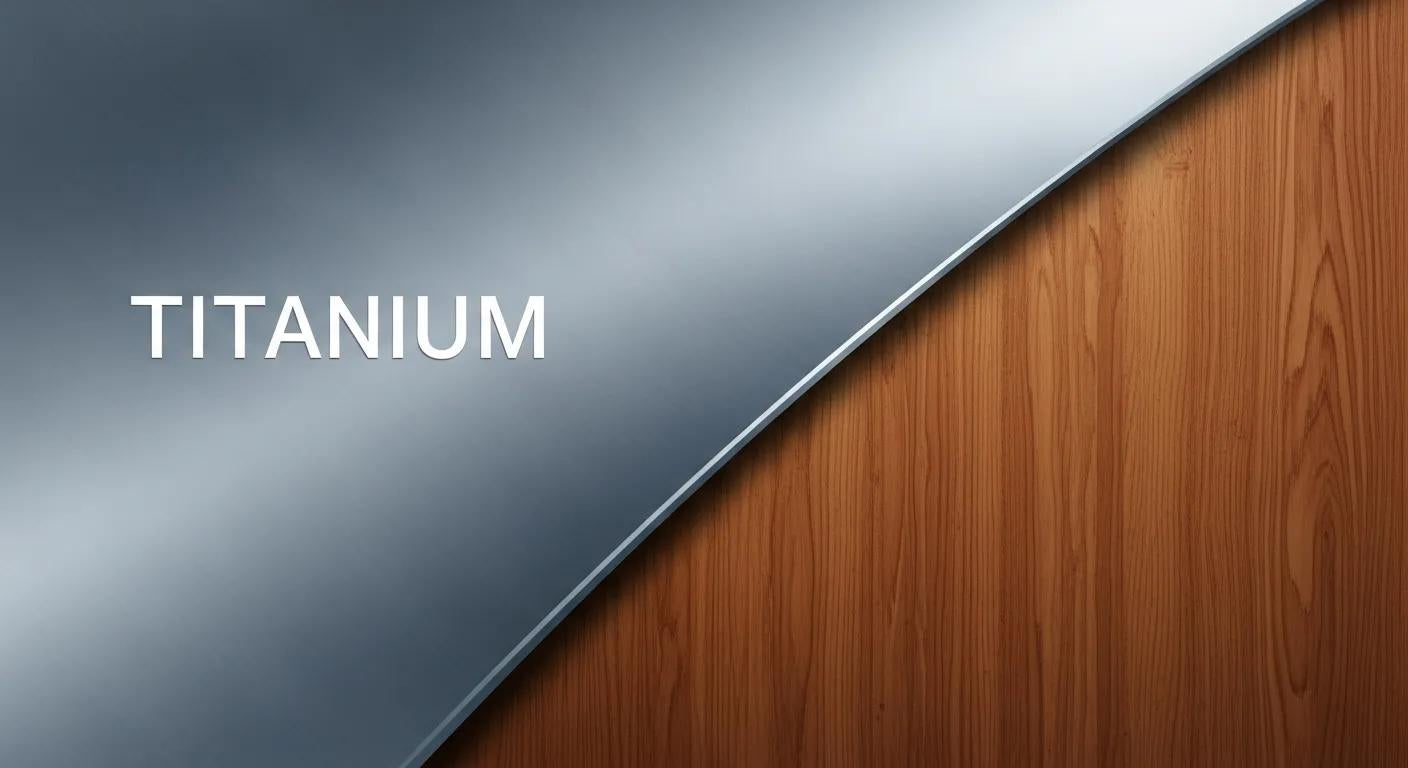
Comparing titanium and wood comes down to trade‑offs: titanium offers a hard, non‑porous surface that’s easy to sanitise; wood offers natural antimicrobial qualities, a forgiving surface for knives, and can be sustainably sourced. Both can be safe when used and maintained correctly — your choice should reflect how you cook and how rigorously you’ll care for the board.
Which Handles Cross‑Contamination Better?
Titanium‑coated or metal boards generally resist cross‑contamination because they’re non‑porous and can tolerate stronger sanitising routines. While wooden boards may seem more vulnerable, they can be very safe when cleaned and dried properly. In short, titanium gives you easier sanitisation; wood gives natural resilience when well-maintained.
Environmental and Health Considerations
Keep in mind that titanium production can be quite energy and resource-intensive, with a notable environmental footprint from mining and processing. Wood boards — when sourced from well‑managed forests — tend to be the lower‑impact choice. From a health perspective, titanium is inert and food‑safe; some people may react to particular wood species, so opt for common hardwoods like maple or walnut if allergies are a concern.
Which Board for Which Foods?
Using separate boards for different food types is a smart kitchen practise. Material choice can also influence performance depending on what you’re cutting.
Best board for raw meat
For raw meat, we recommend a non‑porous surface that’s straightforward to sanitise — plastic or metal (including titanium‑coated boards) fit this role well. Wooden boards can be used for meat if you commit to thorough cleaning and drying after each use, but many food‑safety experts prefer avoiding wood for raw meat to minimise cross‑contamination risk.
Best board for vegetables, fruit and bread
For produce and bread, wood is often preferred. It gives a gentle cutting surface that’s kinder to knife edges and helps control moisture while you work. Titanium boards also work here if you prefer a harder surface and fast sanitisation.
Cleaning and Maintenance: Practical Tips
Good cleaning habits keep either material safe and extend the life of your board. Below are reliable routines for both titanium and wood.
How to disinfect titanium boards
Wipe titanium‑coated boards with warm, soapy water and rinse thoroughly. For deeper cleaning, a vinegar‑and‑water solution is effective. Avoid abrasive scourers that might scratch the coating; scratches can trap food debris and reduce the board’s sanitising advantage. Make sure boards are completely dry before storing.
How to sanitise and oil wooden boards
Wash wooden boards with warm water and mild detergent after each use and dry them upright. Periodically treat the surface with food‑grade mineral oil to keep the wood hydrated and prevent cracking. For stains or stronger sanitising, use a vinegar solution or a coarse salt and lemon rub, then rinse and dry thoroughly.
| Material | Hygiene Properties | Maintenance Requirements | Environmental Impact |
|---|---|---|---|
| Titanium | Non‑porous surface; easy to sanitise | Clean with mild detergent; avoid abrasives | High resource and mining footprint |
| Wood | Natural antibacterial traits; self‑healing for shallow cuts | Regular washing, drying and oiling | Sustainable options when responsibly sourced |
This side‑by‑side highlights how titanium and wood differ in hygiene, upkeep and environmental cost so you can choose the right board for your kitchen and habits.
To summarise: both titanium and wood can be safe choices. Titanium makes sanitising easier; wood provides natural resilience and a knife‑friendly surface. Your best option depends on how you use and care for the board.
Frequently Asked Questions
How do I know when to replace a wooden cutting board?
Replace a wooden board when it develops deep grooves, cracks or warping, or if it holds a persistent bad odour after cleaning. Deep cuts can shelter bacteria, so once repairs or sanding no longer restore a smooth, even surface, it’s safer to get a new board.
Are metal utensils OK on titanium boards?
Titanium‑coated boards are tough, but metal utensils can still leave scratches over time. To protect the surface and maintain easy sanitisation, favour plastic, wood or silicone utensils when possible.
What’s the best way to lift stains from a wooden board?
Sprinkle coarse salt over the stained area and rub with half a lemon — the abrasive salt plus acidic lemon helps lift stains. Rinse, dry and follow up with food‑grade mineral oil. For stubborn marks, a baking soda paste can help before oiling.
Which wood types make the best cutting boards?
Hardwoods like maple, walnut and cherry are top choices — they’re dense, durable and commonly used for kitchen boards. Bamboo is a sustainable alternative (technically a grass), but it can be a bit harder on knives. Avoid softwoods such as pine, which are more porous and wear faster.
How should I disinfect a wooden cutting board?
Wash with warm, soapy water and rinse well. For extra disinfection, wipe with a solution of one part vinegar to four parts water and let air dry completely. Regular oiling with food‑grade mineral oil helps keep the wood sealed and less prone to absorbing odours or stains.
How can I tell if a titanium cutting board is good quality?
Quality titanium boards will have a substantial, even coating and solid overall construction. Look for reputable manufacturers and positive user reviews about durability and ease of cleaning. A thicker coating generally means better wear resistance and longer-lasting non‑porous performance.