





Revolutionise Your Kitchen with Titanium Boards
Swap to titanium cutting boards for a blend of durability, hygiene and health benefits. They’re built for daily use and help create a safer cooking space. This article outlines their advantages, how they improve hygiene, their durability and sustainability, how they work in commercial fit-outs, maintenance to keep them in top condition, health benefits and common questions for both commercial and home kitchens.
What Are the Key Benefits of Titanium Cutting Boards in Kitchens?
Titanium cutting boards offer clear benefits: they resist warping and cracking, limit bacterial growth and are non‑toxic. Those features combine to make food prep safer and more reliable, which matters if you prioritise health in the kitchen.
How Do Titanium Cutting Boards Enhance Kitchen Hygiene and Safety?
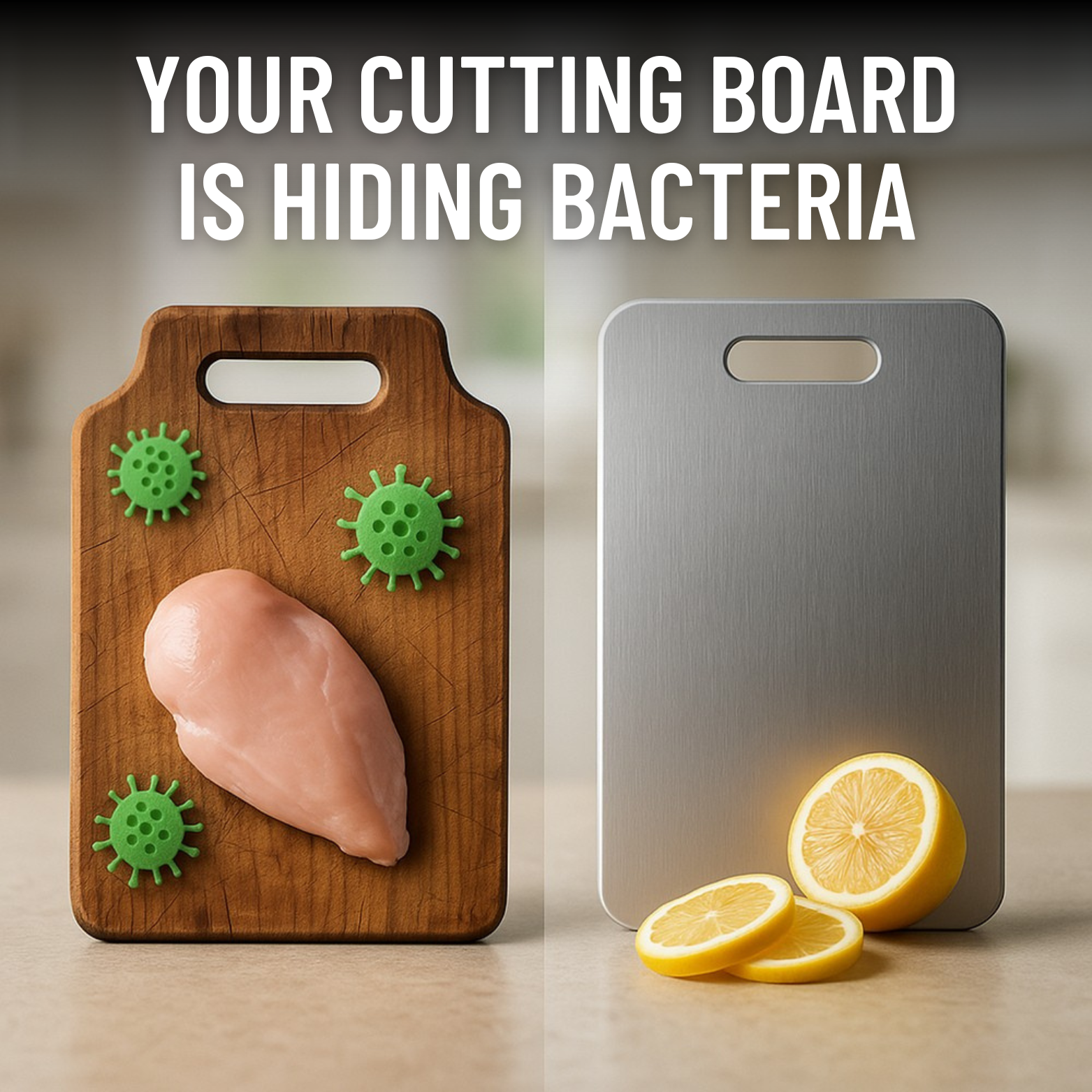
Titanium limits bacterial growth through antimicrobial properties, reducing cross‑contamination risk. Its non‑porous surface is easy to clean, so you can keep prep areas hygienic with minimal effort.
Why Is Titanium Considered a Durable and Sustainable Material for Cutting Boards?
Titanium’s strength and resistance to moisture prevent warping and cracking. That longevity cuts the need for frequent replacements and helps minimise waste. Titanium is also recyclable, so it supports a more sustainable kitchen.
How Can Commercial Kitchen Fit-Outs Integrate Titanium Cutting Boards Effectively?
Adding titanium cutting boards to commercial fit‑outs improves function and aesthetics. Their sleek, modern finish lifts the kitchen’s look while delivering practical benefits.
What Are the Advantages of Using Titanium Boards in Commercial Kitchen Designs?
Titanium boards are visually appealing, resist staining and are easy to maintain. They’re lightweight enough to handle during busy service and durable enough to withstand high‑volume food preparation.
Which Case Studies Demonstrate Successful Titanium Cutting Board Installations?
Many kitchens have seen practical gains after switching to titanium. Chefs often notice improved hygiene and a smoother cooking experience. These examples show titanium’s effectiveness in professional kitchens.
What Maintenance Practices Ensure Longevity and Hygiene of Titanium Cutting Boards?
Simple routines keep titanium boards hygienic and long‑lasting. Regular cleaning and correct storage are key to keeping them in optimal condition.
How Should Titanium Cutting Boards Be Cleaned and Maintained?
Wash with warm soapy water after each use and avoid abrasive cleaners that could scratch the surface. For deeper cleaning, use a vinegar and baking soda mix on stubborn stains. Regular care keeps boards hygienic and looking good.
What Are the Recommended Tips for Preserving Titanium Board Durability?
Store boards flat and avoid stacking heavy items on them to prevent warping. Use cutting tools that are gentle on the surface to preserve integrity. These simple steps help your board last for years.
How Do Titanium Cutting Boards Support Natural Cooking Solutions for Better Health?
Titanium fits natural cooking principles by being non‑toxic and safe for food contact. It’s a strong choice if you prioritise healthier cooking methods.
What Health Benefits Do Titanium Kitchen Tools Provide Compared to Other Materials?
Titanium tools don’t leach harmful chemicals and are non‑toxic, making them safer than some plastics or treated woods. That matters for anyone concerned about chemical exposure during food prep.
How Do Natural Cooking Surfaces Influence Wellness and Food Safety?
The non‑porous nature of titanium prevents food particles and bacteria from being absorbed into the surface. That supports food safety and contributes to overall wellness in the kitchen.
What Are the Common Questions About Titanium Cutting Boards in Commercial and Home Kitchens?
As titanium boards become more common, people often ask similar questions about their use in both commercial and home kitchens.
Are Titanium Cutting Boards Safe and Antimicrobial for Food Preparation?
Yes. Titanium boards offer antimicrobial properties that inhibit bacterial growth and are safe for food preparation. They meet safety standards suitable for kitchens.
How Do Titanium Boards Compare to Wood and Plastic Alternatives?
Compared with wood and plastic, titanium is more durable and hygienic. It doesn’t absorb moisture like wood and resists scratches and stains better than plastic, so it generally lasts longer.
| Maintenance Practice | Description | Frequency |
|---|---|---|
| Cleaning | Wash with warm soapy water | After each use |
| Deep Cleaning | Use vinegar and baking soda | Weekly |
| Proper Storage | Avoid stacking heavy items | Always |
This table summarises essential maintenance practices to maximise the lifespan and hygiene of titanium cutting boards. Follow these steps to keep your kitchen clean and safe.
Frequently Asked Questions
What makes titanium cutting boards a better choice for health-conscious cooks?
Titanium boards are non‑toxic and don’t leach chemicals into food. Their antimicrobial surface also reduces bacterial risk. That combination of safety and hygiene suits cooks who prioritise health.
Can titanium cutting boards be used for all types of food preparation?
Yes. The non‑porous surface stops absorption of food particles and odours, so they’re suitable for meats, vegetables and fruits. They also resist staining and scratching, helping them stay hygienic across uses.
How do titanium cutting boards impact the environment compared to traditional materials?
Titanium boards typically have a lower environmental impact than wood or plastic because they last longer and are recyclable. Fewer replacements mean less waste, so choosing titanium supports a more eco‑friendly practice.
Are there any specific brands known for high-quality titanium cutting boards?
Several brands are recognised for quality titanium boards, including TitanCut and Chef'sChoice. Checking customer reviews and product details can help you find a reliable and safe board.
What should I expect regarding the cost of titanium cutting boards?
Prices vary depending on size, brand and features. While titanium boards may have a higher initial cost than some alternatives, their durability and longevity often make them a worthwhile investment over time.
How do I know if my titanium cutting board is of good quality?
Look for food‑safety and durability standards. High‑quality boards use pure titanium or suitable alloys and resist wear. Reviews, brand reputation and product information are also useful quality indicators.