






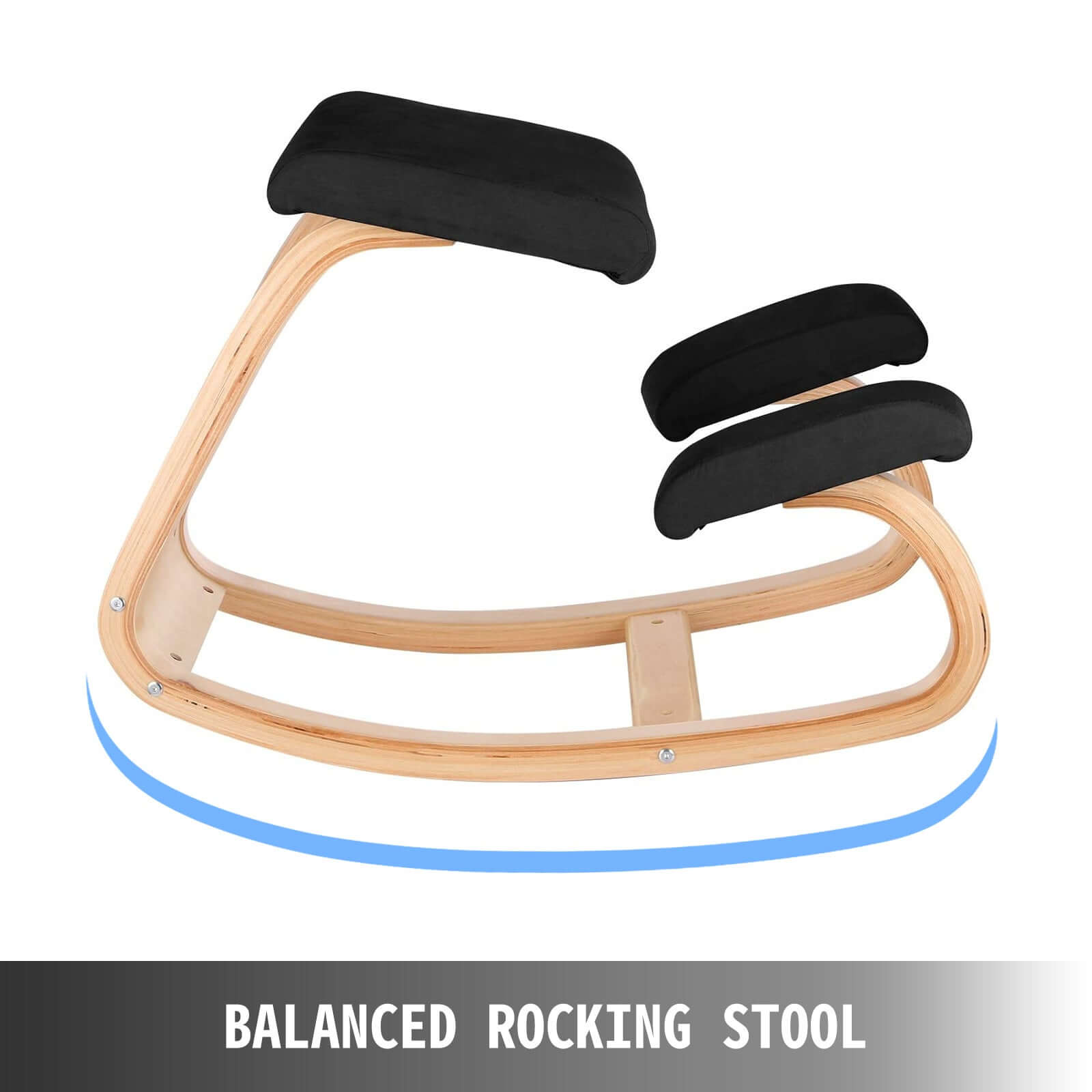
Comfort That Moves You: Best Ergonomic Kneeling Chairs in the UK
What Is an Ergonomic Kneeling Chair and How Does It Enhance Your Workspace?
A kneeling chair repositions your body so the pelvis tilts slightly forward and weight is shared between your buttocks and shins. That open hip angle encourages the natural curve of the spine, which reduces strain on the lower back and helps you sit more upright. Beyond comfort, the design supports an engaged sitting posture — useful for focused, sustained work. The idea dates back to the 1970s when designers began rethinking office seating to reduce the negative effects of traditional chairs.
How Does a Kneeling Chair Promote Better Posture and Spinal Health?
By promoting an anterior pelvic tilt and an open hip angle, kneeling chairs help preserve the spine’s natural S‑curve and make slouching less likely. That posture reduces pressure on intervertebral discs and encourages gentle core activation, which supports spinal stability over time. Many people find reduced back discomfort and greater comfort during long stretches of sitting, particularly when the chair is used as part of a varied seating routine.
Specific chair features — like backrest size, seat pan shape and adjustable angles — are important for reducing spinal load across different tasks and body positions.
What Are the Key Benefits of Using a Kneeling Chair for Back Pain and Posture Improvement?
Kneeling chairs offer several practical benefits, especially for people who spend long periods sitting or who experience lower‑back discomfort. Core advantages include better spinal alignment, less pressure on the lumbar region, and a seating position that supports alertness and productivity.
- Relief from back pain: By spreading weight between shins and buttocks, kneeling chairs reduce pressure on the lower back and can ease pain linked to prolonged slouching.
- Improved posture: The forward‑tilt design encourages an upright spine, which can help establish healthier sitting habits over time.
- Increased focus and productivity: Active sitting encourages subtle muscle engagement, which many users find helps sustain concentration and reduce the mid-afternoon slump.
How Do Kneeling Chairs Relieve Back Pain and Support Spinal Alignment?
Kneeling chairs shift load away from the lumbar spine by redistributing weight through the thighs and shins. That positioning helps the spine keep its natural curve and reduces the tendency to slump. Many people find lower levels of back pain when they use kneeling chairs as part of a mixed seating routine. The design also encourages light core engagement, which supports long‑term stability.
Can Active Sitting with a Kneeling Chair Strengthen Your Core and Increase Focus?
Yes — active sitting requires small adjustments from your abdominal and back muscles to stay balanced, which can build endurance in those muscles over time. You might also find heightened alertness while using a kneeling chair because the position discourages passive, slouched sitting. That said, it works best when combined with regular breaks and varied postures throughout the day.
Which Adjustable Kneeling Chairs Are Best for Home Office Use in the UK?
When choosing an adjustable kneeling chair for a home office, prioritise adjustability, padding quality and a robust frame. Those elements ensure the chair fits your body and desk and remains comfortable during longer sessions.
- Adjustability: A chair that adjusts for user height and desk height lets you maintain an ergonomic alignment suited to your workspace.
- Material quality: Durable upholstery and supportive padding improve comfort and longevity, especially if you intend to use the chair frequently.
- Design and aesthetics: Pick a style that complements your home office while meeting ergonomic needs — you’re more likely to use a chair you enjoy looking at and sitting in.
What Features Should You Look for in an Adjustable Kneeling Desk Chair?
- Height adjustment: Smooth, reliable height settings help you match the chair to your desk and posture needs.
- Comfortable padding: Generous, supportive padding on both the seat and knee rests prevents pressure points during longer use.
- Sturdy construction: Quality frames and fittings ensure stable support and reduce wobble over time.
How Do Wooden, Rocking, and Memory Foam Kneeling Chairs Compare?
| Chair Type | Pros | Cons |
|---|---|---|
| Wooden Kneeling Chair | Durable, visually pleasing and stable | May feel firm without added cushioning |
| Rocking Kneeling Chair | Encourages subtle movement and flexibility | Some users may prefer firmer support for long sessions |
| Memory Foam Kneeling Chair | Excellent pressure relief and contouring comfort | Often pricier and may compress over many years |
Consider what matters most to you — look and stability, gentle movement, or plush comfort — and match the chair’s construction to your daily needs.
How Do You Properly Use and Maintain Your Ergonomic Kneeling Chair?
To get the most from a kneeling chair, introduce it gradually and follow a few simple care steps to protect comfort and lifespan.
What Are the Best Practices for Sitting and Transitioning to a Kneeling Chair?
- Start gradually: Use the kneeling chair for short sessions at first (15–30 minutes) and increase time as your body adjusts.
- Maintain good alignment: Keep your back straight, shoulders relaxed and monitor height at eye level to avoid leaning forward.
- Take regular breaks: Stand, stretch and walk briefly every 30–60 minutes to reduce stiffness and refresh circulation.
How Should You Care for and Maintain Your Kneeling Chair for Longevity?
Simple maintenance keeps your chair working well:
- Regular cleaning: Wipe surfaces with a damp cloth and mild cleaner suitable for the upholstery.
- Inspect for wear: Check padding, straps and joints periodically and address any loose fittings or damaged padding promptly.
- Re‑adjust as needed: Periodically re‑set height and angle to match changes in desk setup or personal comfort.
How Can You Integrate a Kneeling Chair into a Holistic and Sustainable Workspace?
Adding a kneeling chair can be part of a balanced, sustainable workstation. Use it alongside other ergonomic tools and choose materials that align with your environmental values for a healthier space.
What Are the Benefits of Combining Kneeling Chairs with Other Ergonomic Accessories?
Pairing a kneeling chair with a sit‑stand desk lets you alternate postures easily, which reduces static load. Accessories like footrests, monitor risers and lumbar supports can complement the chair and fine‑tune your setup for comfort and productivity.
How Does Choosing Sustainable Materials Impact Your Workspace Wellness?
Choosing furniture made from sustainable or low‑emission materials supports indoor air quality and reduces environmental impact. Eco‑friendly choices also help create a workspace that feels better for you and the planet — a small but meaningful part of overall wellbeing.
Frequently Asked Questions
What is the ideal duration for using a kneeling chair each day?
Start with 20–30 minutes at a time and gradually increase as you feel comfortable. Most people do best alternating between the kneeling chair and a conventional chair or standing desk throughout the day to avoid fatigue and maintain variety in posture.
Are there any specific exercises to complement the use of a kneeling chair?
Yes — core strength and hip mobility exercises complement kneeling‑chair use. Planks, bridges and gentle hip flexor stretches help support spinal alignment. Regular standing breaks and short walks are also important for overall musculoskeletal health.
Can children benefit from using a kneeling chair?
Children can benefit, particularly for homework or focused study, but sizing is crucial. Choose a chair that fits the child’s proportions, limit continuous use, and encourage frequent breaks to prevent fatigue and ensure comfort.
How do kneeling chairs affect circulation in the legs?
Kneeling chairs promote an open hip angle and spread weight across shins and thighs, which can improve circulation compared with some traditional seats. Still, it’s important to change positions regularly and take breaks to avoid any numbness or stiffness from prolonged static posture.
What should I consider when choosing a kneeling chair for a shared workspace?
Prioritise adjustability, comfortable padding, and lightweight design so the chair suits multiple users and moves easily between workstations. Look for durable materials and a neutral aesthetic that fits the shared environment.
Are there any potential drawbacks to using a kneeling chair?
Some people may feel pressure on their knees or shins if padding is insufficient, and long continuous use without breaks can lead to fatigue. Listen to your body, use the chair as part of a varied seating routine, and choose a model with adequate cushioning to reduce discomfort.