





Walking Pads at Home: Practical Movement for Better Health, Focus and Recovery
Walking pads are slim, foldable under-desk treadmills that make it easy to move more during your day. They offer clear benefits for heart health, low-impact joint mobility and staying productive while working from home. We'll explore what walking pads are, how they can fit into your daily routine, and why they might be a better choice than a traditional treadmill for your home. Many of us spend long stretches sitting and miss simple chances to boost NEAT (non-exercise activity thermogenesis). Walking pads turn otherwise passive time into light activity that improves circulation and gently raises your metabolic rate. You’ll find practical advice on health outcomes, how to choose a model that suits your space and goals, and how to use a walking pad safely alongside recovery tools like grounding mats and home saunas from Terra Wellness so your movement practice feels balanced and sustainable.
What Are Walking Pads and How Do They Enhance Home Fitness?
A walking pad is a compact, low-speed treadmill built for walking rather than running. It helps you add movement to the day with minimal space, noise and setup.
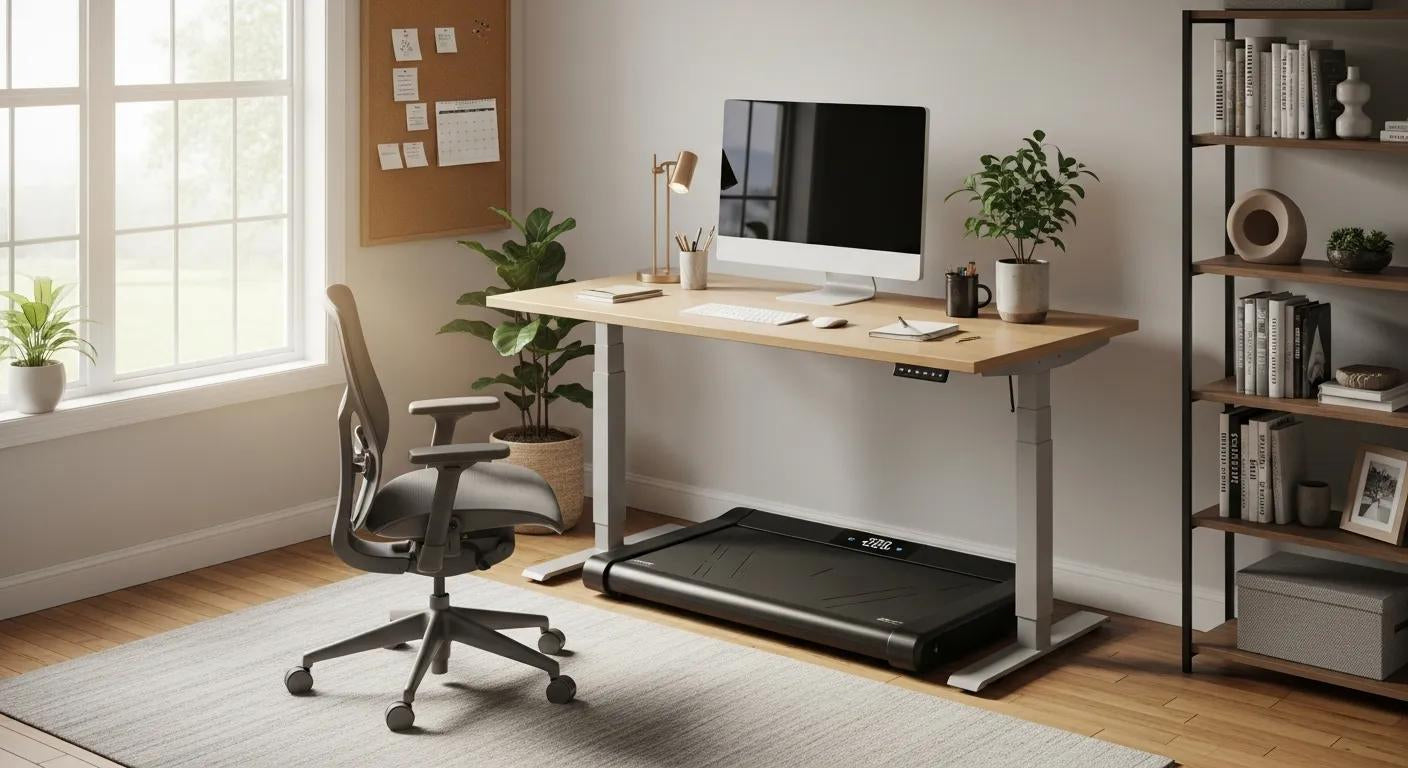
Technically, walking pads use a narrower belt, smaller motors and often fold-flat frames so you can slide them under furniture when you’re finished.
Practically, they make it straightforward to replace long periods of sitting with light activity — walking while answering emails, watching a show or taking calls raises daily steps and keeps blood flowing.
Because walking pads focus on NEAT and gentle cardio, they suit people who want steady movement without intense training. The sections below compare them to traditional treadmills and explain why short, frequent walks add up to meaningful benefits.
What Is a Walking Pad and How Does It Differ from Traditional Treadmills?
The main differences are size, speed range and intended use. Walking pads have a smaller footprint and lower top speed, which makes them perfect for home offices and shared spaces. Most models favour compactness and quiet running over top speed or steep incline; they’re designed for steady, frequent sessions rather than sprints or hill work. That design choice means motors and belts are tuned for consistent low-load use, and many models fold flat for easy storage. Essentially, you're choosing convenience and portability for daily movement, which means they're perfectly designed for steady, frequent sessions rather than intense sprints or hill work. It's all about picking the right device for your lifestyle and fitness goals.
How Do Walking Pads Support Holistic Health and Combat Sedentary Lifestyles?
Walking pads help reduce sedentary behaviour by boosting NEAT through regular, low-intensity movement. These brief bouts of activity stimulate circulation, support blood-sugar regulation, and modestly increase daily energy expenditure without the recovery needs of hard workouts.
Regular walking helps improve circulation and adds to your daily calorie burn – changes that, over time and combined with overall activity, support your metabolic health.
Holistically, sprinkling short walks through the day reduces prolonged sitting, eases stiffness and delivers mild aerobic stimulation that benefits mood and cognitive clarity.
Seeing these benefits makes it clear why many short walks across the day can be more beneficial and manageable than a single long workout. The next section looks at specific cardiovascular and musculoskeletal benefits.
What Are the Key Health Benefits of Using Walking Pads at Home?
Used consistently, walking pads support heart health, weight control, joint-friendly movement and improved day-to-day function by providing regular light to moderate activity.
The principle is simple: walking raises heart rate slightly, improves circulation and increases energy expenditure above rest. Over weeks and months, these small changes add up to measurable improvements. Because walking is low-impact, it places less stress on joints than running, making this a practical option for older adults, people returning from injury and busy professionals who need a reliable way to move. Below, we outline the main benefits and show how typical use patterns lead to great outcomes.
- Cardiovascular support: Regular low–to–moderate intensity walking helps circulation and supports healthy blood pressure.
- Weight management: More daily steps and higher NEAT contribute to steady, manageable calorie burn.
- Joint-friendly exercise: Low-impact movement reduces compressive forces versus running, improving adherence over time.
- Mental well‑being: Light aerobic activity helps mood, alertness and sustained focus during the day.
This mapping shows how simple, consistent use translates to practical outcomes and leads to session guidance later in the guide.
| Use Case | Practical Outcome |
|---|---|
| Short frequent sessions (10–20 min) | Supports gradual weight management |
| Walking while working | Improved focus and alertness |
| Low-impact steady gait | Better long-term joint health |
The table links common walking-pad patterns to expected benefits so you can choose routines that fit your goals. Next, we cover cardiovascular specifics and how to schedule walks to meet public health recommendations.
For those building a wider recovery practice, Terra Wellness pairs walking pads with grounding mats, home saunas and other accessories so movement and recovery work together — emphasising calm, presence and balance rather than high-intensity training alone.
How Do Walking Pads Improve Cardiovascular Health and Weight Management?
Walking pads deliver a steady, low-grade aerobic stimulus that supports circulation and cardiorespiratory conditioning when used regularly. Health experts often suggest around 150 minutes of moderate activity each week – a goal that's easily achievable with regular short walks on your pad. Practically, several 15–30 minute walks across the workweek help you meet that target without the fatigue of a single long session. For weight goals, small per‑session calorie burns add up; pairing walking with modest dietary changes produces sustainable results. These realistic targets make it easier to build a routine that supports your overall health.
In What Ways Do Walking Pads Promote Joint Health and Low-Impact Exercise?
Walking pads support joint health by encouraging gentle movement that helps nourish cartilage without the high-impact forces of running. Lower impact reduces the risk of overuse injuries, making walking pads suitable for older adults, people with osteoarthritis or those rehabilitating lower-limb injuries. We always suggest gradually increasing your walking time, listening to your body, and paying attention to your posture and footwear. Because walking pads make movement convenient, they help maintain habits that protect joints and preserve mobility over time.
How Can Walking Pads Boost Productivity and Mental Well-being During Work From Home?

Adding a walking pad to your WFH setup can sharpen cognitive performance, break up sedentary fatigue and lift mood through light aerobic stimulation. Mild activity increases blood flow to the brain and helps support attention and creative thinking. In practice, pair walking with tasks that don’t need intense fine motor control — webinars, brainstorming, or email triage work well — while saving detailed typing or precision work for seated periods. The following sections explain which tasks suit walking and how timing walks can improve stress regulation and sleep.
Reducing sedentary time at work can benefit productivity, well-being and musculoskeletal health.
How Does Walking While Working Enhance Focus and Cognitive Function?
Walking during suitable tasks helps keep you alert and increases blood flow to the brain, supporting focus and creative problem-solving. Lower‑demand activities — phone calls, listening to podcasts, reviewing documents or ideation sessions — pair best with walking. Intensive typing or precision work is usually better done seated. Aim for a comfortable, brisk pace (roughly 3–6 km/h) so you can talk and think clearly without breathlessness. An active workstation set up with correct monitor height and keyboard placement reduces postural strain and lets you get the most cognitive benefit from moving more.
What Are the Effects of Walking Pads on Stress Reduction and Sleep Quality?
Regular light activity from a walking pad can lower stress by helping to release feel-good hormones, which support your mood and resilience. Morning walks help wake up the body and reinforce natural sleep-wake cycles, while gentle evening walks — avoiding vigorous intensity close to bedtime — can lower pre‑sleep arousal for many people. Short mid‑afternoon sessions are a practical way to counter post‑lunch dips. When scheduled consistently, these small behaviour changes support better stress management and more restorative sleep over time.
Which Features Should You Consider When Choosing a Foldable Walking Pad for Home Use?
Choosing a foldable walking pad means balancing quiet operation, compact storage, speed and incline range, and connectivity against your space and fitness priorities so you’ll actually use it.
Use this quick checklist when comparing models:
- Quiet operation and low vibration so it won’t disturb calls or neighbours.
- Compact foldability and low storage height to fit under sofas or beds in small homes.
- Speed range and incline options that match how you plan to use it — from gentle ambulation to brisk walking.
- Connectivity for tracking and guided sessions, plus good support.
The short table below shows common attributes and typical values to help you prioritise features for your living situation and goals.
The following table compares important feature trade-offs across typical walking-pad attributes:
| Model Attribute | Attribute Detail | Typical Value / Consideration |
|---|---|---|
| Noise Level | Operational decibel rating | Aim for under ~60 dB for quiet home use |
| Folded Dimensions | Storage footprint | Low-profile fold fits under furniture more easily |
| Speed Range | Top speed | 0.5–6 km/h covers most walking needs |
| Weight Capacity | Max user weight | Choose a rating above your body weight for longevity |
| Connectivity | App / remote | Bluetooth tracking and a simple remote add everyday value |
This table helps match features to household constraints and training aims. Where a product fits these needs, Terra Wellness notes walking pads in its fitness accessories alongside grounding mats and home saunas to support a calm, balanced home-wellness routine.
Why Are Quiet Operation and Compact Design Essential for Home Fitness Equipment?
Quietness and compactness matter because many users share spaces or work from home and need equipment that doesn’t interrupt calls or household life. Keeping noise under typical conversation levels (around 60 dB) lets you use a walking pad during meetings, while low vibration reduces disturbance in apartments. Fold-flat designs that slide under a couch or bed make daily use less of a chore. Considering your living arrangements and the household schedule before buying raises the chance you’ll use the device regularly.
How Do Speed Range, Incline, and App Connectivity Influence Walking Pad Performance?
Speed and incline define the range of intensities a walking pad can support, from gentle ambulation to brisk intervals. A broader speed range helps you progress, while even modest incline options raise muscular demand and calorie burn without needing higher speeds. App connectivity helps track sessions, build habits and follow guided workouts. For many people, prioritising NEAT and productivity, stable speeds and simple connectivity matter more than very high top speeds or steep inclines.
| Feature | Benefit | When It Matters |
|---|---|---|
| Speed Range | Controls intensity | When you want to progress from casual to brisk walks |
| Incline | Increases muscle demand | When you want more calorie burn without higher speeds |
| App Connectivity | Tracking and programs | When you want metrics and habit support |
This summary helps you prioritise the features that will actually support your habits. Next, we compare walking pads with traditional treadmills to guide the final buying decision.
How Do Walking Pads Compare to Traditional Treadmills for Home Fitness?
| Equipment Type | Best For | Key Trade-offs |
|---|---|---|
| Walking Pad | Space-saving, WFH active use | Lower speed/incline, not ideal for running |
| Treadmill | Running, high-intensity training | Larger footprint, louder, more costly |
| Hybrid / Folding Treadmill | Moderate running with space limits | Compromise on deck size and durability |
Which option is right depends on your exercise priorities, available space and tolerance for noise. The sections below list walking pads’ advantages and when a treadmill is more appropriate.
What Are the Advantages of Walking Pads Over Conventional Treadmills?
Walking pads are portable, quieter and easier to store, which lowers the barriers to regular use in smaller homes. Their simpler setup and great value make them an attractive way to add NEAT to daily life. Because they emphasise comfort and convenience, walking pads support the short, frequent sessions that compound into real health gains without the time or recovery demands of gym workouts. In apartments or shared houses where floor space and neighbour noise are concerns, walking pads often deliver better practical value than a full-size treadmill.
In Which Situations Might a Treadmill Be Preferable to a Walking Pad?
If your priority is running performance, steep inclines or intense interval training, a full treadmill is usually the better choice. Serious runners need a longer deck and a more powerful motor to maintain speed and stability, and heavy daily use benefits from the durability of commercial-grade machines. If you want maximum calories per minute, sprint intervals or precise pace training, a treadmill is aligned with those goals. Thinking about your long-term training needs before you buy helps ensure you pick the right equipment for your goals.
What Are the Best Practices for Walking Pad Safety, Maintenance, and Integration with Wellness Products?
Good care and safe use extend a walking pad’s life and protect users. Make quick safety checks, keep the device clean and store it thoughtfully as part of a routine. Daily habits include checking the belt for debris, wiping away sweat and dust, and keeping the area clear of trip hazards. Periodic maintenance — lubricating the belt if the manufacturer advises, checking tension and alignment, and installing firmware updates — preserves performance and reduces motor wear. Below, we also suggest safe ways to combine walking pads with grounding mats and saunas, including electrical-safety and sequencing tips.
How Should You Maintain and Care for Your Walking Pad to Ensure Longevity?
A few simple steps go a long way: wipe the deck and rails after use, check belt alignment and tension monthly, and follow the manufacturer’s instructions for lubrication and software updates. Regular visual checks for frayed edges or loose components catch small issues before they become failures. Store the unit folded or covered in a dry place to protect electronics, and don’t exceed the rated weight limit to avoid undue stress. If any issues arise, it's always best to rely on authorised service – looking after your walking pad proactively helps keep it running smoothly.
- Inspect the belt and deck before use to avoid debris and slippage.
- Clean sweat and dust from surfaces after sessions to prevent corrosion.
- Check belt alignment, tension and firmware periodically according to the device manual.
These steps help keep the machine reliable. The next section outlines how to pair walking with recovery tools responsibly.
How Can Walking Pads Be Integrated with Grounding Mats and Other Terra Wellness Products?
Combining walking pads with grounding mats and home saunas creates a simple movement‑plus‑recovery flow that supports circulation, relaxation and restoration when done safely. Example approaches include a morning walking session to warm circulation, followed by a short grounding-mat practice for breathwork and posture release, or an evening gentle walk and a later sauna session with proper rehydration and cooling time in between. Electrical safety is essential: keep electronics and grounding products dry, don’t place conductive mats on powered devices, and follow each product’s instructions. Thoughtful sequencing links the energising effects of walking with restorative grounding and gentle heat therapies for balanced home‑wellness.
- Sample Routine 1: Morning 20‑minute walk on the pad, then 10 minutes on a grounding mat for breathwork and gentle release.
- Sample Routine 2: Afternoon 15‑minute walk to interrupt sedentary time; later, a short sauna session to relax muscles (with hydration).
- Sample Routine 3: Light walking during calls to boost NEAT; finish the day with grounding and stretching to prepare for sleep.
These pairings show how a walking pad can be the active core of a broader at‑home wellness routine that includes Terra Wellness’s complementary products, all while keeping safety and recovery front of mind.