






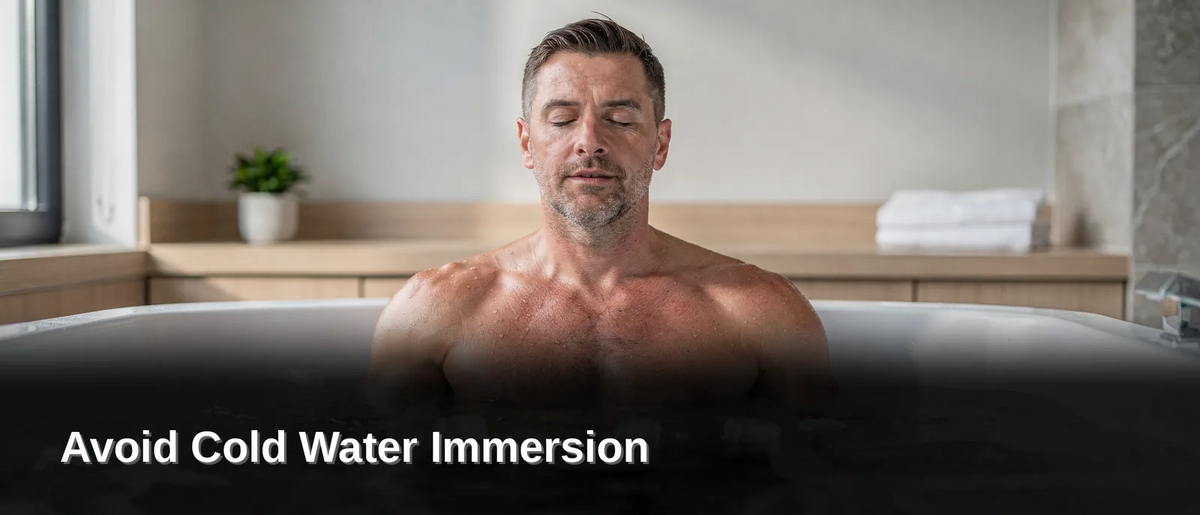
Who Should Avoid Cold Water Immersion
Individuals with heart conditions should exercise particular caution with cold water immersion. Sudden cold exposure can rapidly increase breathing, heart rate and blood pressure, placing extra strain on the cardiovascular system. Anyone with underlying cardiovascular issues should consult a healthcare professional before trying a cold plunge.
Key Takeaways
Individuals with cardiovascular conditions face increased risks during cold water immersion activities.
People with high blood pressure may face greater cardiovascular strain during sudden cold exposure and should seek personalised medical advice first.
Those with heart disease should consult healthcare professionals before attempting cold plunging routines.
Gradual acclimatisation may reduce the initial shock response, but it does not remove the risks of cold water immersion.
What actually happens when you hit cold water?
Cold water immersion sets off an immediate chain reaction inside the body. The heart responds first, working harder within seconds of contact with icy water. Breathing quickens, blood vessels near the skin tighten, and the nervous system shifts into high alert.
This reaction is the body's built-in survival response. Several changes happen almost simultaneously during a cold plunge:
Heart rate rises as circulation redirects toward core organs
Breathing becomes rapid and shallow, often called the gasp response
Skin blood vessels narrow, pushing blood toward the chest
Does an ice bath affect the heart differently than other cold exposure?
Yes, because the heart sits among the first organs to react, sudden immersion places real demand on cardiovascular function, even for fit adults. Anyone easing into a new ice bath routine benefits from a gradual approach rather than a sudden full-body dunk. That gradual mindset forms a core part of ice bath safety.
Who should be extra cautious with cold plunges?
Certain groups face higher risks from icy immersion and should pause before stepping in. Newcomers to this practice need specific information before turning regular dips into a fixed part of their fitness or wellness routine. Enthusiasm for an ice bath often outpaces preparation, and that gap is exactly where problems start.
Do I need medical clearance before trying a cold plunge?
Anyone with existing health questions or diagnosed conditions should speak with a healthcare professional first. This step matters for anyone with existing health questions or diagnosed conditions. Sudden cold exposure places real stress on the body. A short conversation beforehand is a small step compared to the risks of an unplanned reaction mid-plunge.
What should cautious beginners do before their first session?
Beginners benefit from building a baseline understanding of cold water immersion before attempting a full cold plunge. Some practical habits support safer entry:
Confirm medical suitability with a doctor first.
Start with shorter exposures rather than extended sessions.
Avoid plunging alone, especially early on.
Learn the signs of overexposure before testing limits.
Ice bath safety also depends on knowing where to turn with questions. Terra Wellness can answer questions about the product's specifications and setup. Questions about medical suitability should be directed to a qualified health professional. Caution early on protects the long-term benefit of the practice.

How can you safely start cold water immersion?
Gradual exposure, proper preparation, and professional guidance form the foundation of safe cold water immersion. Short sessions at moderate temperatures suit beginners far better than diving straight into an extreme cold plunge.
Ice bath safety starts before the first dip. A cautious approach includes:
Limiting early sessions to brief exposure windows
Breathing steadily to manage the initial shock response
Avoiding immersion alone, especially when new to the practice
Warming up gradually afterward instead of rushing into a hot shower
What equipment helps beginners ease in at home?
Home setups matter just as much as technique. Delivered gear lets newcomers practise consistency, which matters more than intensity for lasting benefit.
Does an Australian-owned brand approach cold therapy differently?
Terra Wellness was founded by Sarah and Dylan. The philosophy favours considered routines over extreme trends. For Australians weighing up cold plunge therapy, that distinction, steady practice over shock value, often determines whether the habit sticks.
When to stop immediately
Exit the water if breathing remains uncontrolled or you develop chest pain, dizziness, confusion, weakness, numbness or poor coordination. Move to a warm, dry place and seek urgent medical help for severe or persistent symptoms. Gradual acclimatisation does not make extreme cold exposure risk-free.
FAQ
Who should be cautious with cold water immersion?
People with heart conditions, high blood pressure, or respiratory issues face increased risks during cold water immersion. The sudden shock of cold water can be particularly risky for individuals with cardiovascular conditions. Individuals with heart conditions should consult a healthcare professional before attempting cold water immersion.
Why does cold water immersion stress the heart?
The heart reacts first to cold exposure, working harder within seconds as blood vessels narrow and circulation redirects toward core organs. This sudden demand on cardiovascular function creates real risk, even for fit adults attempting a quick full-body dunk.
What steps help beginners stay safe during their first cold plunge?
Beginners should confirm medical suitability with a doctor, start with shorter exposures, avoid plunging alone, and learn the signs of overexposure beforehand. Building this baseline understanding supports safer entry into cold water immersion.
Conclusion
Cold water immersion carries real risks. People with cardiovascular or respiratory conditions, uncontrolled blood pressure, pregnancy, or medicines that affect heart rate or blood pressure should seek personalised medical advice before starting. Never plunge alone, enter gradually, keep the head above water, and leave immediately if you experience uncontrolled gasping, chest pain, dizziness, confusion or loss of coordination. Call emergency services if severe symptoms occur.