





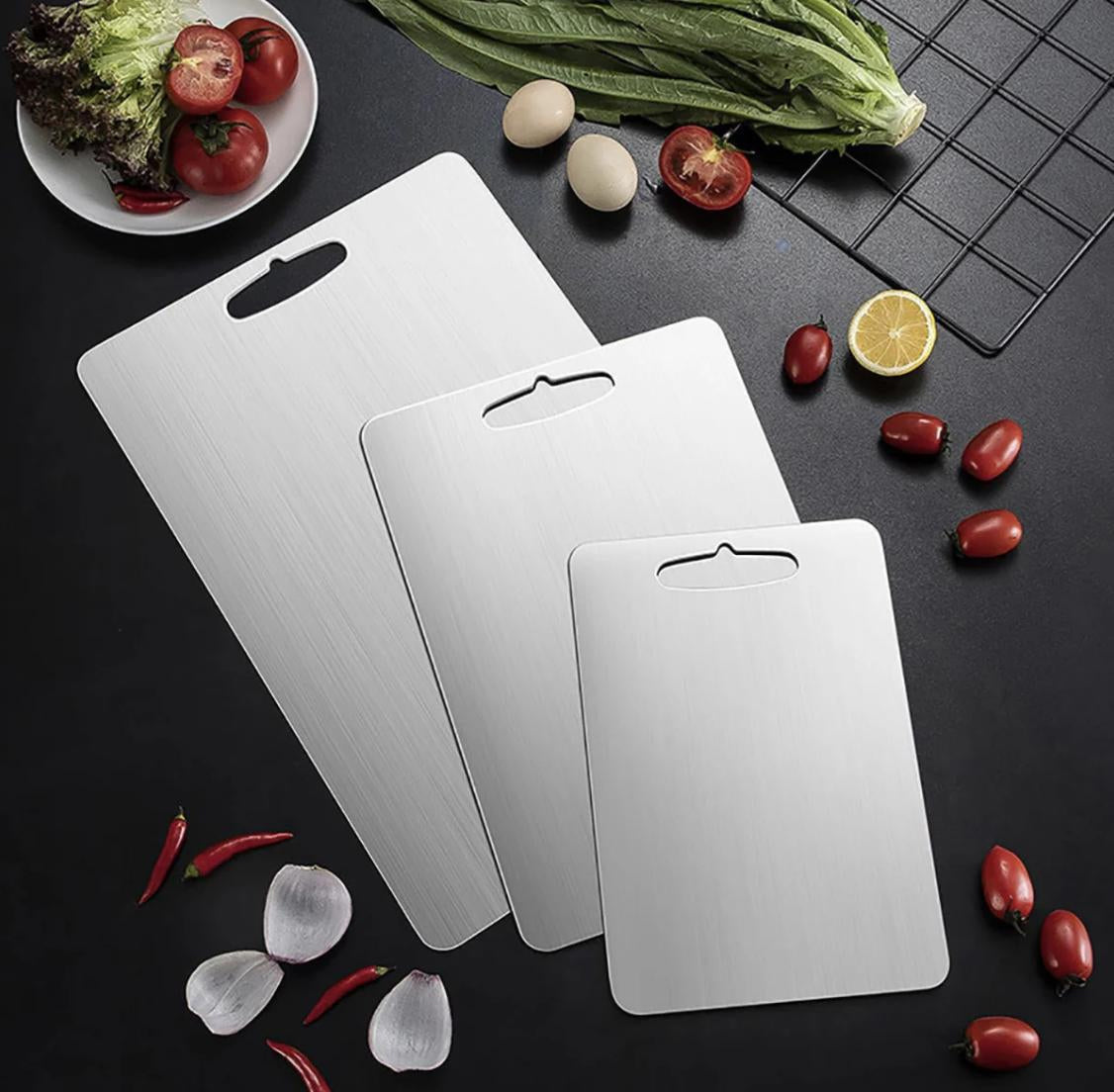
Why Choose a Titanium Cutting Board for Your Culinary Needs: Best Non-Toxic, Durable, and Antibacterial Kitchen Tools
The cutting board you choose affects food safety and prep efficiency. Titanium boards stand out: they’re non-toxic, durable and naturally antibacterial, which improves kitchen hygiene. This article reviews the health benefits of titanium boards, compares them with wood and plastic, and offers care tips to extend their life. Knowing these advantages helps health-conscious buyers make informed choices for a wellness-focused kitchen.
What Are the Health Benefits of Using a Titanium Cutting Board?
Titanium cutting boards deliver clear health benefits. They won’t leach harmful chemicals into your food, and their antibacterial properties reduce the risk of cross-contamination. Together, these features support a cleaner, safer kitchen.
Manufacturers also produce titanium kitchen tools that share these benefits. These items suit health-conscious users who prioritise safety and long-lasting performance.
How Does Titanium Promote Food Safety and Wellness?
Titanium’s non-porous surface stops bacteria and odours from soaking in, keeping prep areas cleaner. Using titanium cutting boards helps keep your food preparation area free from contaminants and supports healthier cooking habits.
What Makes Titanium Antibacterial in Kitchenware?
Titanium naturally resists bacterial growth, helping to keep your kitchen surfaces hygienic. This makes titanium cutting boards a practical choice for maintaining cleanliness and reducing the risk of foodborne illness.
How Does a Titanium Cutting Board Compare to Wood and Plastic Alternatives?

Compared with wood and plastic, titanium stands out for durability, hygiene and safety. Unlike porous wood that can trap bacteria, titanium is easier to sanitise. It also resists warping and scratching, so it often lasts longer than typical plastic boards.
What Are the Durability Advantages of Titanium Cutting Boards?
Titanium cutting boards are built for heavy use and resist visible wear, so they represent a long-term kitchen investment. Wood can crack or splinter, and plastic can scratch or discolour; titanium keeps its structural integrity over time and remains a reliable prep surface.
How Do Titanium Cutting Boards Perform in Hygiene Compared to Other Materials?
On hygiene, titanium outperforms both wood and plastic. Its non‑porous surface prevents bacteria from penetrating and makes the board easier to clean and disinfect. Titanium surfaces can be cleaned more effectively than wood or plastic, which may retain bacteria even after washing.
While titanium offers clear strengths, traditional materials also have their place in kitchens, depending on user preferences and care routines.
How Should You Maintain and Care for Your Titanium Cutting Board?
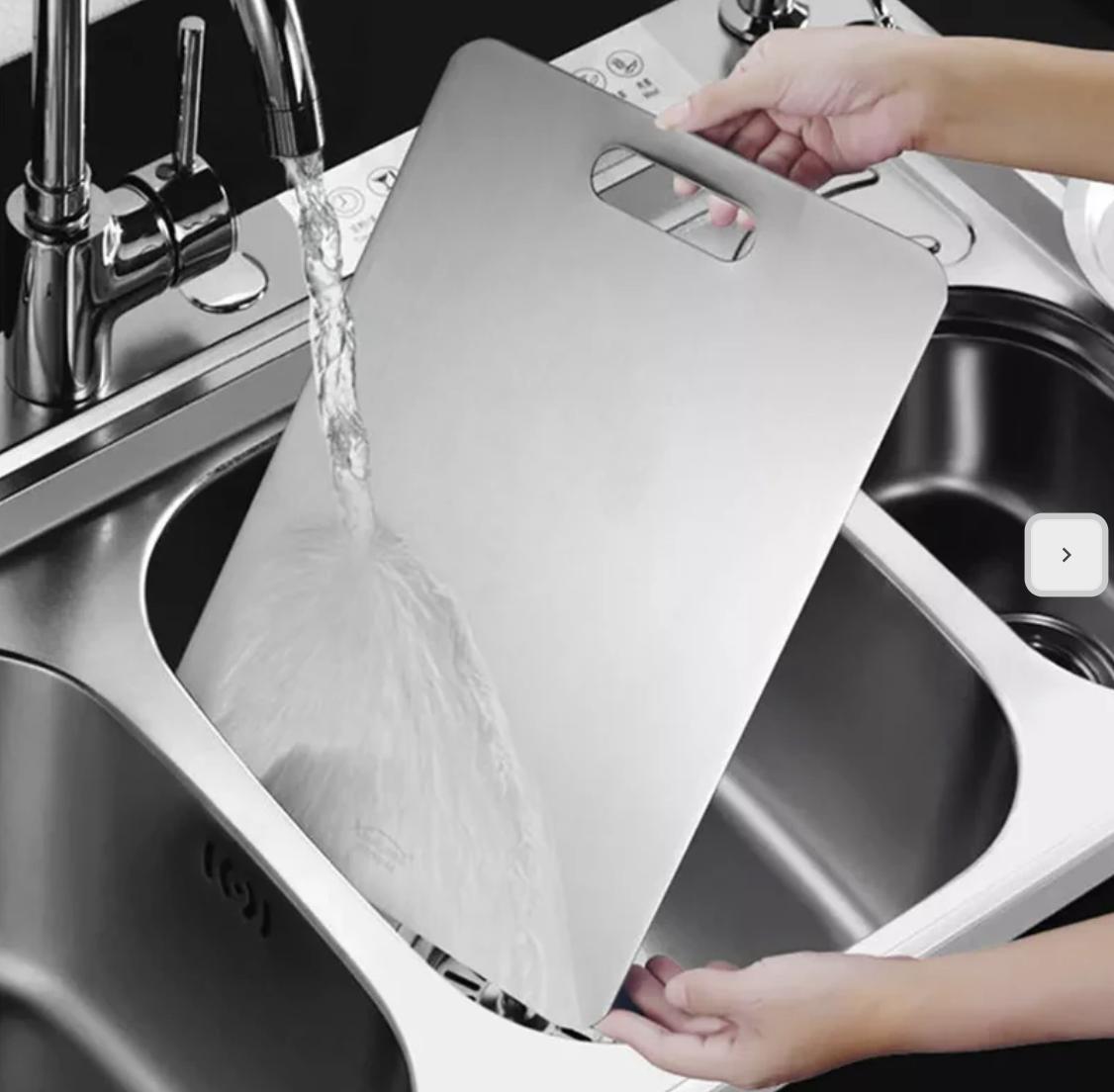
Proper care is essential to preserve a titanium board’s antibacterial properties and lifespan. Clean it regularly with mild soap and water and avoid harsh chemicals. Also, avoid abrasive scrubbers to protect the surface.
Some companies sell complementary wellness products that help care for titanium kitchen tools; these items are designed to support a clean, healthy cooking routine.
What Are the Best Cleaning Practices to Preserve Titanium’s Antibacterial Properties?
To keep titanium’s antibacterial benefits, clean the board after each use with a soft cloth or sponge and mild soap. Rinse well and let it air dry completely. Avoid soaking the board or using harsh detergents, as these can reduce its effectiveness.
How Does Proper Maintenance Extend the Lifespan of Titanium Kitchen Tools?
Routine maintenance preserves titanium’s antibacterial traits and extends the life of your tools. Following cleaning recommendations helps keep the board in optimal condition for years.
Why Is Choosing a Titanium Cutting Board Important for a Healthy Kitchen Lifestyle?
Choosing a titanium cutting board is a practical step toward a healthier kitchen. Its non‑toxic, durable and antibacterial qualities make it well-suited to health-conscious cooks. Investing in quality kitchen tools helps you cook with confidence while supporting wellbeing.
How Do Titanium Cutting Boards Support a Wellness-Focused Culinary Environment?
Titanium cutting boards support a wellness-focused kitchen by keeping prep areas cleaner and resisting bacteria and odours. As awareness of food safety grows, titanium offers a practical option that aligns with those wellness goals.
What Makes Titanium Cutting Boards a Safe and Durable Choice for Health-Conscious Consumers?
For health-conscious consumers, titanium boards are a safe, durable option. Their non‑toxic nature, strong hygiene profile and long life make them a valuable kitchen addition. Choosing titanium lets you feel confident about the tools you use every day.
Frequently Asked Questions
Are titanium cutting boards suitable for all types of food preparation?
Yes. Their non‑porous surface makes titanium suitable for cutting fruits, vegetables, meats and bread. Unlike some wood or plastic boards, titanium won’t absorb odours or flavours, so your food stays fresh. They’re durable enough for heavy use without warping or scratching, making them versatile in most kitchens.
Can titanium cutting boards be used with sharp knives?
Yes. Titanium boards are designed to work with sharp knives and withstand cutting pressure without quickly dulling edges. Unlike some plastics that scratch easily, titanium maintains surface integrity. Still, use proper cutting technique to prolong the life of both your knives and the board.
How do titanium cutting boards compare in cost to other materials?
Titanium cutting boards may have a higher upfront cost compared to typical wood or plastic options due to the material and manufacturing process. However, their durability, antibacterial properties and long lifespan often make them a worthwhile investment over time.
Are there any specific brands known for high-quality titanium cutting boards?
Several brands produce high-quality titanium cutting boards. Kitchenware specialists offer titanium options that emphasise durability and safety. Brands like TitanCut and others focus on non‑toxic, antibacterial tools for health-conscious consumers. It’s a good idea to review customer feedback and product details to find a reliable option.
What should I avoid when using a titanium cutting board?
Avoid harsh chemicals and abrasive cleaning tools, as these can damage the surface and reduce antibacterial properties. Don’t soak the board for long periods, which may cause warping. Also, avoid cutting extremely hard items, like frozen foods, which could cause damage. Following these guidelines helps maintain the board’s integrity and longevity.
Can titanium cutting boards be recycled or disposed of environmentally?
Titanium is recyclable, so these boards can be an environmentally friendly choice. Check with local recycling centres to see if they accept titanium products. If recycling isn’t available, consider repurposing the board as a serving platter or decorative piece to minimise waste while retaining its usefulness.
Conclusion
A titanium cutting board gives you a non‑toxic, durable and antibacterial surface that prioritises food safety. With better hygiene and longer life than many traditional materials, titanium is a strong choice for health-conscious consumers. By choosing high-quality kitchen tools, you support a cleaner, healthier cooking environment. Explore our range of premium titanium kitchenware today to elevate your kitchen experience.