






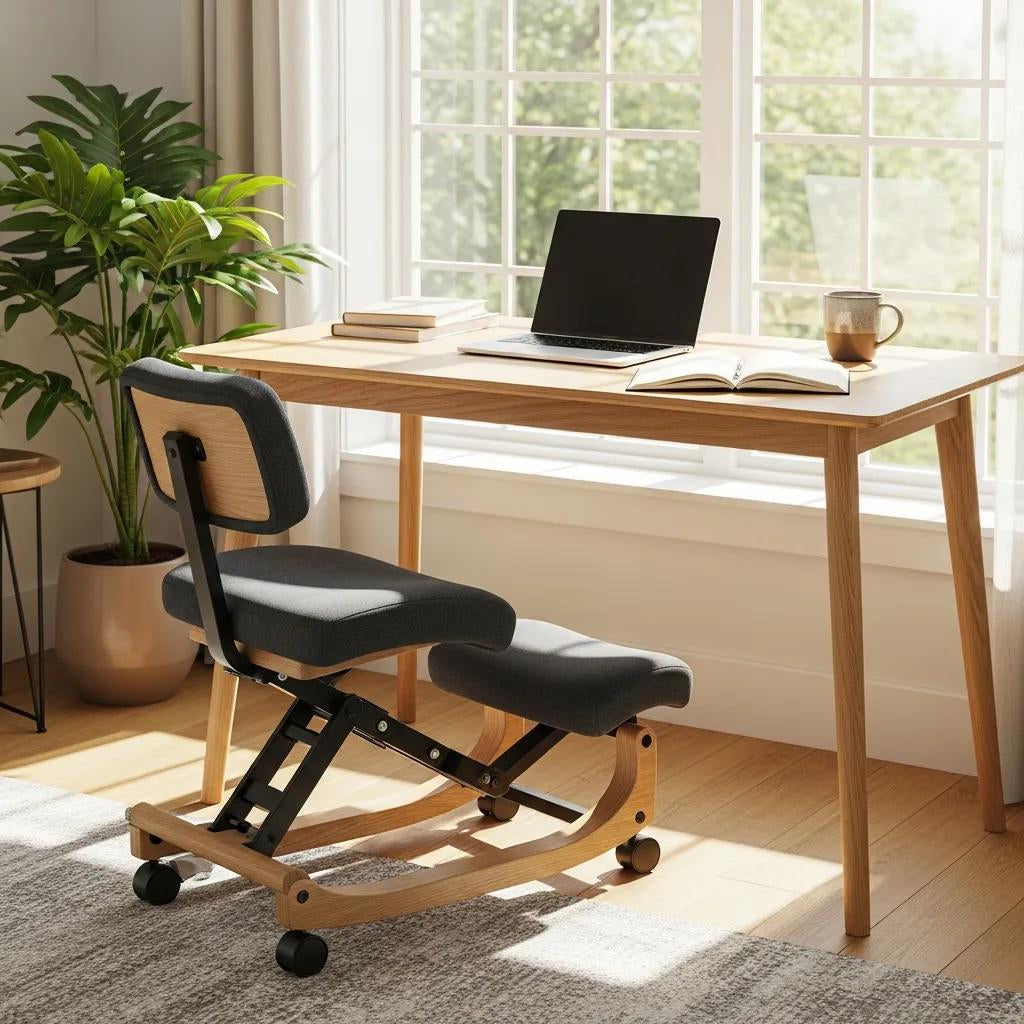
Why choose an ergonomic kneeling chair for comfort: posture, pain relief and everyday wellbeing
What are the key benefits of using an ergonomic kneeling chair?
Kneeling chairs are built to encourage better posture and reduce strain from prolonged sitting. By nudging your pelvis forward and keeping the spine in a more natural curve, you can ease pressure on the lower back and reduce neck tension. For many people who spend long periods at a desk, that translates into less discomfort and a more comfortable workday.
How does a kneeling chair improve posture and spinal alignment?
Kneeling chairs encourage a more upright sitting position that supports the spine’s natural curve. The forward tilt of the seat opens the hip angle, which helps the core engage and reduces compressive load on the lumbar region. Users commonly notice less fatigue and better posture after switching to this style of seating.
In what ways does it alleviate back pain and neck strain?
By shifting weight onto the hips and shins rather than loading the lower back, kneeling chairs distribute pressure more evenly and encourage gentle activation of core muscles. Many people report reduced lower-back pain and less neck tension after adapting to this seating style — particularly when combined with regular movement and good workstation setup.
Which types of ergonomic kneeling chairs best support comfort and active sitting?
There are several kneeling-chair designs on the market, and each balances stability, mobility and comfort differently. Choosing the right format depends on how you work and how much movement you need during the day.
What are the differences between sled-based, X-base, and 5-star base chairs?

The main styles are sled-based, X-base and 5-star base kneeling chairs — each with its own trade-offs.
| Chair Type | Stability | Mobility | Comfort Level |
|---|---|---|---|
| Sled-Based | High | Low | Moderate |
| X-Base | Moderate | Moderate | Moderate to High |
| 5-Star Base | Moderate | High | High |
Sled-based frames give excellent stability for focused, stationary tasks. X-base and 5-star designs add more freedom to move around the desk while still supporting an active sitting posture — useful if your work requires reaching or shifting frequently.
How does chair design influence movement and circulation?
Design features that encourage small, frequent shifts in position — sometimes called active sitting — help maintain circulation and reduce stiffness. Moving more often while seated improves blood flow, reduces muscle fatigue and supports overall comfort throughout the day.
How can you properly use and adjust an ergonomic kneeling chair for maximum comfort?
Getting the full benefit from a kneeling chair comes down to fit and gradual adaptation. Small adjustments to height and pad position make a big difference.
What is the recommended usage duration and adaptation process?
Start slowly when you first switch to a kneeling chair. Try 20–30 minute sessions, then stand, stretch and return. As your body adapts, you can lengthen those periods — many people work up to several hours a day — but listen to your body and take regular breaks to move.
How should you adjust seat height, knee pads, and backrests?
Set the seat so your knees sit slightly lower than your hips to create an open hip angle. Position the knee pads to support your shins without causing pressure points. If your model has a backrest, adjust it to support the lower back while still allowing for natural movement. Small tweaks improve comfort and prevent hotspots.
How does an ergonomic kneeling chair compare to traditional office chairs?
Ergonomic kneeling chairs and conventional office chairs serve different needs. Kneeling chairs excel at posture support and encouraging active sitting, while traditional chairs often offer greater cushioning and mobility for long, static sessions.
What are the advantages and disadvantages of kneeling chairs?
Kneeling chairs offer clear posture benefits and can reduce back pain for many users, but they’re not a one-size-fits-all solution. People with existing knee or joint issues should take care and seek advice before switching full-time.
| Feature | Kneeling Chair | Traditional Chair |
|---|---|---|
| Posture Support | Excellent | Moderate |
| Back Pain Relief | Moderate to High | Variable |
| Mobility | Moderate | High |
| Comfort for Long Hours | Moderate | High |
In short, kneeling chairs are strong on posture and active sitting; traditional chairs tend to be more comfortable for long, stationary periods. Many people find the best results by alternating between the two.
When should you alternate between kneeling and conventional chairs?
Switch chairs every couple of hours or whenever you start to feel stiffness or fatigue. Alternating helps you get the postural benefits of a kneeling chair while still enjoying the deeper support of a conventional seat when you need it.
Why choose Terra Wellness for your ergonomic kneeling chair needs?
Terra Wellness is an Australian wellbeing company focused on simple, practical solutions that support everyday health. We combine thoughtful product choices with clear guidance so you can create a healthier workspace that helps you feel and perform better.
How does Terra Wellness integrate kneeling chairs into holistic health solutions?
We include ergonomic kneeling chairs as part of a wider approach to posture, movement and workplace comfort. Our chairs are selected for durable construction and thoughtful ergonomics, and we offer guidance on setup and gradual adaptation so customers get the best results.
What customer experiences and testimonials support their products?
Many customers tell us they notice reduced back pain and improved posture after switching to a kneeling chair, along with a more comfortable, focused workday. These real-life experiences reflect our commitment to quality and practical wellbeing solutions.
What common questions do users have about ergonomic kneeling chairs?
Below are answers to the questions we hear most often from people considering kneeling chairs.
Are kneeling chairs suitable for long working hours and different body types?
Kneeling chairs can work for extended periods, but comfort varies by body shape and activity. Choose a model with adjustable settings and start gradually to find the right fit for your build and routine.
Do kneeling chairs help with specific conditions like sciatica or lower back pain?
Many users find kneeling chairs helpful for sciatica and lower back pain because they encourage better spinal alignment and reduce pressure on the lumbar region. As always, consult a healthcare professional before making significant changes if you have an existing condition.
Frequently Asked Questions
Can children use ergonomic kneeling chairs?
Yes — when the chair is sized and adjusted for the child. Appropriately sized models can support healthy posture during homework and study, but children should take regular breaks and be monitored for comfort. If you have concerns about posture, seek professional advice.
How do I clean and maintain my ergonomic kneeling chair?
Keep your chair in good condition by wiping surfaces with a damp cloth and using a suitable upholstery cleaner for fabric. Inspect knee pads and the seat for wear and replace parts as needed. Check adjustable mechanisms regularly and lubricate moving parts if they begin to stiffen.
Are there any specific exercises to complement the use of a kneeling chair?
Yes. Strengthening your core (planks, bridges) and stretching hip flexors and the lower back can improve comfort and stability while seated. Regular standing or walking breaks are important to prevent stiffness. For personalised routines, consult a fitness or health professional.
What should I consider when transitioning from a traditional chair to a kneeling chair?
Transition slowly: start with short sessions and increase time as you adapt. Make sure the chair is adjusted correctly and listen to your body — take breaks or alternate chairs if you feel discomfort. Professional advice can be helpful if you have any concerns.
Can ergonomic kneeling chairs be used in collaborative workspaces?
Yes — they suit focused, individual tasks well. For collaborative work that requires frequent movement or group interaction, you may prefer more mobile seating. Offering a variety of chairs allows people to choose what suits their task and comfort.
What are the long-term benefits of using an ergonomic kneeling chair?
Over time, users often report improved posture, reduced back pain and less fatigue from prolonged sitting. Encouraging active sitting can support healthier work habits and reduce the risk of chronic musculoskeletal issues, contributing to better daily well-being.