






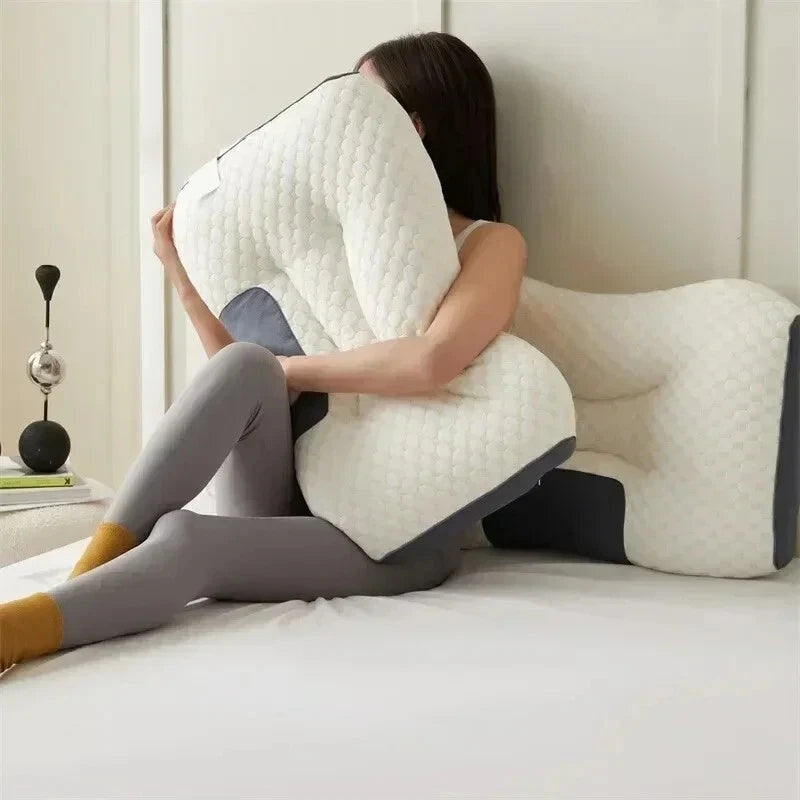
Enhance Sleep with Ergonomic Pillows
Quality sleep supports both physical and mental health. Ergonomic pillows are designed to improve sleep by supporting the neck and reducing snoring. Many people suffer from disrupted sleep and daytime fatigue because their pillow doesn't align the spine properly. Ergonomic designs help correct posture, relieve pressure points and can noticeably improve sleep. Below, we outline how they work, their main features and how they pair with natural sleep methods.
How Do Ergonomic Pillows Improve Sleep Quality and Reduce Snoring?
Ergonomic pillows promote spinal alignment and reduce airway obstruction, which helps minimise snoring. By supporting the neck's natural curve, they keep the airway open and lower sleep disturbances. Users often report better sleep efficiency. The pillow's shape also reduces pressure points and encourages a healthier sleep posture.
What Is the Science Behind Ergonomic Pillows and Snoring Relief?
Ergonomic pillows help keep the head and neck aligned, which prevents airway collapse and improves airflow. Using the right pillow can play a noticeable role in improving sleep quality and reducing snoring.
Advanced pillow designs also offer benefits for those dealing with sleep apnoea and snoring.
How Does Proper Sleep Posture Affect Snoring and Neck Health?
Good sleep posture prevents snoring and protects neck health. Sleeping with a misaligned spine increases throat pressure and the chance of snoring. Ergonomic pillows encourage side or back sleeping to maintain a neutral spine. That alignment reduces snoring risk and eases neck pain, improving overall rest.
What Are the Key Features of Orthopaedic and Anti-Snore Pillows?
Orthopaedic and anti-snore pillows share features that boost their performance: targeted materials, ergonomic shapes and comfort details that match different sleep needs. Knowing these features helps consumers choose the right pillow.
Which Materials and Designs Enhance Neck Support and Comfort?
Materials determine how well a pillow supports the neck. Common options include memory foam, latex and natural fibres, each with distinct benefits. Memory foam moulds to the head and neck for personalised support, while contoured shapes cradle the cervical area to keep the spine aligned through the night.
Ongoing development of specialised latex foams and other materials continues to improve pressure relief and cervical support in pillow design.
How Do Memory Foam and Natural Materials Compare for Sleep Aids?
Memory foam and natural materials both have strengths. Memory foam offers strong support and pressure relief, useful for neck pain. Natural options like organic cotton and wool improve breathability and reduce allergen risk. The right choice depends on your preferences and sleep needs.
Why Are Natural Remedies and Wellness Approaches Important for Sleep Improvement?
Natural remedies and wellness practices can boost sleep quality when used alongside ergonomic pillows. Combining physical support with lifestyle techniques offers a more rounded approach to better rest.
How Do Ergonomic Pillows Integrate with Natural Sleep Enhancement Methods?
Ergonomic pillows work well with aromatherapy and relaxation routines. For example, pairing a supportive pillow with lavender essential oil can create a calm sleep setting. That mix of physical support and sensory relaxation often improves sleep quality.
What Wellness Benefits Do Ergonomic Sleep Products Provide?
Ergonomic sleep products deliver benefits beyond sleep: reduced neck and back pain, improved mood and better daytime alertness. People who choose ergonomic solutions often report higher satisfaction with their overall health and well-being.
How Can Commercial Fit-Out Projects Benefit from Ergonomic Sleep Solutions?
Adding ergonomic sleep solutions to commercial fit-outs can improve employee wellness and productivity. Organisations that invest in staff health via ergonomic products often see better morale and performance.
What Are Examples of Successful Ergonomic Pillow Implementations in Workplaces?
Some companies have added ergonomic pillows to workplace wellness programmes with positive results. For example, a tech firm placed ergonomic pillows in nap rooms and saw higher employee satisfaction and fewer fatigue-related errors. These cases show clear benefits from investing in ergonomic sleep options.
How Do Ergonomic Pillows Support Employee Wellness and Productivity?
Ergonomic pillows support employee wellness by improving sleep quality, which links directly to productivity. Well-rested staff are more focused, creative and efficient. Providing ergonomic sleep solutions helps create a healthier work environment for both body and mind.
What Should You Consider When Choosing the Best Pillow for Snoring and Neck Support?
Choosing the right pillow for snoring and neck support means considering firmness, size and material. Knowing how these factors affect sleep helps you find the best match for your needs.
How to Select the Right Firmness, Size, and Material for Your Needs?
Match the pillow to your sleeping position and comfort needs. Side sleepers often need firmer, higher pillows to fill the gap between their head and shoulder. Back sleepers usually choose medium-firm options that support the neck's curve. Also, pick a pillow size that fits your bed and personal space.
What Are Common FAQs About Ergonomic Pillows for Sleep Quality?
People often ask about material safety, care and how long pillows last. Clear answers on these points help buyers make informed choices about their sleep products.
Ergonomic pillows vary in features to suit different sleep needs.
| Feature | Description | Benefit |
|---|---|---|
| Material | Memory foam, latex, natural fibres | Personalised support and comfort |
| Design | Contoured shapes | Maintains spinal alignment |
| Firmness | Varies from soft to firm | Accommodates different sleeping positions |
This comparison shows why choosing a pillow that matches your preferences and sleep habits is key to getting proper support and a restful night.
Frequently Asked Questions
What are the benefits of using ergonomic pillows for side sleepers?
Ergonomic pillows are particularly beneficial for side sleepers as they help maintain proper spinal alignment. These pillows are designed to fill the gap between the head and shoulders, providing adequate support to the neck and preventing strain. This alignment reduces the risk of waking up with neck or shoulder pain. Additionally, ergonomic pillows can help minimise snoring by keeping the airway open, which is crucial for side sleepers who may experience breathing difficulties during sleep.
How do I know if I need to replace my ergonomic pillow?
It's time to replace your ergonomic pillow if you notice signs of wear, such as lumps, loss of shape, or decreased support. If you wake up with neck or back pain, or if you find yourself tossing and turning at night, these may also indicate that your pillow is no longer providing the necessary support. Generally, high-quality ergonomic pillows can last several years, but regular inspection is essential to ensure they continue to meet your sleep needs effectively.
Can ergonomic pillows help with sleep apnea?
Yes, ergonomic pillows can be beneficial for individuals with sleep apnea. By promoting proper spinal alignment and keeping the airway open, these pillows can help reduce the frequency and severity of apnea episodes. Some ergonomic designs are specifically tailored to elevate the head, which can further enhance airflow and minimise breathing interruptions during sleep. However, it's important to consult with a healthcare professional for comprehensive management of sleep apnea.
What is the ideal sleeping position for using an ergonomic pillow?
The ideal sleeping position for using an ergonomic pillow largely depends on the pillow's design and your personal comfort. Generally, back and side sleeping positions are recommended for optimal use. Back sleepers should choose a medium-firm pillow that supports the natural curve of the neck, while side sleepers benefit from firmer, higher pillows that fill the gap between the head and shoulders. Stomach sleeping is typically discouraged with ergonomic pillows, as it can lead to neck strain.
Are there any specific care instructions for ergonomic pillows?
Yes, proper care is essential for maintaining the longevity and hygiene of ergonomic pillows. Most memory foam and latex pillows should not be soaked; instead, spot clean them with a mild detergent and a damp cloth. Many ergonomic pillows come with removable covers that are machine washable, so check the care label for specific instructions. Regularly airing out your pillow and using a protective cover can also help keep it fresh and extend its lifespan.
How do ergonomic pillows contribute to overall wellness?
Ergonomic pillows contribute to overall wellness by improving sleep quality, which is crucial for physical and mental health. By providing proper neck and spine support, these pillows can reduce pain and discomfort, leading to better rest. Improved sleep quality enhances mood, cognitive function, and daytime alertness. Additionally, ergonomic pillows can help alleviate stress and tension, promoting a more relaxed state, which is beneficial for overall well-being.
Can I use an ergonomic pillow if I have specific health conditions?
Yes, ergonomic pillows can be beneficial for individuals with specific health conditions such as chronic neck pain, migraines, or even certain respiratory issues. These pillows are designed to provide targeted support and alignment, which can alleviate discomfort associated with these conditions. However, it's advisable to consult with a healthcare professional to ensure that the chosen pillow aligns with your specific health needs and to explore any additional treatments that may be necessary.
What factors should I consider when choosing an ergonomic pillow?
When selecting an ergonomic pillow, consider firmness, size, and material. Firmness should match your sleeping position; side sleepers often need firmer pillows, while back sleepers may prefer medium-firm options. The size should fit your bed and personal space. Additionally, the material affects comfort and support; memory foam offers contouring, while natural fibres provide breathability. Evaluating these factors ensures you find a pillow that meets your specific sleep needs and enhances your overall sleep quality.
Are ergonomic pillows suitable for children?
Yes, ergonomic pillows can be suitable for children, but it's essential to choose the right size and firmness for their age and sleeping position. Children's necks and spines are still developing, so a pillow that supports proper alignment is crucial. Look for pillows specifically designed for kids, which are often lower in height and softer. Always consult with a pediatrician if you're unsure about the best options for your child's sleep needs.
How do I know if my ergonomic pillow is the right fit?
To determine if your ergonomic pillow is the right fit, assess your comfort and support levels while lying down. Your head should be aligned with your spine, and you should feel no strain in your neck or shoulders. If you wake up with pain or discomfort, it may indicate that the pillow is not providing adequate support. Additionally, consider your sleeping position; the pillow should fill the gap between your head and shoulders appropriately.
Can ergonomic pillows help reduce allergies?
Yes, ergonomic pillows can help reduce allergies, especially if made from hypoallergenic materials. Many ergonomic pillows are designed with materials that resist dust mites, mould, and other allergens. Natural fibres like organic cotton or bamboo are often breathable and less likely to harbour allergens. If you have allergies, look for pillows with removable, washable covers to maintain cleanliness and reduce allergen exposure, contributing to a healthier sleep environment.
What is the best way to test an ergonomic pillow before buying?
The best way to test an ergonomic pillow is to try it out in-store, if possible. Lie down in your usual sleeping position for at least 10-15 minutes to assess comfort and support. Pay attention to how your neck and spine align. If shopping online, look for retailers with generous return policies, allowing you to test the pillow at home. Reading customer reviews can also provide insights into the pillow's performance and suitability for different sleep styles.
How do ergonomic pillows compare in price to traditional pillows?
Ergonomic pillows typically cost more than traditional pillows due to their specialised design and materials. While traditional pillows may range from $10 to $50, ergonomic options often start around $50 and can go up to $200 or more, depending on the brand and features. Investing in an ergonomic pillow can lead to better sleep quality and health benefits, making it a worthwhile consideration for those struggling with sleep issues or discomfort.
What are the signs that I need an ergonomic pillow?
If you wake with neck or back pain, feel uncomfortable at night or toss and turn, an ergonomic pillow may help. Snoring or breathing difficulty at night can also signal inadequate support. An ergonomic pillow aims to align your spine and support your neck, which can reduce these issues and improve sleep quality.
How long do ergonomic pillows typically last?
Longevity depends on materials and care. Quality memory foam and latex pillows often last several years; natural fibre pillows may need replacing more frequently. Watch for lumps or loss of shape as signs that it's time to replace your pillow to maintain support and comfort.
Are there specific ergonomic pillows for different sleeping positions?
Yes. Pillows come in various shapes and firmness levels for different positions. Side sleepers often need firmer, taller pillows to fill the head-to-shoulder gap. Back sleepers usually prefer medium-firm support for the neck curve. Stomach sleepers benefit from softer, flatter pillows to avoid neck strain. Picking the correct pillow for your position is essential.
How do I clean and maintain my ergonomic pillow?
Care extends pillow life and hygiene. Most memory foam and latex pillows shouldn't be soaked; spot clean them with mild detergent and a damp cloth. Many covers are removable and machine washable—check care labels. Air your pillow regularly and use a protective cover to keep it fresh.
Can I use an ergonomic pillow with other sleep aids?
Yes. Ergonomic pillows work well with other sleep aids like weighted blankets, sleep masks or white noise machines. Combined, these aids create a better sleep environment. For example, a supportive pillow plus a weighted blanket can improve comfort, while a sleep mask blocks light to promote deeper sleep. This holistic approach can enhance overall sleep quality.
Conclusion
Investing in ergonomic pillows can significantly enhance your sleep quality by promoting proper spinal alignment and reducing snoring. These pillows not only alleviate neck and back pain but also contribute to overall wellness and improved daytime alertness. By choosing the right ergonomic pillow tailored to your sleeping position, you can experience a more restful night. Discover our range of ergonomic sleep solutions today to transform your sleep experience.